
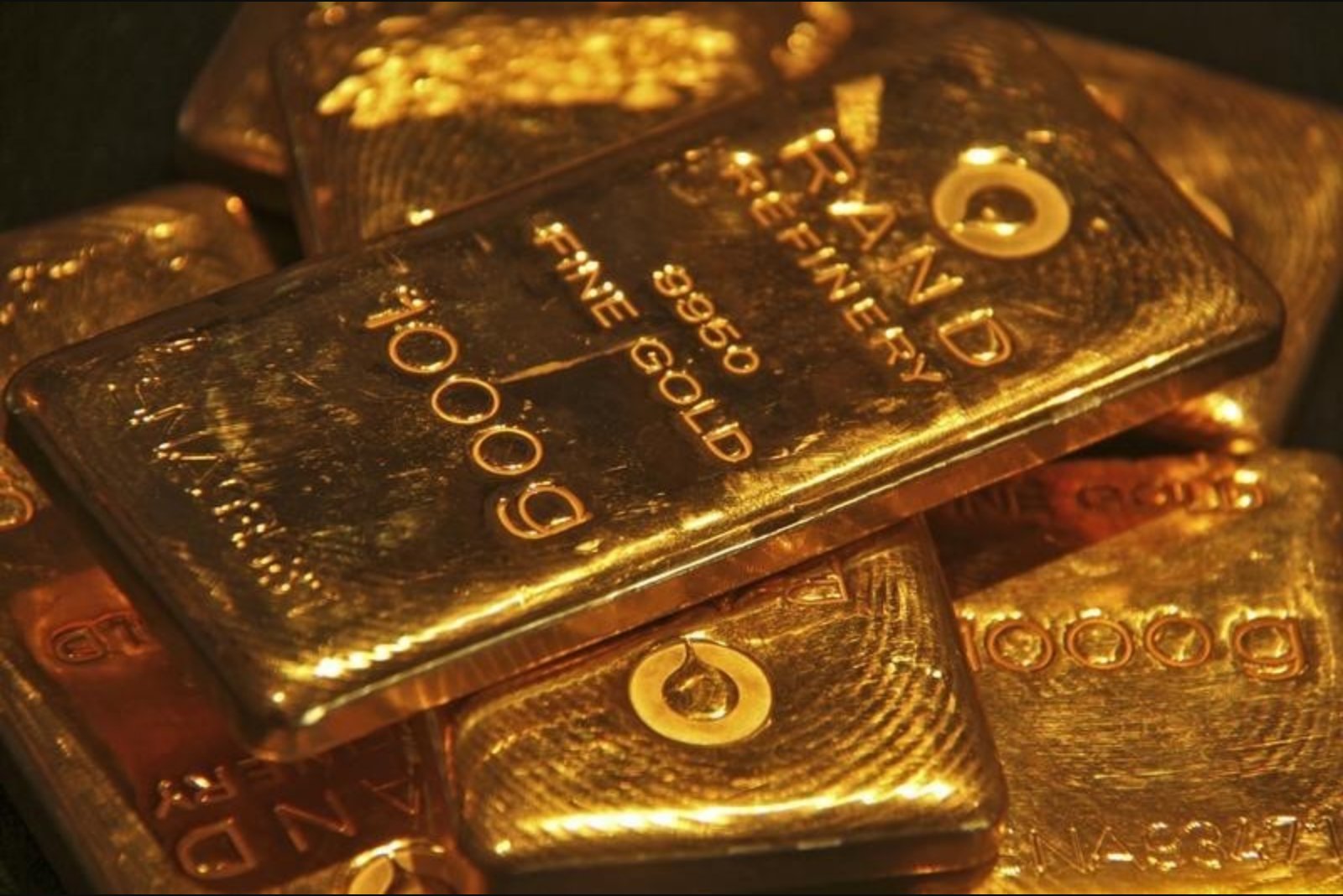
Gold moved higher on Monday as markets reacted to diplomatic developments between the United States and Iran in Switzerland and weighed recent signals from U.S. monetary policymakers.
Market moves and levels - Spot gold rose 0.8% to $4,194.83 an ounce by 22:35 ET (02:35 GMT), while U.S. Gold Futures climbed 0.9% to $4,211.66. The metal was recovering from a 1.4% decline last week and a run of three consecutive sessions of losses.
Diplomatic developments and oil - The price support came after Iranian officials reported progress in talks with the United States. Iran's foreign ministry said "good progress" had been made during quadrilateral talks in Switzerland, and mediators from Qatar and Pakistan said negotiators had agreed on a roadmap toward a broader agreement. Technical discussions are set to continue through the week.
Those signs of diplomatic momentum helped ease fears of a prolonged disruption to global energy flows, which in turn weighed on crude oil prices and relieved some near-term inflation concerns. Brent crude pared earlier gains on Monday after signs of diplomatic progress emerged despite ongoing tensions surrounding the Strait of Hormuz.
Monetary policy and market constraints - Despite the upward move in bullion, further gains were constrained by expectations that U.S. interest rates could remain elevated. Markets are still processing last week's Federal Reserve meeting, where policymakers maintained a hawkish bias and left the possibility of further rate increases on the table amid persistent inflation risks.
Analysts at ING noted that "While geopolitical risks should continue to provide underlying support, a higher-for-longer US rate environment may limit near-term upside." The U.S. Dollar Index also held firm near a 13-month high reached last week, which can act as a headwind for dollar-priced commodities such as gold.
Upcoming data and other precious metals - Investors are looking ahead to a key reading of the U.S. Personal Consumption Expenditures (PCE) price index later this week for further clues on the likely path of monetary policy. Among other precious metals, silver rose 1.6% to $66.03 per ounce, while platinum gained 0.3% to $1,671.60/oz.
The combination of easing geopolitical risk premiums on energy and the continued prospect of higher U.S. rates helps explain the market's cautious tone. For now, diplomatic progress has provided near-term support for bullion, but the trajectory of U.S. interest rates and upcoming inflation data remain central to how much further gold can rally.