
Commodities August 25, 2026 04:07 AM

European gas stalls near five-month highs as U.S. Iran sanctions fail to tighten supply

Market momentum eases after Washington’s ‘economic D-Day’ yields familiar restrictions rather than new maritime interdictions

By Avery Klein
Share
Twitter Reddit Facebook LinkedIn

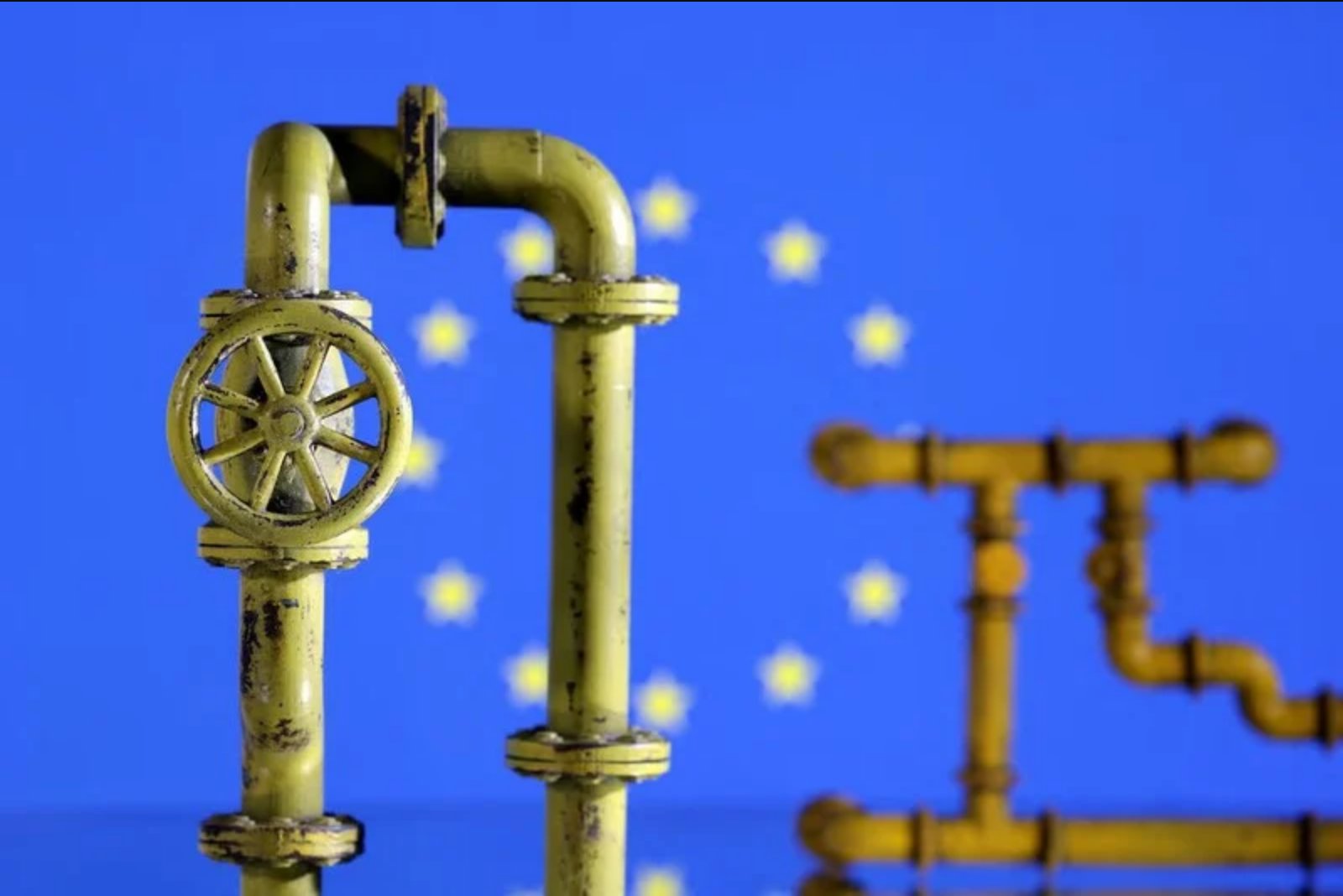
European natural gas prices paused near their highest levels in five months after a sharp weekly rally, as a new U.S. sanctions package on Iran did not produce immediate supply disruptions. Traders reassessed risk following a crude oil pullback and confirmation that the measures largely reaffirmed existing restrictions rather than introducing new vessel seizures or maritime blockades. Underlying supply vulnerability persists ahead of the autumn heating season, with EU storage just over 60% full and seasonal replenishment hindered by strong summer power demand and stranded Qatari LNG cargoes.

European gas stalls near five-month highs as U.S. Iran sanctions fail to tighten supply
Summarize with
ChatGPT Perplexity Claude Grok Gemini

Key Points

  • European front-month Dutch and comparable British natural gas contracts held near five-month highs after an aggressive 7% weekly surge.
  • U.S. sanctions labeled an "economic D-Day" largely reinforced existing restrictions on Iranian shipping and technology, rather than creating new maritime interdictions or immediate vessel seizures.
  • EU underground gas storage stands at just over 60% of capacity, with replenishment hampered by higher summer power demand and stranded Qatari LNG shipments.

European wholesale natural gas benchmarks traded largely unchanged on Tuesday, consolidating close to five-month peaks after a multi-week advance that pushed regional hubs to levels not seen since mid-March.

Front-month Dutch futures and comparable British wholesale contracts were virtually flat on the day, following an aggressive 7% gain over the prior week.

The calmer price action came as markets digested Washington’s latest sanctions package on Tehran. The Trump administration framed the measures as an "economic D-Day," but traders said the announcement did not trigger the immediate supply shocks some had feared.

Market participants had entered the week braced for potential bottlenecks after U.S. officials warned of secondary sanctions aimed at trade partners that might continue to support Tehran. Rather than introducing new maritime interdictions or immediate vessel seizures in the Persian Gulf, the announced steps primarily reinforced existing restrictions on Iranian shipping and technology.

That distinction helped sap some of the urgency from the recent rally. Crude markets also reversed earlier gains overnight, with Brent crude giving back advances to trade near $91.50 a barrel. The pullback in oil reduced the prospect of a rapidly compounding cost-push across global energy hubs, easing short-term pressure on gas markets.

Still, traders and analysts note that the physical transit drag through the Strait of Hormuz remains unresolved - a factor that continues to underpin a persistent risk floor beneath European gas benchmarks.


Supply fundamentals remain fragile

Despite the flat session, the broader supply picture for Europe is fragile ahead of the autumn heating season. Data from Gas Infrastructure Europe shows underground gas storage caverns across the European Union are holding at just over 60% of total capacity. That level leaves limited buffer should demand spike or further logistical issues arise.

Two factors have further impaired seasonal replenishment: elevated summer power demand for air conditioning and stranded Qatari LNG shipments. Together, those pressures have made it harder to rebuild inventories as the market moves toward winter.


In short, Tuesday’s pause in natural gas momentum reflected a market recalibrating to policy details and a softer crude complex, but it did not eliminate the structural vulnerabilities in Europe’s gas supply ahead of the colder months.

Risks

  • Physical transit friction through the Strait of Hormuz remains unresolved, posing a continued supply-risk premium for European wholesale gas and broader energy markets.
  • Low ahead-of-season storage levels and impaired seasonal replenishment increase vulnerability for European utilities and households entering the autumn heating season.
  • Potential second-order market responses if crude oil resumes an upward trajectory could reintroduce cost-push pressures across energy-intensive sectors.

More from Commodities

Sinopec’s New Leadership Pushes a Strategic Reset as Fuel Demand Ebbs Aug 25, 2026 Nearly Half of Global Oil Supply Originates in Conflict-Affected Countries in 2026 Aug 25, 2026 Oil Edges Up as Markets Weigh Impact of New U.S. Sanctions on Iran Aug 24, 2026 Treasury Confirms Regular Auctions While Expanding Long-Term Bond Buybacks, Bessent Says Aug 24, 2026 Ethanol RIN Values Dive as EPA Moves Back Compliance Deadline and Flags SRE Decisions Aug 24, 2026