
European and British wholesale natural gas prices moved higher on Thursday, marking a firm start to October and the fourth quarter. Market participants pointed to a combination of persistent geopolitical friction in the Middle East and ongoing concerns about winter supplies as the main factors underpinning regional energy hubs.
Price moves
The benchmark Dutch front-month contract increased 1.0% to 73.10 euros per megawatt-hour (MWh), holding near multi-week highs. In Great Britain, the day-ahead wholesale gas contract rose 0.7% to 184.00 pence per therm, a similar modest advance.
Seasonal demand and storage
The uptick in prices coincides with the continent formally entering the winter heating season - the period when space heating demand typically begins to reduce stored inventories.
Data from Gas Infrastructure Europe show underground storage caverns across the European Union are roughly 12 percentage points below inventory levels recorded during the same period last year. That deficit reduces Europe’s buffer against unexpected demand spikes and leaves the region more exposed to supply shocks.
LNG competition and shipping pressures
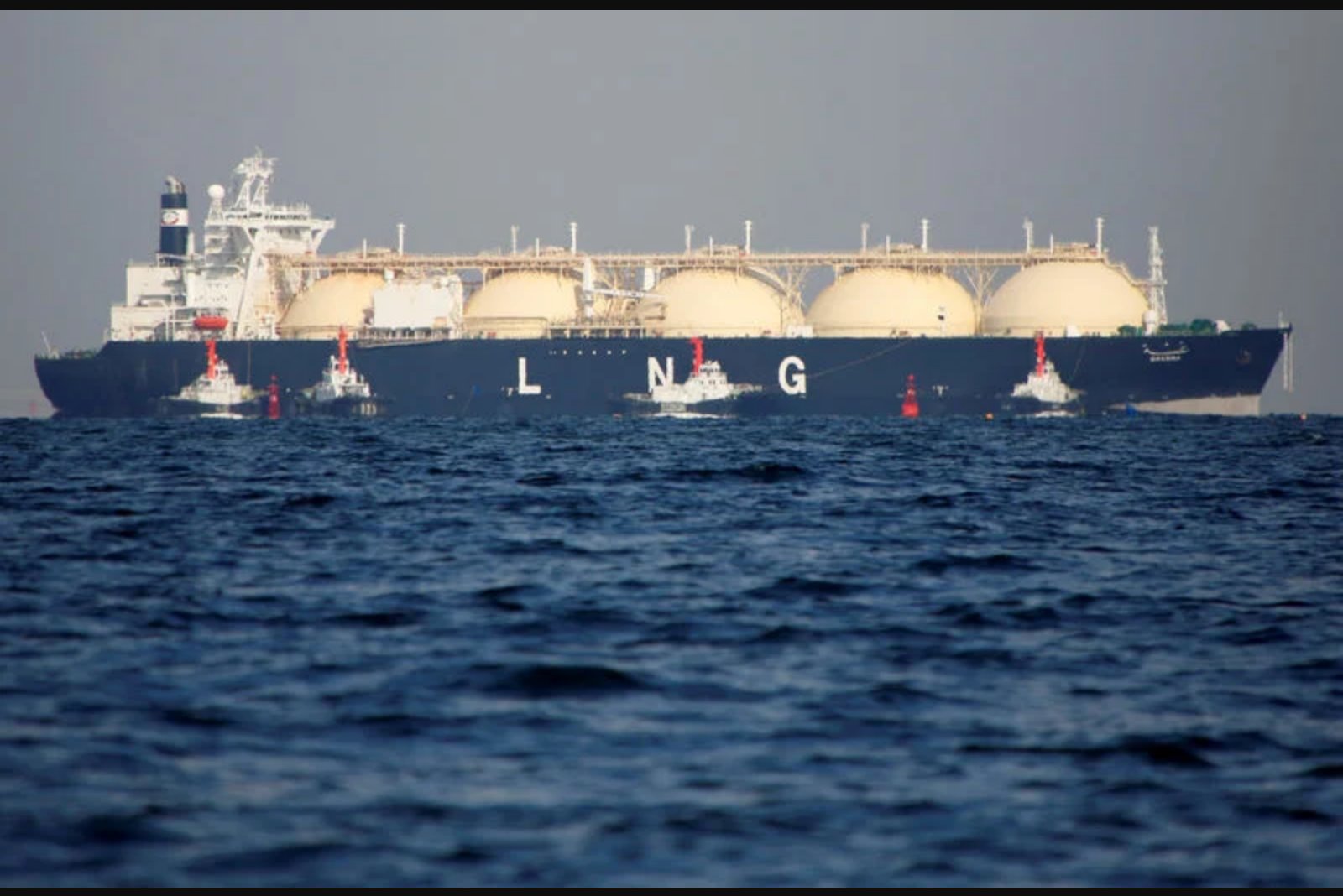
Competition for flexible seaborne liquefied natural gas (LNG) cargoes remains intense. Elevated Asian spot prices are competing directly with European terminals to secure winter deliveries, tightening available flexible supply for the region.
Geopolitical risk and oil market linkages
Underlying the sustained floor under European gas prices is an ongoing geopolitical impasse in the Middle East. Stalled peace talks between Washington and Tehran and continuing tensions over the Strait of Hormuz have kept Brent crude oil elevated, which in turn maintains upward pressure across the broader energy complex.
Analysts noted that with global shipping routes subject to transit friction, an unexpected early cold snap across Western Europe could force rapid inventory drawdowns and prompt a fresh rally across long-dated gas curves.
Implications
The combination of below-average storage, robust LNG competition, and Middle East-related shipping risks is keeping regional gas markets on edge as the heating season begins.