
Commodities June 11, 2026 05:04 AM

European Gas Markets Hold at 50 Euros as U.S.-Iran Airstrikes Continue

Traders weigh supply risks from Persian Gulf disruption while ECB prepares for a rate increase that could dent industrial demand

By Nina Shah
Share
Twitter Reddit Facebook LinkedIn

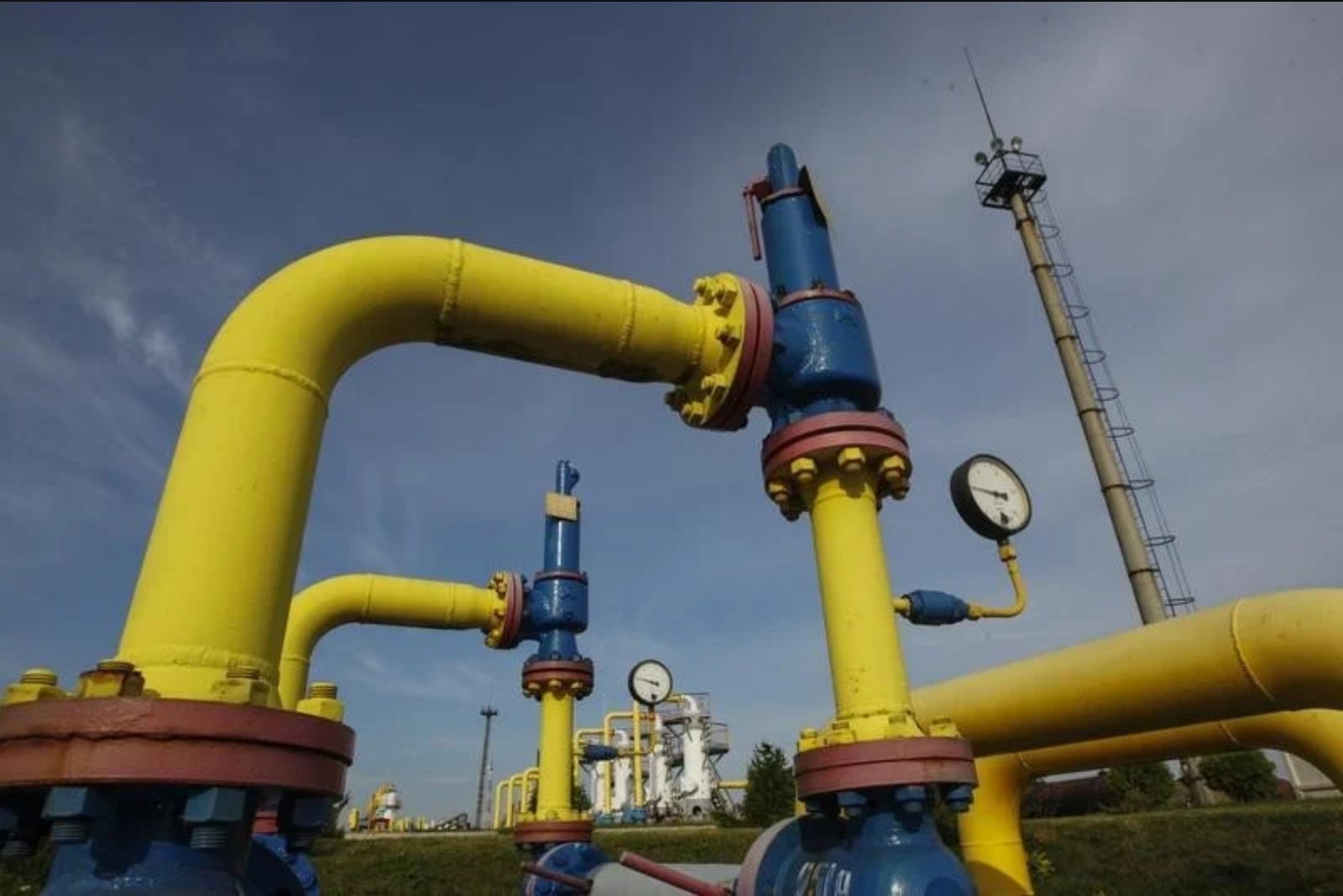
Dutch TTF natural gas futures remained anchored at 50 euros per MWh as the U.S.-Iran conflict entered a second day with little progress toward de-escalation. British futures were flat at 121 pence per therm. Markets are balancing the prospect of disrupted shipments through the Strait of Hormuz, strained LNG competition as Europe replenishes storage roughly 43% full, and a likely 25 basis-point European Central Bank rate rise that could cool industrial gas use amid an already contracting eurozone.

European Gas Markets Hold at 50 Euros as U.S.-Iran Airstrikes Continue
Summarize with
ChatGPT Perplexity Claude Grok Gemini

Key Points

  • Dutch TTF natural gas futures were unchanged at 50 euros per MWh, with British futures flat at 121 pence per therm - energy sector directly impacted.
  • Blockades in the Strait of Hormuz raise the risk of constrained seaborne supplies and heightened competition for LNG cargoes - affecting global LNG markets and European energy security.
  • An anticipated 25 basis-point ECB rate hike aims to control inflation but could suppress industrial gas demand and weigh on the eurozone economy - impacting industrials and macroeconomic activity.

European natural gas benchmarks showed little movement on Thursday as the confrontation between the United States and Iran stretched into a second day, and market participants continued to evaluate the implications for global energy flows. Traders reported Dutch front-month contracts unchanged at the symbolic 50 euro level.

Data from the Intercontinental Exchange indicated the benchmark ICE Dutch TTF Natural Gas Futures was steady at 50 euros per megawatt hour (MWh). In the U.K., British Natural Gas Futures were also showing no net change, quoted at 121 pence per therm.

Market commentary has emphasized that Europe’s shift away from Russian pipeline supplies in favor of delivering more liquefied natural gas has exchanged one geopolitical exposure for another. The trading narrative notes that the Strait of Hormuz has been largely constrained by blockades, creating a potential chokepoint for seaborne flows.

Observers warn that if hostilities persist, a prolonged conflict could trigger intense competition for alternative LNG cargoes this summer, at the exact moment when European countries need to rebuild their storage levels. Those storage reserves are currently about 43% full, according to Reuters, leaving limited headroom as the continent prepares for higher seasonal demand.

Compounding the supply-side stress is a monetary policy backdrop in which the European Central Bank is widely expected to implement a 25 basis-point interest-rate increase later in the day. That move is intended to restrain inflationary pressures that have been amplified by war-related energy price moves. At the same time, analysts caution that a rate rise risks reducing industrial gas consumption and could deepen an ongoing contraction in the eurozone economy, potentially worsening conditions into the winter.

For now, the market reaction remains contained, with both Dutch and British futures largely flat as participants balance geopolitical risk to supply against the demand-side effects of tighter monetary policy.


Context and market signals

  • Benchmarks: ICE Dutch TTF Natural Gas Futures at 50 euros per MWh; British Natural Gas Futures at 121 pence per therm.
  • Supply pressures: Strait of Hormuz blockades have materially constrained key shipping routes.
  • Storage: European reserves are roughly 43% full, creating vulnerability if competing bids for LNG intensify.
  • Monetary policy: ECB poised to raise rates by 25 basis points, a move intended to curb inflation but with potential downside for industrial demand.

Risks

  • Prolonged U.S.-Iran hostilities could sustain or worsen disruptions to maritime energy routes, increasing pressure on LNG supplies and pricing - risk to energy markets and import-dependent economies.
  • Low European storage levels, roughly 43% full, leave little margin to absorb a surge in demand or diverted cargoes, raising the chance of tighter markets - operational risk for utilities and energy traders.
  • A 25 basis-point ECB rate increase intended to curb inflation may reduce industrial gas consumption and risk deepening a contraction in the eurozone economy - economic and industrial sector risk.

More from Commodities

Trump Conditions U.S.-Saudi Civil Nuclear Deal on Riyadh Joining Abraham Accords Jul 24, 2026 Barclays Flags Higher Upside to 2026 Brent If Strait of Hormuz Standstill Persists Jul 24, 2026 Open-ended Kyiv Protests Demand Reinstatement of Ousted Defence Minister Amid Political Turmoil Jul 24, 2026 U.S. Rig Count Slips for First Time in Six Weeks, Oil Rigs Lead Drop Jul 24, 2026 Euronext Wheat Sinks After Kyiv Denies Talks on Black Sea Export Workarounds Jul 24, 2026