
Commodities June 29, 2026 04:17 AM

European gas edges higher as Middle East flare-up raises shipping concerns

Front-month Dutch and UK contracts climb on Strait of Hormuz tensions and hotter summer forecasts

By Leila Farooq
Share
Twitter Reddit Facebook LinkedIn

European wholesale natural gas prices rose over 1% on Monday, reflecting renewed geopolitical tensions in the Middle East and forecasts for hotter-than-normal summer weather in southern Europe that may bolster gas-fired power demand. The Dutch front-month contract gained 1.6% to 41.38 euros per megawatt-hour, while the British contract rose 1.6% to 99.29 pence per therm. Market participants cited weekend military friction between the United States and Iran in the Strait of Hormuz and an ensuing pause in strikes ahead of technical talks in Doha as drivers of short-term supply-risk concerns.

European gas edges higher as Middle East flare-up raises shipping concerns
Summarize with
ChatGPT Perplexity Claude Grok Gemini

Key Points

  • Dutch front-month gas contract rose 1.6% to 41.38 euros per megawatt-hour; UK contract gained 1.6% to 99.29 pence per therm.
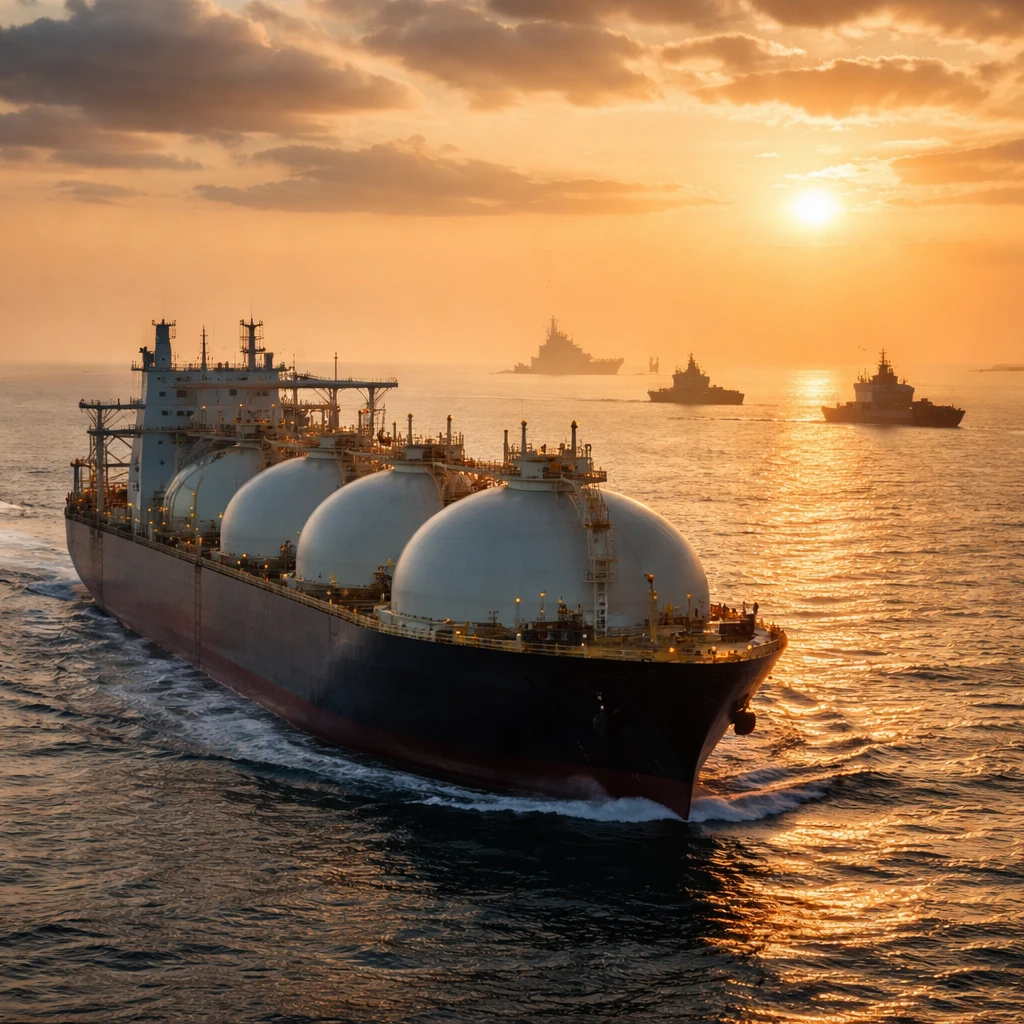
  • Weekend military friction between the United States and Iran in the Strait of Hormuz elevated concerns about possible disruptions to LNG shipping corridors.
  • Higher-than-average summer temperature projections for southern Europe may increase gas-fired power generation to meet air-conditioning demand, tightening spot availability.

European wholesale natural gas prices moved higher on Monday morning, with benchmark contracts in the Netherlands and the United Kingdom each advancing about 1.6% as traders digested renewed supply-risk concerns tied to recent events in the Middle East.

The Dutch front-month contract rose 1.6% to 41.38 euros per megawatt-hour. In the UK, the British contract also gained 1.6%, trading at 99.29 pence per therm. The uptick in prices followed military friction over the weekend between the United States and Iran in the Strait of Hormuz, a critical shipping chokepoint for global energy flows.

Although both countries tentatively agreed to pause tit-for-tat strikes ahead of technical talks scheduled in Doha on Tuesday, market participants reacted to the possibility of broader disruptions to liquefied natural gas shipping corridors. The threat of traffic delays in and around the Strait of Hormuz prompted a rapid response from energy traders, who priced in a geopolitical premium to account for supply-route risk.


Storage and weather factors

The upward pressure from geopolitical developments arrived against a backdrop of structural factors that had restrained prices in recent sessions. European gas storages remain stocked, which has helped cap more extreme price moves. At the same time, updated weather models showing prospects for higher-than-average summer temperatures across southern Europe have added to near-term demand concerns.

Warmer conditions in the south are expected to increase use of gas-fired generation to meet air-conditioning load, tightening spot availability as utilities and grid operators lean on flexible gas output during heat spells.


Macro context and market watch

Traders are also monitoring broader economic indicators. There is concern that rising energy costs could stoke inflationary pressures, an issue that market participants are watching closely ahead of several key data points due later in the week. Those include U.S. non-farm payrolls and a speech by European Central Bank President Christine Lagarde, events that could influence near-term expectations for global interest rates and in turn feed back into commodity and energy price dynamics.

For now, the market balance reflects an interplay between geopolitically driven supply-route risk, ample storage buffers in Europe, and weather-driven demand prospects for the coming summer months.

Risks

  • Potential interruptions or delays in LNG shipping through the Strait of Hormuz could tighten global supply routes and support further price gains - this primarily affects energy and shipping sectors.
  • Hotter-than-normal summer weather in southern Europe may raise demand for gas-fired electricity generation, pressuring spot markets and power producers.
  • Rising energy costs could add to inflationary pressures ahead of key macro data releases and central bank commentary, which may influence financial markets and commodity price expectations.

More from Commodities

New York Opens $30 Million Tariff Relief Program for State Farmers Jun 29, 2026 Silver Remains in Strong Downtrend, Trading Near $58.45 on 4-Hour Chart Jun 29, 2026 Gold Stalled Between $4,050 Support and $4,165 Resistance as Short-Term Bounce Tests the Trend Jun 29, 2026 Gold Retreats as Renewed U.S.-Iran Strikes and Rate Concerns Weigh Jun 28, 2026 Oil ticks up after U.S.-Iran skirmishes; focus turns to Qatar talks Jun 28, 2026