
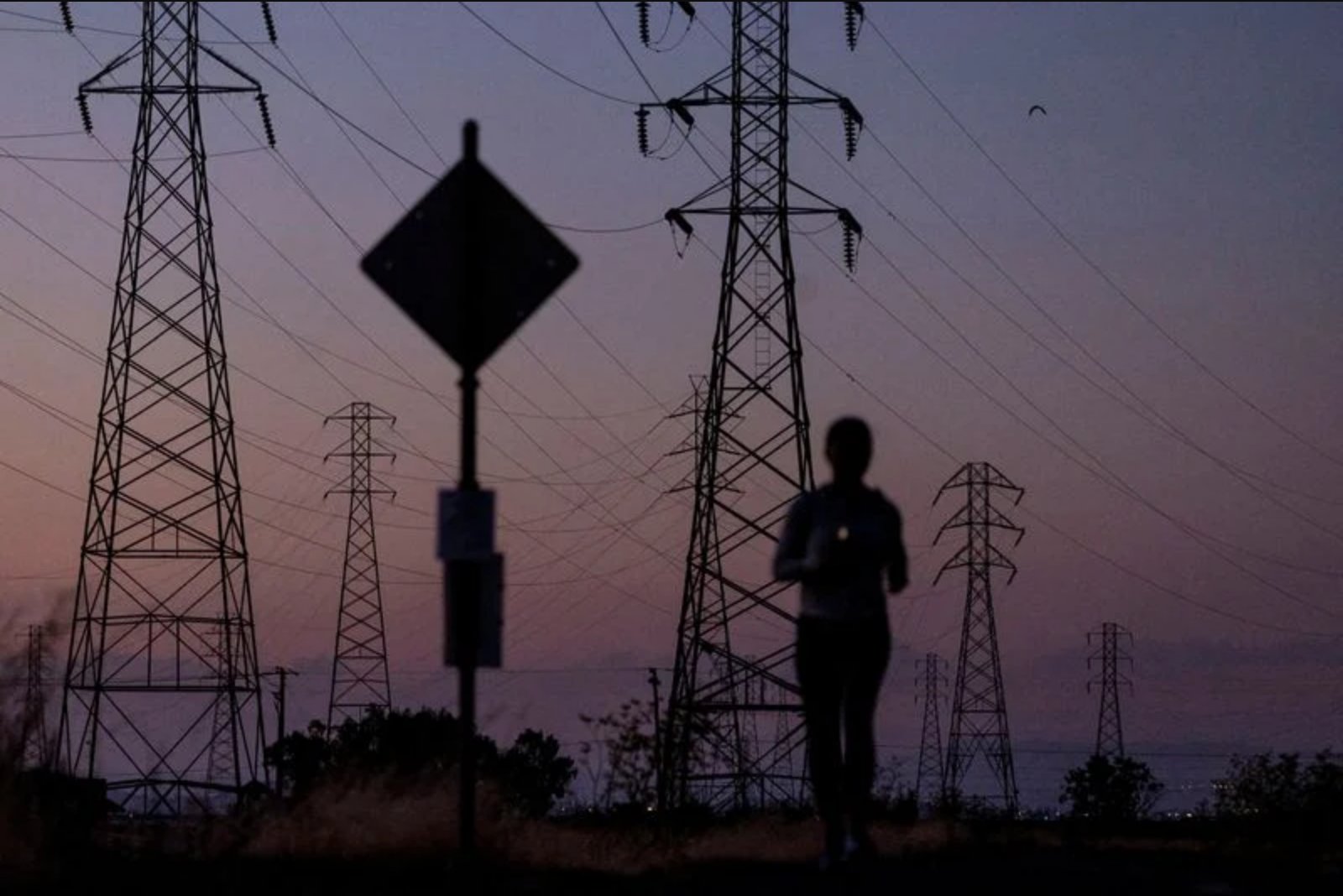
Widespread heat is putting substantial pressure on large U.S. power systems and raising the prospect of rolling blackouts as millions of customers across the Midwest and Mid-Atlantic draw heavy air-conditioning load.
The U.S. Department of Energy has warned that blackout risks could rise on Wednesday as elevated temperatures test electricity supplies. The DOE specifically highlighted vulnerabilities in the PJM Interconnection, the nation’s largest regional transmission organization, which provides power to about 67 million people across a service area stretching from Washington D.C. to Chicago.
Late on Tuesday night, DOE Secretary Chris Wright authorized PJM to direct backup generation resources to run as a last-resort step prior to declaring a level 3 energy emergency alert - a designation that can precede the deployment of rotating blackouts. The DOE framed the authorization as part of an effort "to stabilize the Mid-Atlantic grid and mitigate the risk of blackouts." In a prepared statement, Wright added: "Maintaining affordable, reliable, and secure power for hardworking American families and businesses during periods of hot weather is non-negotiable."
Operators in the region have already taken preemptive steps. PJM issued a "maximum generation emergency" alert earlier on Wednesday that directed generators on scheduled outages to report how quickly they could return units to service. The notice was intended to identify additional capacity that could be brought online if demand or outages warranted it.
Across the Midwest and parts of the South, the Midcontinent Independent System Operator (MISO) is facing similar strain. MISO predicted that peak demand on Wednesday would climb to about 121 gigawatts, a level that approaches the operator’s historical high of 127.1 GW. In response to tight system conditions, MISO increased its normal reserve margin to provide a larger buffer against unplanned plant outages and transmission line congestion.
Local utilities have also issued consumer guidance as heat persists. In the Ozark area of rural Missouri, the Howell-Oregon Electric Cooperative asked customers to unplug unused chargers and appliances and to consider raising thermostats to reduce air-conditioning use during the peak demand period. Those measures are intended to shave localized load and ease pressure on distribution systems.
Forecasters called for peak-day temperatures above 90 degrees Fahrenheit in several major population centers, including Chicago, St. Louis and Washington D.C., conditions that typically drive elevated electricity consumption during late afternoon and early evening hours.
Grid operators’ actions - from directing generators on outage to increasing reserve requirements - are aimed at preserving system reliability while avoiding involuntary service interruptions. Still, the coordinated steps reflect how sustained hot weather can compress operating margins across multiple regional systems simultaneously.
Context and implications
With PJM serving tens of millions of customers and MISO forecasting near-record demand, system operators and local cooperatives have moved from monitoring to active mitigation. The combination of emergency-authorized backup generation and elevated reserve requirements demonstrates the multi-layered approach grid managers use to manage extreme demand events.