
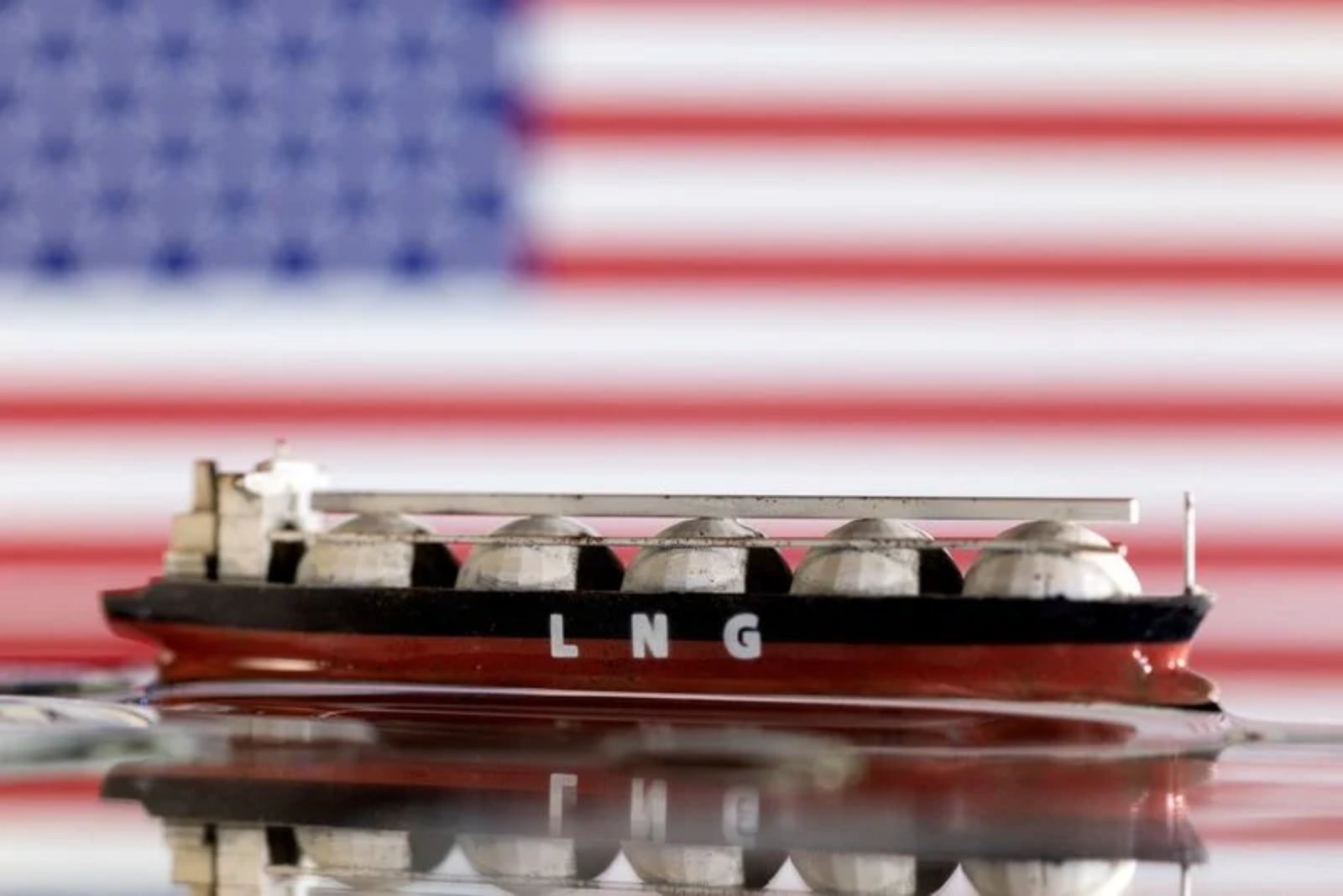
President Donald Trump may announce as soon as Wednesday a plan to use South Korea's pledged strategic investment package of about $54 billion to back the Alaska LNG project, part of a wider slate of economic initiatives in the run-up to November's midterm elections.
What is the Alaska LNG project?
The Alaska LNG undertaking is a proposed development estimated to cost between $44.5 billion and $54.5 billion. It is designed to carry natural gas from the North Slope across Alaska via a pipeline to serve domestic customers and to supply an export liquefaction facility in the southern port of Nikiski.
The developer structure gives Glenfarne Group a 75% stake while the state of Alaska would own the remaining 25%. The plan calls for building a pipeline stretching more than 800 miles - nearly 1,300 km - from the North Slope to Nikiski.
Project milestones outlined by proponents include a final investment decision (FID) on the pipeline in 2026 and a separate FID for the export facility in 2027, with the first LNG shipments anticipated in 2031. Those dates represent a later timetable than earlier targets, as the pipeline FID had earlier been aimed for late 2025. Glenfarne missed its earlier target for signing LNG agreements, a delay that pushed the schedule back. Observers note that schedule slippages are common in large-scale LNG projects.
Who is the project targeting?
The export terminal's location in southern Alaska is intended to shorten voyage times to east Asian markets compared with shipments leaving from the U.S. Gulf Coast, making the project attractive for countries in that region.
To date, the project has secured arrangements covering 13 million metric tons per year from buyers in Japan, South Korea, Taiwan and Thailand, as well as from French major TotalEnergies. The development seeks an additional 3 million tons of commitments and must convert those arrangements into binding contracts to underpin project financing.
Industry interest in diversified LNG supply sources has grown since the US-Israeli war against Iran cut off Gulf shipments, but market reaction to Alaska LNG has been cautious rather than enthusiastic.
Why is Alaska LNG receiving renewed attention now?
Although the concept has been discussed for decades, the project has received renewed emphasis under the Trump administration. The president has promoted Alaska LNG as a vehicle to bolster national security and deepen trade ties with allied nations.
Last year, Trump accompanied leaders from the state-run Alaska Gasline Development Corporation and Glenfarne Group on visits to prospective Asian customers in Taiwan, Japan, South Korea and Thailand to solicit investor interest. With midterm elections approaching, the administration is pressing to expand U.S. energy exports and to attract investment from partner countries.
Why do doubts persist?
Despite political support, many in the LNG sector question whether Alaska LNG is commercially viable. The project would be a 20-million-ton-per-year greenfield development that depends on constructing a very long pipeline - attributes that raise its perceived risk profile, especially given Glenfarne's relative inexperience as a developer.
Capital needs are large. The pipeline component alone is estimated to cost between $13.2 billion and $16.9 billion, and observers cite cost overruns as a tangible risk. Escalating project costs could translate into higher delivered LNG prices for buyers, weakening the competitiveness of Alaska-origin supply.
Alaska LNG will also compete against lower-cost U.S. Gulf Coast export projects and against Canadian projects that are explicitly seeking Asian markets. While Canada's LNG sector is comparatively new, many buyers regard it as an appealing alternative because of perceived political stability.
Commercial support for Alaska LNG remains a question mark. Most of the supply arrangements announced to date are non-binding, prompting some industry participants to view those commitments as political gestures that support the administration's push for the project rather than as firm purchase agreements.
What remains required for the project to advance?
Key near-term requirements include converting the outstanding 3 million tonnes per year of needed offtake into binding contracts and securing financing to cover the sizeable capital expenditures. The project's ability to lock in firm buyers and to control construction costs will be central to whether it reaches the planned FIDs in 2026 and 2027 and achieves first exports in 2031.