
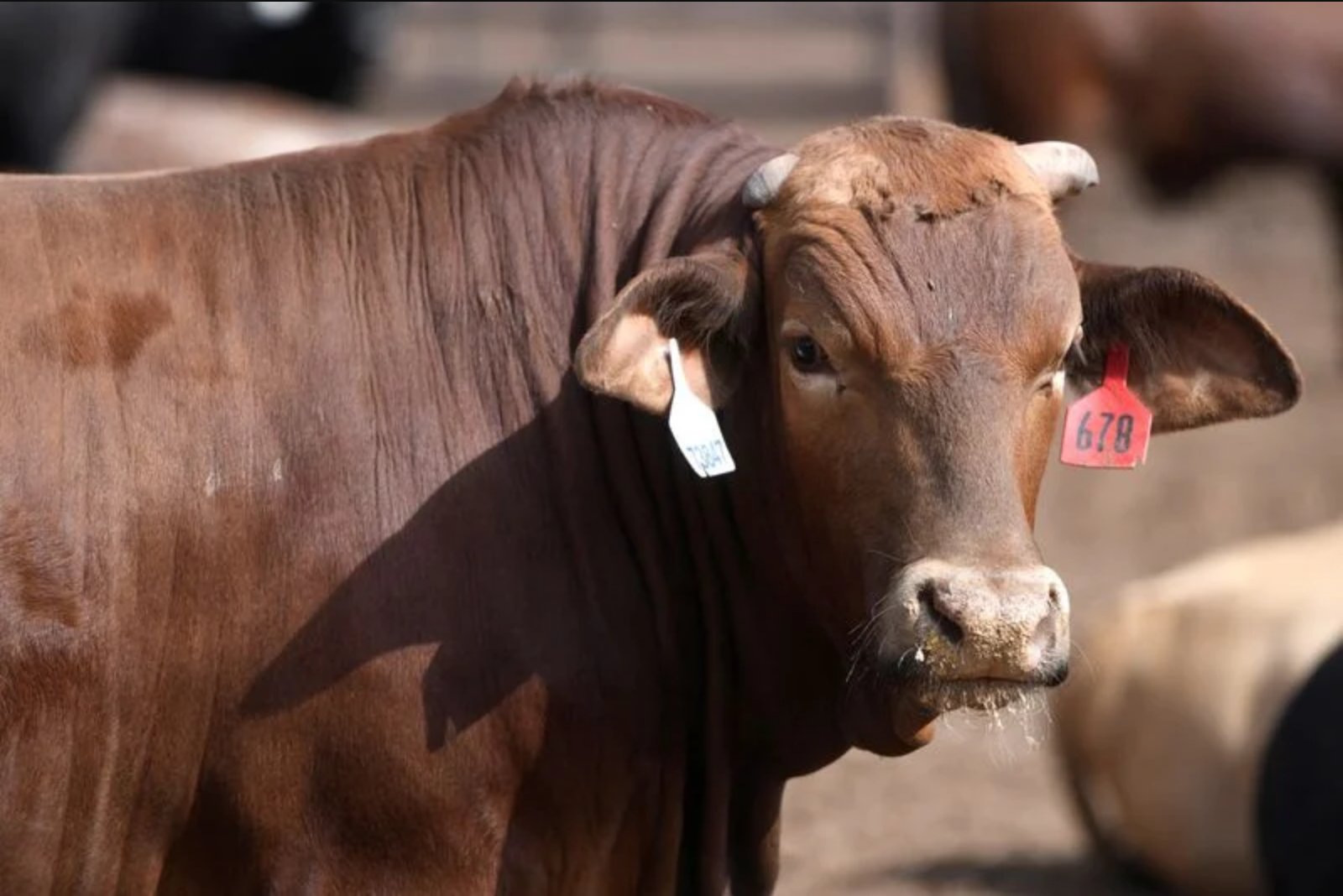
President Donald Trump signed a proclamation on Wednesday to temporarily permit a larger volume of lean beef trimmings to enter the United States without incurring above-quota tariffs, the White House said.
The proclamation says the change is intended to address beef prices that have "increased unreasonably" for U.S. consumers. It specifies that the quantity of trimmings eligible for import without an above-quota tariff will be increased by 300,000 metric tons.
According to the document, the United States had imposed restrictions on livestock imports from Mexico to prevent the spread of New World screwworm. This week, officials began a phased reopening of some livestock ports along the southern border, and the proclamation accompanies those border adjustments.
The administration’s announcement follows public signals the president made last week that he intended to take this action. That suggestion prompted immediate and strong opposition from U.S. farm and ranch groups, the proclamation noted.
One prominent agricultural organization, the American Farm Bureau Federation, communicated directly with the president in a letter stating that reducing tariffs in this way would "undermine America's ranchers." The organization is identified in the proclamation as the nation’s top farm lobby.
The proclamation situates the policy change in the context of unusually high beef prices this year. It states that U.S. consumers have faced record-high beef prices as drought and wildfires have reduced cattle supplies to a 75-year low.
Context and logistics details
- The presidential proclamation temporarily increases the quota for lean beef trimmings imported without an above-quota tariff by 300,000 metric tons.
- Restrictions on livestock imports from Mexico had been instituted to counter the spread of New World screwworm; some southern livestock ports have begun a phased reopening.
- The change was described by the White House as an effort to respond to beef prices that "increased unreasonably" for consumers.
Stakeholder response
Trade measures easing tariff constraints on imported trimmings drew immediate criticism from U.S. farm and ranch interests. The American Farm Bureau Federation explicitly warned that lightening tariffs in this fashion would harm domestic ranchers in a letter to the president, a point the proclamation records.
The proclamation and the phased border reopenings were issued in the context of reduced cattle supplies attributable in the proclamation to drought and wildfires, which it says have contributed to record-high beef prices and a 75-year low in cattle numbers.