
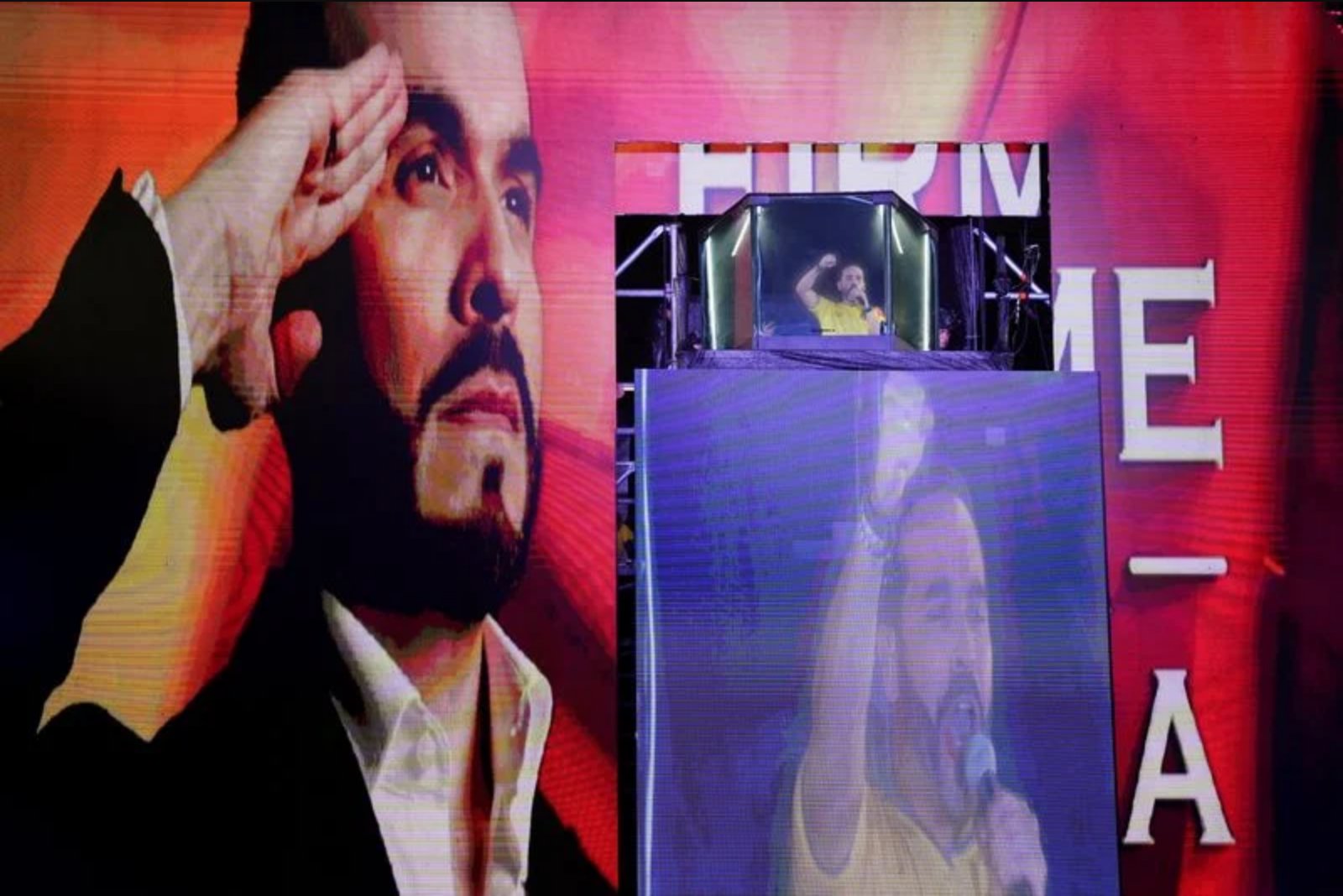
Colombia has chosen Abelardo De La Espriella as its new president, according to preliminary official tallies, marking a pronounced move to the right in the country’s politics. Nicknamed "The Tiger" by supporters, De La Espriella campaigned as an anti-establishment figure promising to rescue an economy he says is failing and to restore public order amid persistent violence from illegal armed groups and drug trafficking.
De La Espriella first rose in national prominence early in the year on the strength of a tough-on-crime message. In late May he won the first-round vote with 43.7% of ballots, and he subsequently prevailed in the runoff against leftist senator Ivan Cepeda with 49.66% to Cepeda’s 48.7%, per the national registrar’s count.
Blaming the outgoing administration for economic and security problems, De La Espriella captured a plurality of voters by laying out an ambitious policy package that mixes market-oriented economic measures with a hardline security stance. He has pledged to shrink the size of the state by 40% and to broaden the tax base. On security, he has proposed ending current peace negotiations with armed groups in favor of a reinforced military approach.
Energy policy sits at the center of his economic plan. De La Espriella intends to restart oil exploration and permit fracking with the stated goal of nearly doubling production to about 1.3 million barrels per day.
On campaign finance, De La Espriella has said he self-financed his bid and that his movement, called "Defenders of the Homeland," expanded without backing from established political parties or major business groups. That assertion could not be independently verified.
Business interests and scrutiny
Beyond his legal practice, De La Espriella controls an extensive and varied business network that includes wine, rum, clothing and real estate holdings. An investigative reporting outlet, La Silla Vacia, reported that many of those enterprises had been dissolved, were in debt and had overall losses in 2024, while identifying his law firm as his most profitable undertaking.
De La Espriella’s campaign did not answer La Silla Vaca’s questions about the businesses, the outlet said, and later the campaign publicly questioned La Silla Vacia’s funding. La Silla Vacia rejected allegations of bias.
Public image and security posture
Throughout his run, De La Espriella frequently employed a military-style salute despite having no military service record. Often photographed wearing luxury watches, designer sunglasses and a well-groomed beard, his image drew comparisons in public discourse to other regional leaders associated with assertive security measures. He has proposed building 10 large-scale prisons as part of his law-and-order strategy and has denied he is copying any particular foreign leader.
De La Espriella has also faced scrutiny for his legal work. He represented Alex Saab, who faces charges in the United States of laundering money for ousted Venezuelan President Nicolas Maduro. He has acted as counsel for clients linked to corruption scandals, financial embezzlement and right-wing paramilitary figures; he maintains that representing those clients as an attorney does not imply complicity in wrongdoing.
Personal background and next steps
Born and raised in the Caribbean city of Monteria, De La Espriella is a married father of four and is known locally as a singer of vallenato folk music. He holds citizenship in the United States, Italy and Colombia. He is scheduled to take office on August 7.
The transition sets the stage for policy shifts that could affect fiscal and energy sectors as well as public security operations. Observers will watch closely how campaign promises translate into governance once the new administration assumes power.