
World March 14, 2026 10:19 PM

Zelenskiy Says Russia Is Supplying Shahed Drones to Iran for Attacks on U.S. and Israel

Ukrainian president tells CNN that Iran used Russian-made Shaheds against U.S. bases; drones' origins and manufacturers remain murky

By Hana Yamamoto

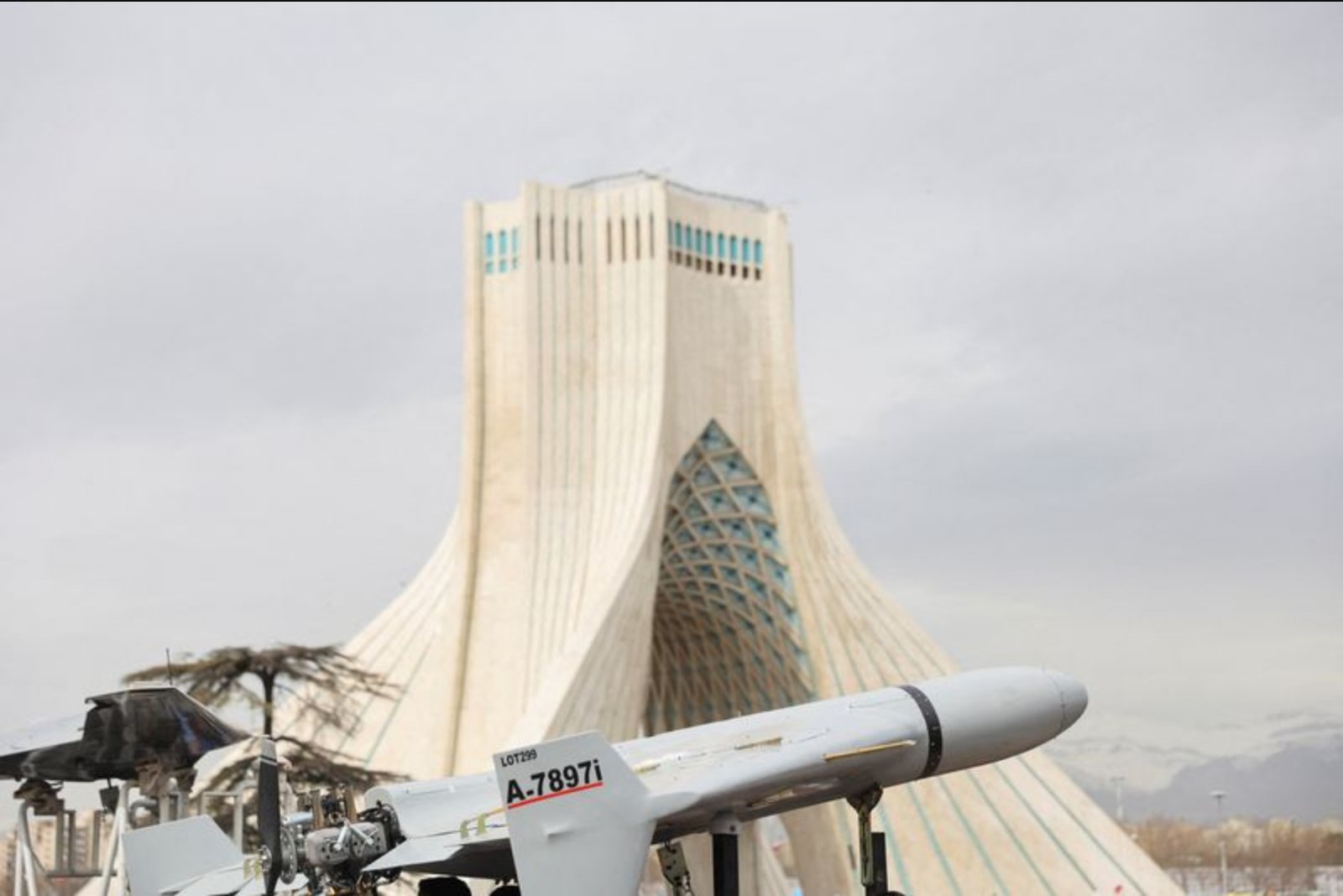
Ukrainian President Volodymyr Zelenskiy told CNN that Russia is providing Iran with Shahed drones that have been used against U.S. bases and potentially Israel. He described the claim that Iran employed Russian-made Shaheds in attacks on U.S. facilities as "100% facts." The lineage and manufacture of Shahed-type drones remain unclear in several incidents, even as their use has spread across multiple conflicts.

Zelenskiy Says Russia Is Supplying Shahed Drones to Iran for Attacks on U.S. and Israel

Key Points

  • Russian supply of Shahed drones to Iran is asserted by Ukraine's president, with claims that Iranian use of Russian-made Shaheds has targeted U.S. bases - implications for defense and geopolitical risk assessments.
  • Shahed drones were developed in Iran as a lower-cost alternative to missiles and have been used extensively in Ukraine since fall 2022, with Russia now producing its own variants - relevant to aerospace and defense manufacturing sectors.
  • Shahed-type systems have been adopted by multiple armed forces, and the U.S. military has acknowledged their role in the current campaign against Iran - affecting defense procurement and military operations planning.

Ukrainian President Volodymyr Zelenskiy told CNN in an interview excerpt aired on Saturday that Russia is supplying Iran with Shahed drones intended for use against the United States and Israel.

In the interview with Fareed Zakaria, Zelenskiy stated that it is "100% facts" that Iran has used Russian-made Shahed drones to strike U.S. bases. The president's comments tied a series of regional attacks to Shahed systems while noting that the manufacturers behind such attacks are not always straightforward to identify.

Shahed drones originated in Iran as a lower-cost alternative to traditional missiles. Their relative affordability has made them attractive to armed forces looking for cheaper strike options. They first became prominent on a large scale during Russia's invasion of Ukraine, where Ukrainian officials report that thousands of Shahed drones have been launched by Russian forces since fall 2022.

Although Iran initially supplied these drones, the production landscape changed as Russia began manufacturing its own Shahed variants. The technology has also been adopted beyond Iran and Russia: armed forces in other countries have taken on Shahed-type drones, and the U.S. military has said such systems are part of the current campaign against Iran.

Observers and officials have linked Shahed drones to multiple attacks across the region, but attribution can be complicated because the manufacturers or operators are not always clear in each incident. Zelenskiy's public assertion adds a further layer to questions about supply lines and the proliferation of this class of weapon.


Context to note

  • Zelenskiy made the statements in a CNN interview excerpt aired on Saturday.
  • He described as "100% facts" the use of Russian-made Shaheds by Iran against U.S. bases.
  • Shahed drones were first widely used during Russia's invasion of Ukraine, with thousands launched since fall 2022 according to Ukrainian sources.

Risks

  • Attribution uncertainty: manufacturers and operators of Shahed-linked attacks are not always clear, complicating intelligence and response strategies - a risk for defense and security policymakers.
  • Proliferation risk: the spread of Shahed-type drones across multiple militaries and the reported supply from Russia to Iran introduce uncertainty in regional stability and military supply chains - a risk for defense contractors and geopolitical risk models.
  • Escalation potential: assertions that U.S. bases and Israel are targets contribute to an environment of heightened tension, with implications for defense posture and strategic planning in affected countries.

More from World

Renewed U.S.-China Trade Confrontation Ahead of Presidential Visit May 6, 2026 Justice Department Files Suit to Overturn Colorado’s 15-Round Magazine Ban May 6, 2026 Journalists Killed or Abducted in Mexico Nearly Double in 2025, Report Finds May 6, 2026 Cuban leaders condemn U.S. statements on possible military intervention amid crippling fuel shortages May 6, 2026 Macron Presses Iran on Keeping Strait of Hormuz Open for Shipping May 6, 2026