
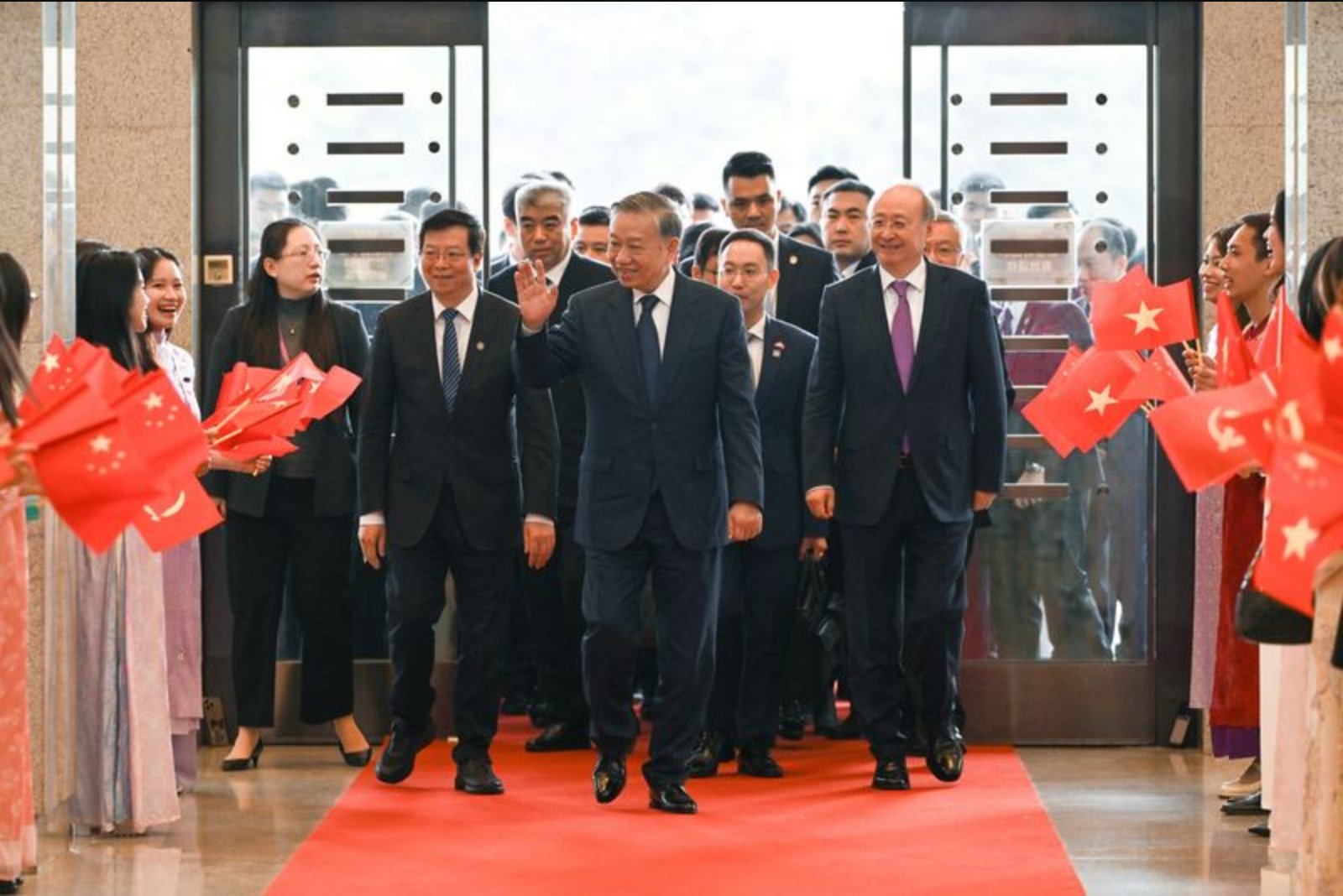
Vietnam’s Communist Party is preparing a comprehensive overhaul of how it communicates with the public, seeking to enlist social media influencers and artificial intelligence experts while expanding into new digital formats, according to an internal draft seen by Reuters.
The draft, prepared in April, proposes building a network of at least 1,000 influencers and 5,000 AI specialists by 2030 to help disseminate what the party defines as "positive" content. The initiative is framed around creating what the document calls "ideological immunity" across society against information judged harmful, toxic or false.
Objectives and technological tools
The strategy underscores rapid technological change and the need for fresh approaches to reach younger cohorts. It sets concrete targets for the online information environment: at least 80% of Vietnamese-language content on the internet should be positive by the end of the decade. In addition, the draft calls for using AI to ensure that within 24 hours at least 90% of content found to contravene party guidelines is removed.
Vietnamese tech companies are expected to develop AI applications that will "lead social discussion," the draft says. The document also stresses simplifying policy explanations and making them more accessible through podcasts, short videos and material tailored to social media and specific demographic groups.
Roles for influencers and trained officials
Part of the plan envisages recruiting external influencers and training officials in digital skills to engage more effectively with a public increasingly drawn to visual and short-form content. The draft states that these communicators will be deployed to reach young people and other audiences that prefer video-heavy social platforms.
State media have been told to adopt more creativity when covering senior leaders and the draft explicitly cites influencers as an example for how that could be achieved. Some influencers have already been approached, although at least one told Reuters he turned down recruitment to retain editorial autonomy. He said party requests typically involve publishing approved material, posting sanctioned content or promoting state activities. Those who participate may receive perks such as sponsored trips, but not direct financial payment, the person added on condition of anonymity.
Security apparatus and information control
The propaganda push comes at a time when the country’s security apparatus is described as gaining influence. The draft notes a need to reinforce the party’s narrative control in a context where authorities already tightly manage public debate by directing news coverage and censoring social media.
Vietnam deploys fines and detention against dissenting voices, and a specialised military unit has been tasked with combating information deemed harmful through online posts and comments. The new strategy would add technological and human resources to these efforts, combining AI moderation with a network of influencers and trained personnel to shape online discourse.
Scale of social media use and platforms
The document points to the scale of social media penetration as a motivation for the initiative. Platforms such as Facebook and TikTok are widely used in Vietnam; by October there were 79 million active social media user identities, equal to nearly 80% of the population according to DataReportal.
Given this high level of engagement, the party’s draft aims to harness domestic AI tools and a cadre of communicators to steer conversations and present policy and party messaging in formats that match contemporary media consumption habits.
Creativity, control and a recent controversy
The party guidance that promotes creativity among state media also recognises the attendant risks. Allowing more creative approaches risks producing cultural products that deviate from official lines. The draft cites a recent example that illustrated this tension: a song released in April titled "My Uncle," dedicated to party chief and president To Lam, likened him to the nation’s founding leader and provoked unease within the party.
The performer, Du Thien, who has about 850,000 Facebook followers, released the song accompanied by video footage of To Lam meeting foreign leaders. State media were subsequently instructed not to cover "improperly oriented" cultural products that could undermine the prestige of communist leaders and ideology. People familiar with the matter said the episode underlined the difficulty of balancing creative promotion and ideological control.
Other party activities and outreach
Separately, the Communist Youth Union’s central committee invited Vietnamese influencers on a study trip to China in April, the draft notes, as one of several recent visits. Proposals within the public security ministry have also suggested using influencers to help counter market downturns, according to an internal paper in March that is cited in the draft.
The draft sets out a multi-faceted approach combining technology, human networks and media format changes designed to fortify the party’s hold on public narratives. It signals a coordinated effort to adapt propaganda techniques to an increasingly digital information ecosystem while attempting to minimise content that contradicts party guidelines.
Summary
An internal Communist Party draft lays out a plan to deploy influencers, recruit thousands of AI specialists and adopt new content formats like podcasts and short videos to shape Vietnam’s online information environment. The stated goal is to create "ideological immunity," ensure most Vietnamese-language online content is positive, and use AI to remove guideline-infringing posts quickly.