
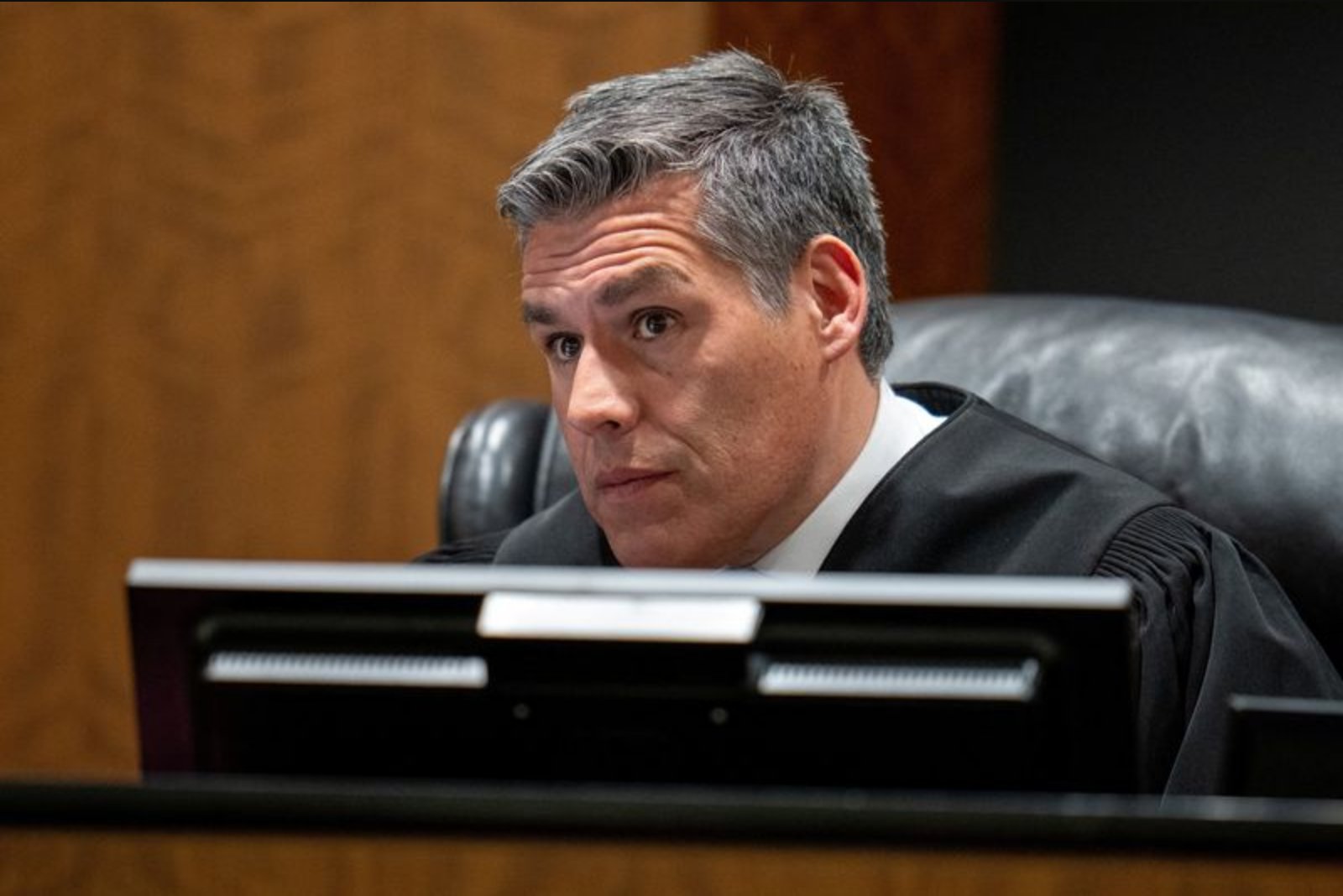
In a ruling on Friday, a Utah district court judge declined a motion seeking to ban live television broadcasts and still photography from courtroom sessions in the case of Tyler Robinson, who stands accused of killing conservative activist Charlie Kirk. The judge did, however, grant a defense request to move a crucial preliminary hearing to early July.
District Court Judge Tony Graf said that allowing livestreamed coverage offered the greatest level of public access to court proceedings and served to hold the justice system publicly accountable. Graf also noted that the court has implemented safeguards intended to reduce the risk that visual coverage would taint potential jurors - including measures to avoid showing Robinson in shackles.
Robinson's attorneys had argued that live courtroom broadcasts were producing sensationalized and biased media coverage that could influence the jury pool in the aggravated murder prosecution. They urged restrictions on visual media coverage on those grounds.
Opposing the defense request, Kirk's widow Erika Kirk, various media organizations and prosecutors pushed the court to permit cameras during hearings. They asserted that allowing media access via cameras was the most effective tool to counter misinformation and conspiracy theories that have surrounded the case.
On the scheduling issue, Judge Graf granted the defense motion to postpone the preliminary hearing - where prosecutors must present sufficient evidence for the judge to find probable cause to proceed to trial - moving it to a window from July 6 through July 10. The hearing had been set for mid-May before the court agreed to the delay.
Robinson's legal team said they required extra time to inspect data files that allegedly show Robinson's DNA on the rifle tied to the killing, along with other material evidence. Graf ordered the next court appearance in the matter to take place on May 19.
Prosecutors have indicated they will seek the death penalty if Robinson is convicted in the September 10 murder of Charlie Kirk. Robinson, 23 at the time of the shooting, was training to be an electrician. He is accused of firing a single round from a rooftop that struck Kirk while Kirk was engaged in a debate with students at Utah Valley University in Orem.
Charlie Kirk was credited with mobilizing young voters who contributed to President Donald Trump's victory in the 2024 election. The fatal shooting occurred onstage in front of thousands and was widely described as a startling instance of political violence in the United States.