
Boxes of fireworks ready for export to the United States sit stacked in a warehouse in Liling, southern China, many printed with U.S. patriotic imagery - from eagles and the Statue of Liberty to slogans such as "Fight for America" and some bearing the "Make America Great Again" line. One label depicts U.S. President Donald Trump raising a fist in defiance after a failed assassination bid in 2024, a striking example of how Chinese makers tailor their products for U.S. buyers.
Wilson Lam, who manages U.S. business for Black Scorpion Fireworks, described expectations for the upcoming July 4 holiday as markedly improved compared with last year. "This year’s celebrations for U.S. Independence Day on July 4 will be 'a lot better' than last year," he said, attributing the improvement to the rollback of tariff increases that had hit manufacturers hard.
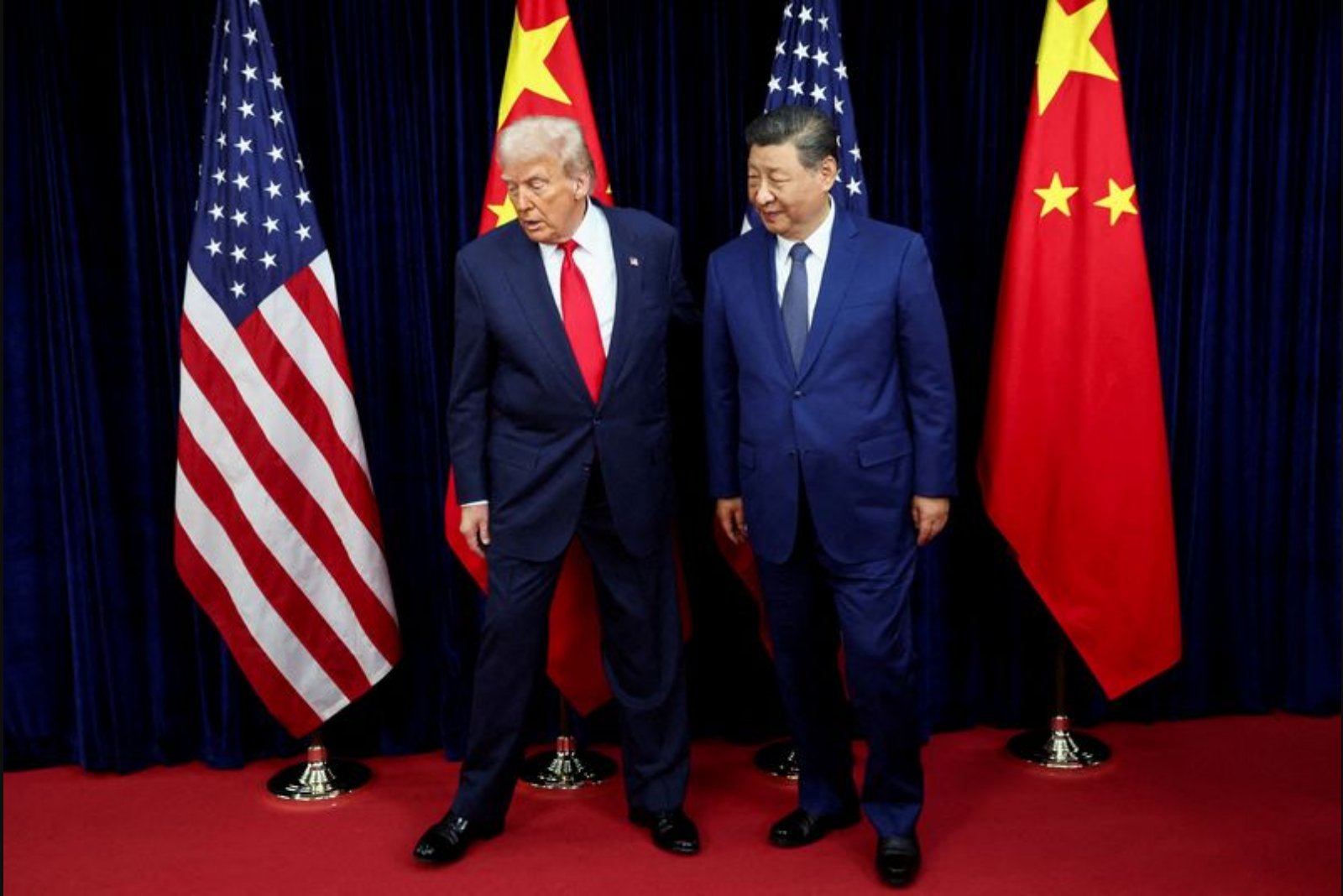
Lam said his brand’s orders from the United States have increased by 15% to 30% this year after tariffs that had risen by more than 100 percentage points were reversed. The boost in demand comes as President Trump plans a mid-May trip to Beijing, an event Lam cited as evidence of how closely linked the two economies remain. He noted that the United States takes almost 40% of China’s fireworks exports.
Most orders intended for July 4 events have either already been shipped or are in transit, Lam added. That reduces the risk of U.S. holiday disruptions despite a short production stoppage this week while authorities carried out safety inspections following a deadly blast at a nearby fireworks factory.
Made in China for U.S. Independence Day
The operation Black Scorpion markets overseas is the foreign-facing arm of a factory with three decades of history located in a region whose association with pyrotechnics stretches back centuries. The area that supplies much of China’s fireworks output is concentrated in the Hunan and Jiangxi provinces, sometimes described locally as a "fireworks corridor," where state media say hundreds of thousands of people work in the industry.
National export data cited by industry observers show China accounted for about two-thirds of global fireworks sales in the most recent year, with export value of $1.14 billion, a small decline from $1.16 billion the year before. Factories commonly ship orders in April for July 4 events in the United States, but many shipments were postponed last year after U.S. tariffs rose by 145 percentage points under levies enacted by the Trump administration - moves that were quickly softened when Beijing retaliated and Washington lowered the barriers within weeks.
As a result of that disruption, some of Lam’s consignments that missed the July 4 window were instead used for other occasions, such as New Year celebrations.
Local supply chains and markets
Production at many of the Black Scorpion facilities remains largely manual. A substantial share of the raw materials its factories use - as much as 70% according to local accounts - originates from Liuyang, a regional city known for its concentration of fireworks commerce. Liuyang, with more than 400 fireworks stores and just under 1.5 million residents, hosts regular festivals that draw tourists, as do nearby Pingxiang.
Not all producers have moved to expand exports to the United States. Liu Fangguo, founder of the Shengding Fireworks Factory in Pingxiang, described a decision to pivot away from U.S. shipments to avoid the administrative burden of tariffs. "We’ve tried every means to shift to domestic sales or sell to other countries," he said. "We gradually recovered but the impact (of tariffs) is still there."
Industry views on trade relations
Eric Zheng, president of the American Chamber of Commerce in Shanghai, said members remain cautious about the durability of improved China-U.S. relations but largely expect President Trump’s visit to produce a short-term easing of trade tensions. He framed the commercial relationship in consumer terms, noting that U.S. buyers prize affordable, well-made Chinese products across many categories.
"If you move away from China, it will be a loss for U.S. consumers," Zheng said. "So let them make fireworks."
Outlook and immediate constraints
While exporters and buyers appear to be re-engaging following the tariff episode, producers still face near-term constraints. The recent deadly blast that prompted safety inspections underscores ongoing operational risks at the local level. Nonetheless, for many manufacturers in Hunan and Jiangxi, the combination of the tariff rollback and sustained U.S. demand means the business outlook for this year’s July 4 period is substantially improved compared with the prior year.