
The U.S. government on Monday circulated an advisory to financial institutions outlining tactics the Islamic Revolutionary Guard Corps uses to circumvent U.S. sanctions, as concerns grow about the possibility of a return to open conflict with Iran.
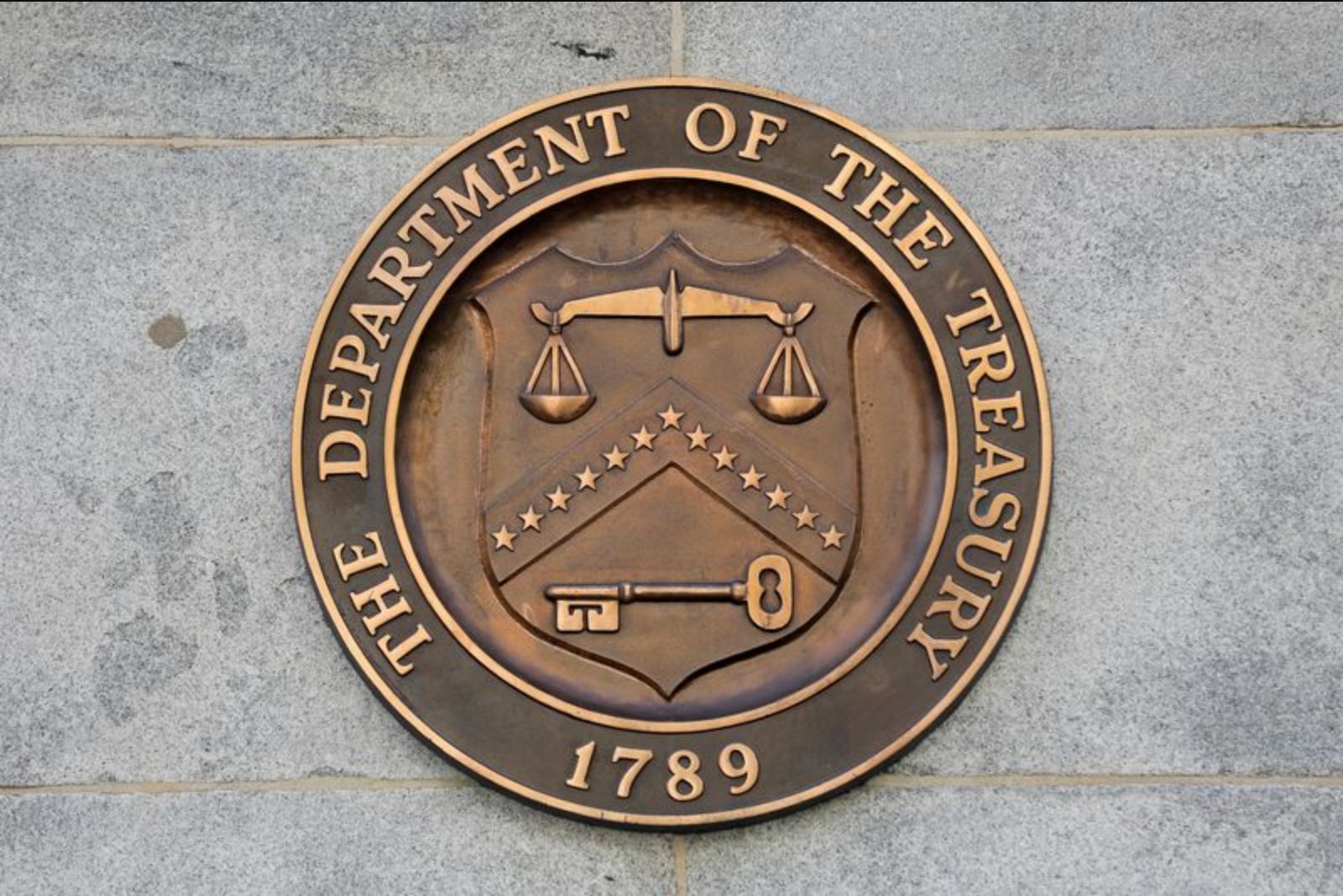
The Financial Crimes Enforcement Network - FinCEN - said it issued the alert to help banks and other financial firms identify individuals and networks that fund and facilitate procurement activity on behalf of the IRGC. The advisory details a range of evasion measures reportedly employed by the IRGC.
Modes of evasion
FinCEN noted that the IRGC makes use of front companies, digital asset infrastructure, and various service providers as part of its efforts to avoid U.S. sanctions. The alert also referenced industry reporting to state that Iranian digital assets activity has reached billions of dollars per year, and that Iran's government, including the IRGC, participates in that activity to evade sanctions.
Context and timing
The notice was issued against a backdrop of diplomatic strain. On Monday, President Donald Trump said a ceasefire with Iran was "on life support" after rejecting Tehran's response to a U.S. peace proposal, a comment that has heightened fears of a restart of hostilities in the 10-week-old conflict. That conflict has resulted in thousands of deaths and has disrupted critical energy flows.
Recent enforcement actions
The United States maintains a broad sanctions regime targeting Iran. Last Friday, the Treasury Department announced new measures against 10 people and companies, including several entities in China and Hong Kong. The Treasury said those designated were accused of helping Iran obtain weapons and the raw materials required to construct Shahed drones and ballistic missiles.
This advisory from FinCEN is intended to sharpen the ability of financial institutions to detect and disrupt networks that supply and support the IRGC, particularly where procurement and financing exploit nontraditional channels such as digital assets and intermediaries posing as legitimate service providers.
Financial institutions and related market participants are directly implicated by the advisory; energy markets and supply chains tied to defense-related procurement are also affected indirectly by the heightened sanctions enforcement and the risk of renewed conflict.