
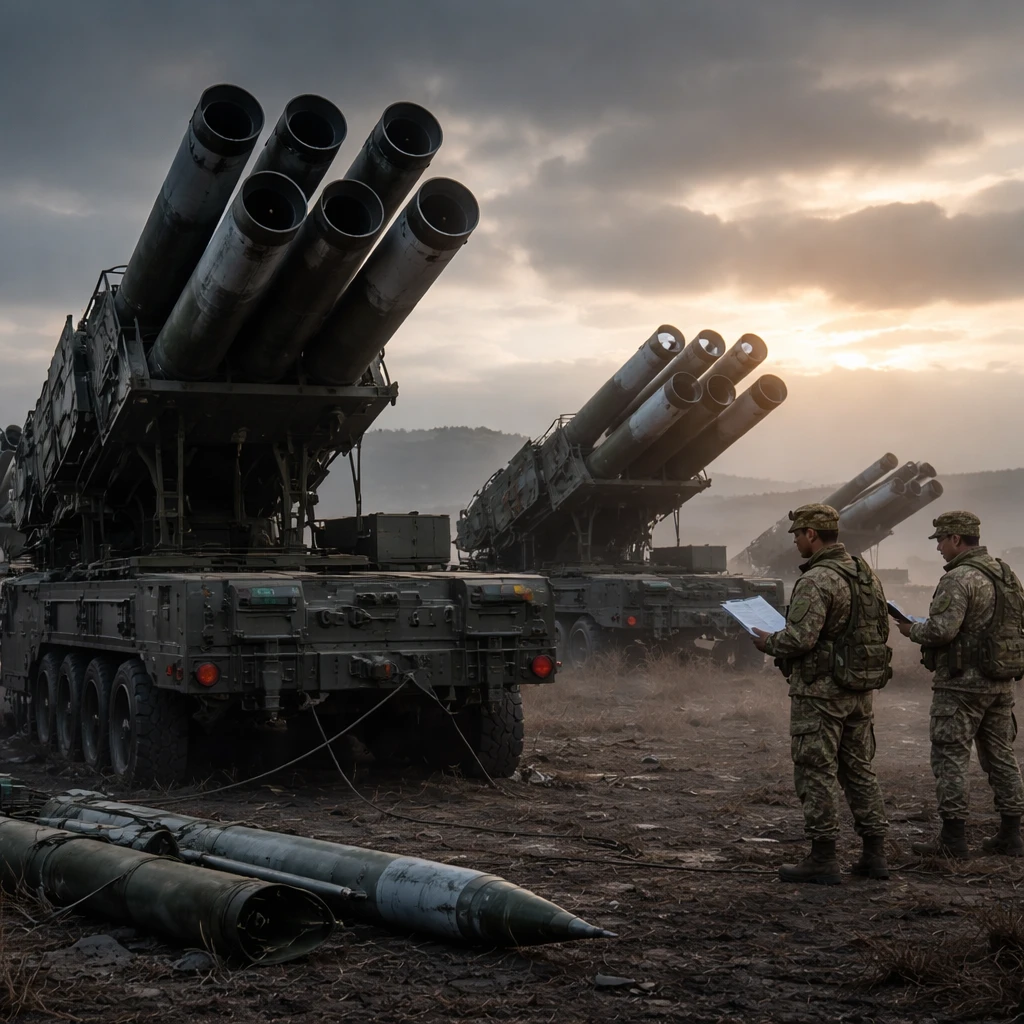
KYIV, May 8 - Ukraine's air force has warned that its inventory of air-defence missiles has fallen to critical levels following Russia's intensive winter assault, leaving some launchers with only a fraction of their usual load, the service said on Friday.
"Today, the launchers assigned to certain units and batteries are half-empty - and that’s putting it mildly. They have a limited number of missiles," air force spokesperson Yuriy Ihnat was quoted as saying by the Ukrinform news agency. The statement described a situation in which available missile stocks are much reduced compared with typical operating levels.
The armed forces have sought to mitigate aerial threats using domestically developed solutions to neutralize long-range Russian drones. Measures cited include interceptor drones, mobile gun units and electronic warfare systems. Those tools have been applied against drone threats, but when it comes to intercepting incoming missiles, Ukraine continues to rely heavily on foreign-supplied air-defence platforms.
Over more than four years of conflict, deliveries of air-defence equipment from partners have experienced delays and interruptions. According to the air force account, this has contributed to an evolving supply constraint that became more acute after the winter campaign. The situation has been further complicated by increased demand for similar systems and munitions in the conflict between the U.S. and Israel and Iran, placing additional pressure on available stocks and production chains.
Ihnat said that the scarcity has forced Kyiv to make very small requisitions from allies for missile resupplies. "Today we have found ourselves on short rations when it comes to missiles due to certain supply problems," he said, adding that Ukraine has at times asked partners for as few as five to 10 missiles at a time for systems such as NASAMS and IRIS-T.
Those comments highlight a narrow margin for sustaining missile-interception operations without more regular and larger deliveries. They also underscore a reliance on externally sourced missile interceptors for protecting airspace against aerial threats that domestic measures alone do not fully address.
Key developments
- Air force reports launchers in some units are ‘‘half-empty’’, indicating low missile stocks.
- Ukraine employs domestic measures - interceptor drones, mobile gun units and electronic warfare - mainly against long-range drones but relies on foreign systems for missile interception.
- Supply delays and increased external demand for air-defence systems have intensified pressure on missile availability.
Implications for sectors
- Defense sector - increased demand for interceptor missiles and air-defence systems.
- Supply chain and manufacturing - production and delivery timetables for allied suppliers could be stretched by competing operational needs.