
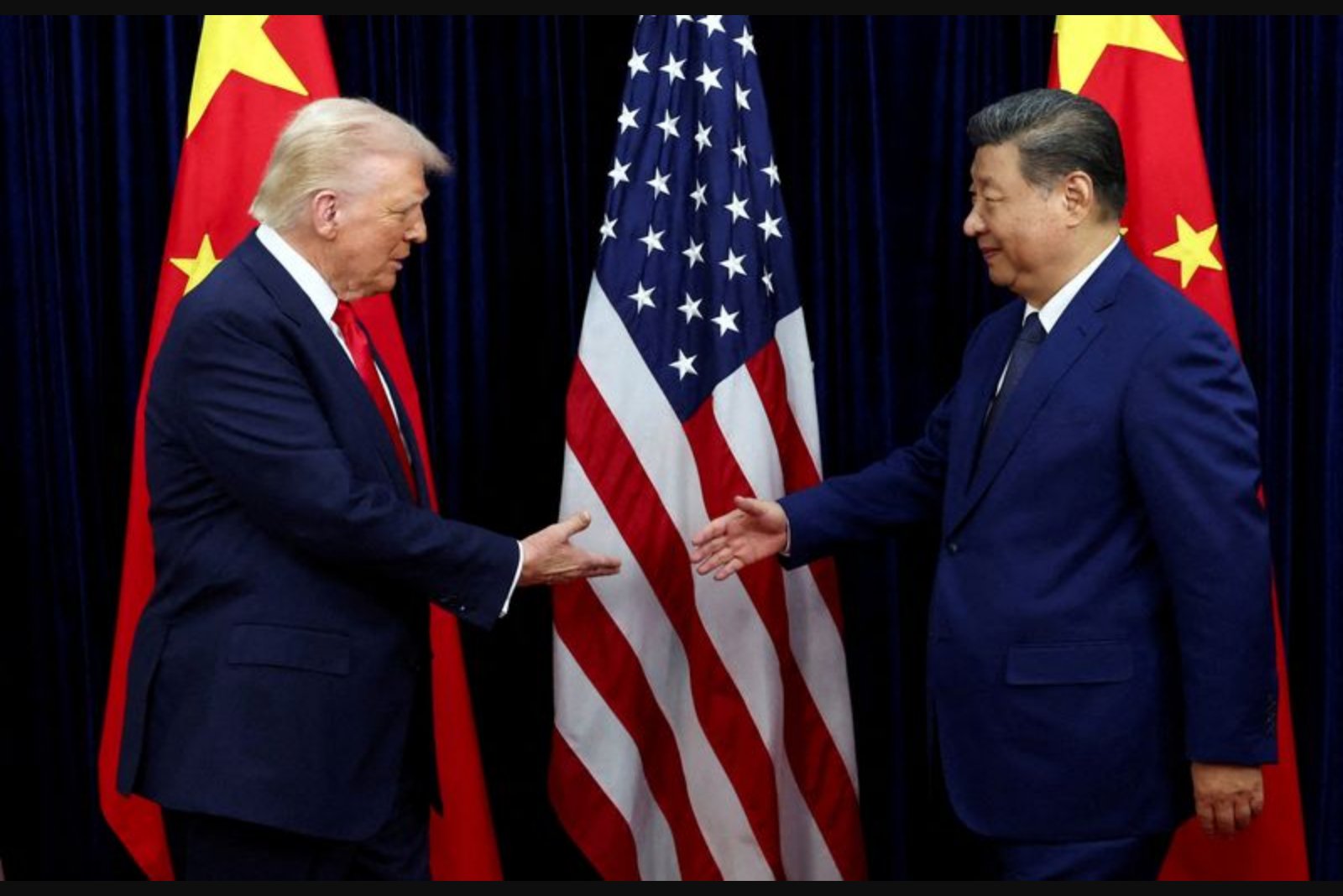
U.S. President Donald Trump said on Monday that he plans to raise the subject of arms sales to Taiwan with Chinese President Xi Jinping during meetings in Beijing this week. Asked by reporters at the White House about Washington's long-standing support for Taiwan's defense, the president said, "I'm going to have that discussion with President Xi."
Trump added that he is aware of Beijing's objections to U.S. weapons transfers. "President Xi would like us not to, and I'll have that discussion. That's one of the many things I'll be talking about," he said, without offering further detail on how the issue might be resolved.
The island of Taiwan is claimed by China, a position Taipei rejects. The United States operates under a "one China policy," which the administration describes as acknowledging China's stance while taking no position on Taiwan's sovereignty. The U.S. is described as Taiwan's most important international backer and is bound by U.S. law to assist with the island's defense.
Arms transfers to Taiwan have been a recurring source of tension in relations between Washington and Beijing. In December, the president announced what was described as the largest-ever U.S. weapons package for Taiwan, valued at more than $11 billion. In the days leading up to the summit, aides to the president reportedly urged Taiwan to allocate additional funds to its own defense, and a U.S. official said the planned Trump-Xi meeting did not indicate any change in U.S. policy toward Taiwan.
When asked whether he expected tensions over Taiwan to escalate during his administration, Trump expressed skepticism that a conflict would occur. "I don't think it'll happen," he said, without elaborating on the scenarios he was referring to. "I think we'll be fine. I have a very good relationship with President Xi. He knows I don't want that to happen."
Context and reporting limits
The comments were made during a White House exchange with reporters and convey the president's intention to include arms sales to Taiwan among topics for discussion in Beijing. The public remarks reflect known policy positions and recent decisions but provide no new commitments or alterations to stated U.S. policy.