
TAIPEI, May 11 - Taiwan's government said on Monday it is confident that relations with the United States will remain stable as U.S. President Donald Trump heads to Beijing for a summit with Chinese President Xi Jinping. Taipei is closely watching the meeting, officials said, because the status of democratically governed Taiwan - which China considers its territory - is expected to be raised.
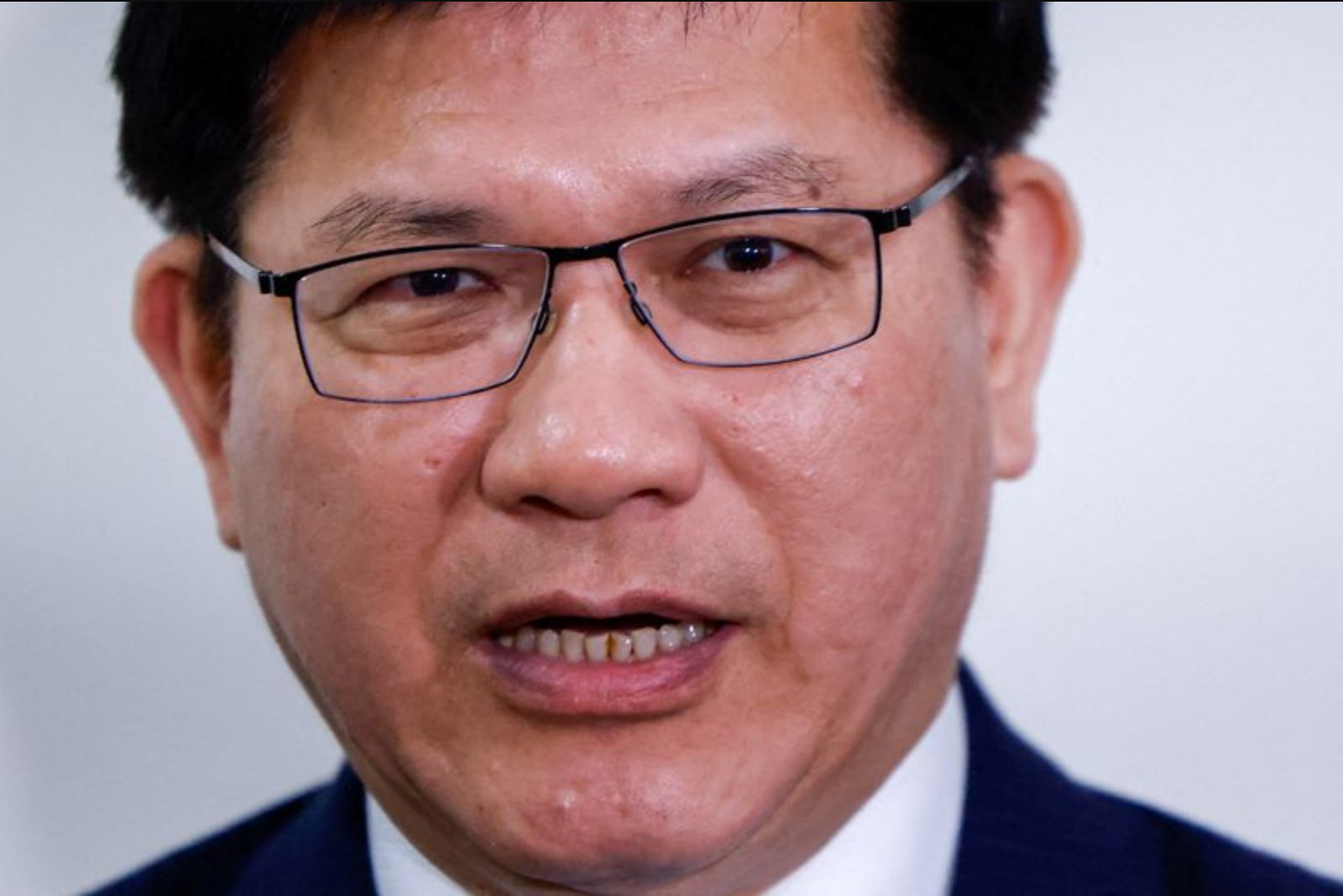
Foreign Minister Lin Chia-lung told reporters at parliament in Taipei that Taiwan has maintained continuous channels of communication with the U.S., both via public statements and through non-public diplomacy. "We have also maintained continuous communication with the United States - whether through public statements from the U.S. government or through non-public channels. We are confident in the stable development of Taiwan-U.S. relations," he said. "The U.S. government has repeatedly expressed that its Taiwan policy will not change."
Lin's comments come as the Taiwanese government monitors the Trump-Xi summit, where Taiwan is likely to be discussed. The Taiwanese minister reiterated a longstanding point highlighted by Taipei and Washington: China has not ruled out using force to bring Taiwan under its control. He noted that U.S. law obliges Washington to provide Taiwan with the means to defend itself, and he cited U.S. Secretary of State Marco Rubio's recent remark that stability across the Taiwan Strait is necessary.
Domestically, Taiwan is facing a political challenge over defence resources. The U.S. has encouraged Taiwan and its allies to increase defence spending, but Taiwan's opposition-controlled parliament approved a special defence budget that is smaller than what the government had requested. A senior U.S. official expressed disappointment at the lower approved amount, saying it fell short of the level Washington believes is needed.
Lin said he hopes parliament will take remedial action so the defence appropriation can underpin Taiwan's security policy. He framed sufficient defence funding as essential to preserving peace in the Taiwan Strait, which he described as a common objective shared by Taiwan and like-minded countries. "However, peace depends on strength - it requires demonstrating the defence capability for self-defence in order to deter aggression," Lin said. "In particular, the Chinese communists are currently pursuing military buildup and authoritarian expansion."
The government’s appeal to lawmakers underscores the tension between fiscal decision-making at home and external strategic expectations. Taipei is relying on continued dialogues with Washington and on parliamentary adjustments to ensure its defence posture aligns with stated security goals.