
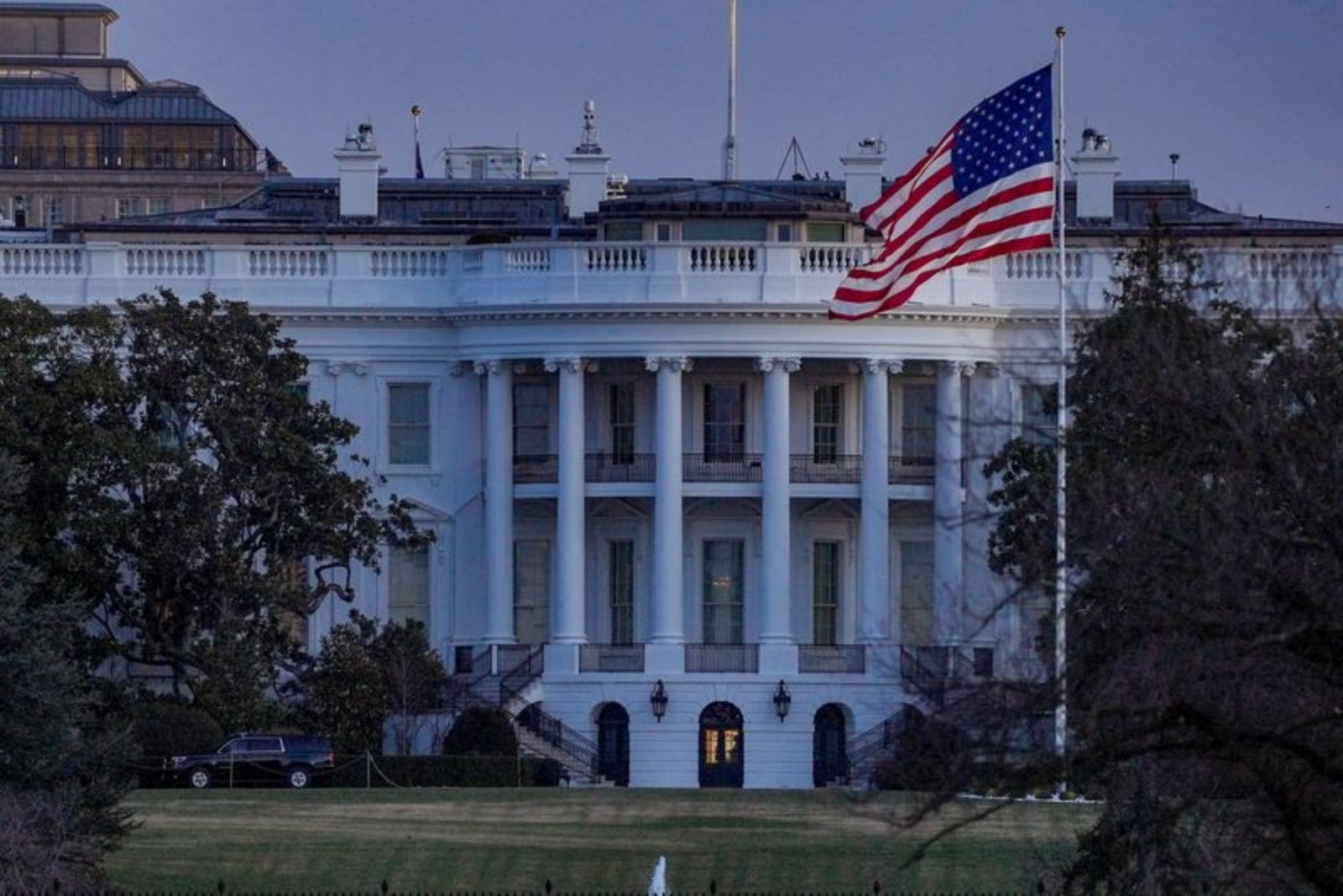
WASHINGTON, May 11 - An open letter signed by more than 2,000 scientists and researchers was delivered to Congress on Monday, protesting the White House's termination of the entire National Science Board (NSB). The letter contends that firing the board - which comprises more than 20 members appointed to staggered six-year terms - damages the United States' ability to compete internationally in science and engineering.
The National Science Board was created in 1950 as an independent advisory body to help govern the National Science Foundation (NSF) and to provide guidance to both the president and Congress on science and engineering policy. The signatories asked congressional leaders to seek the reinstatement of the terminated members.
In their appeal, scientists described the dismissals by the White House as "abrupt" and said they felt "deep dismay" at the action. The letter warns that the ousting of the board "ramps up an alarming attack on the ability of the U.S. to engage in basic and applied research, and to be competitive globally, particularly given that China is now investing more in R&D than the U.S."
Signatories framed the board’s removal as part of a broader pattern under the current administration. The letter states: "This dismantling of a critical national advisory body is but one of many such actions taken by the current administration that deprives our government of independent, apolitical, oversight and expert advice, not only in the sciences but also in healthcare and technology."
Responding to the terminations, a White House official said that the authorities Congress granted the board when it was established may require updating. The same official emphasized that the National Science Foundation’s work "continues uninterrupted," despite the dismissal of the board.
The scientists’ letter asks Congress to act to restore the dismissed NSB members. It highlights concerns about the loss of independent, expert oversight and the possible consequences for the nation’s capacity to perform and fund basic and applied scientific research.
While the White House frames its move as a potential statutory modernization, the scientific community represented in the letter urges congressional intervention to preserve independent advisory structures that inform federal research policy.
Key points
- Over 2,000 scientists signed an open letter asking Congress to reinstate the more than 20 terminated National Science Board members, who served six-year terms.
- The letter calls the dismissals "abrupt" and warns they undermine U.S. capacity for basic and applied research, noting China’s growing R&D investment.
- The letter describes the action as part of broader removals of independent advisory voices, with specific mention of impacts across the sciences, healthcare and technology sectors.
Risks and uncertainties
- Loss of independent, apolitical oversight could weaken guidance for federal research policy - affecting the scientific research sector and federal R&D priorities.
- Potential decline in U.S. competitiveness in basic and applied research, particularly relative to China, could affect sectors reliant on R&D investment such as technology and healthcare.
- Uncertainty about whether statutory authorities for the board will be updated introduces ambiguity about the future structure and independence of advisory bodies.