
World May 11, 2026 06:34 AM

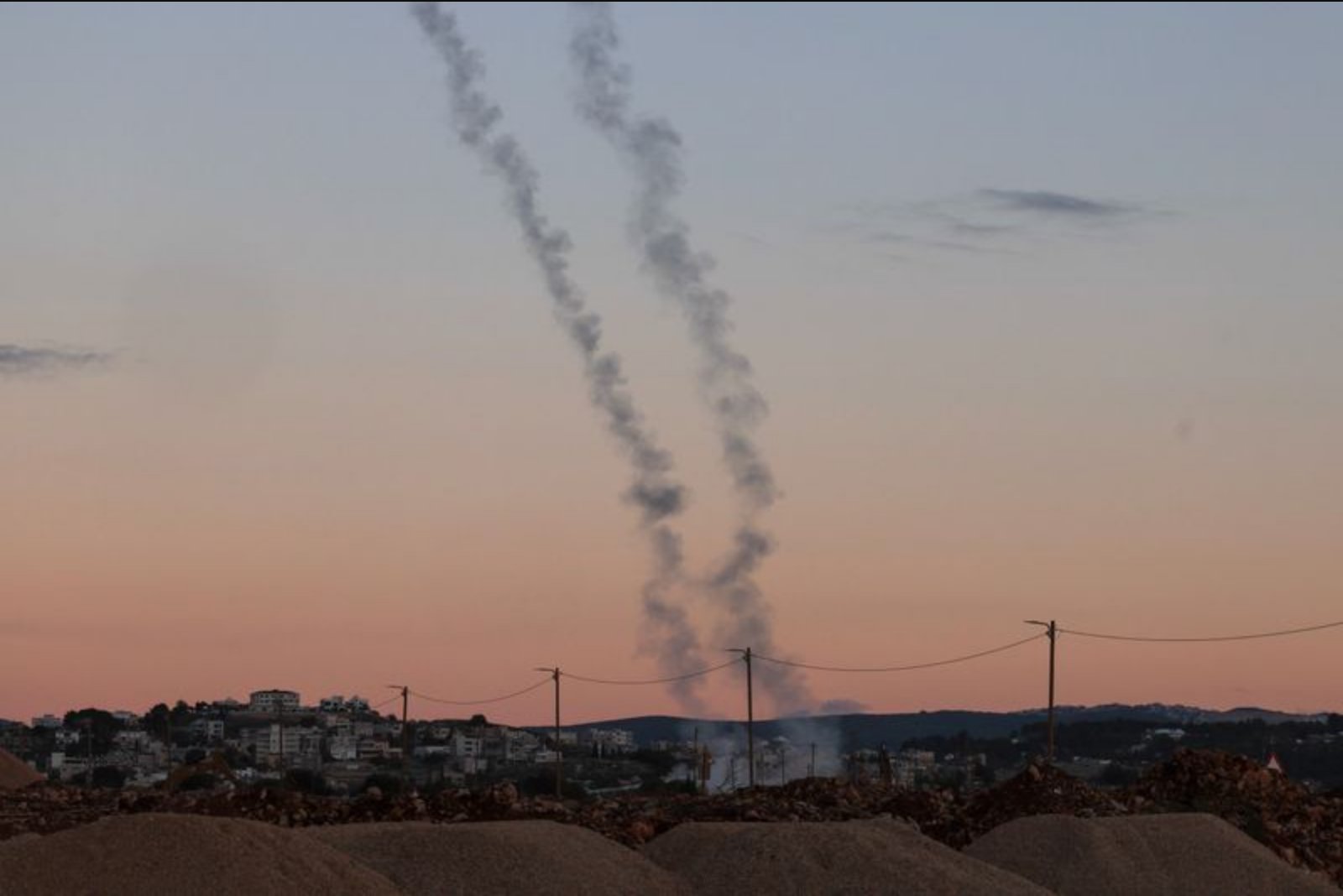
Rafael chairman says Iron Dome achieves nearly 99% interception rate against rockets and missiles

Company official reports high success rates against launches by Hamas, Hezbollah and Iranian ballistic strikes since October 2023

By Maya Rios

Rafael Advanced Defense Systems' chairman reported that Israel's Iron Dome air-defence system has intercepted the vast majority of projectiles fired by Hamas and Hezbollah since October 2023, and has also neutralised most ballistic missiles launched from Iran in clashes this year. Company figures presented at a Jerusalem security conference put the Iron Dome's success rate at roughly 98-99 percent, while noting the system is not flawless.

Rafael chairman says Iron Dome achieves nearly 99% interception rate against rockets and missiles

Key Points

  • Rafael's chairman reported that about 40,000 rockets have been launched at Israel by Hamas and Hezbollah since October 2023, with Iron Dome intercepting the majority.
  • The Iron Dome interception success rate was described as around 98-99 percent, signalling high operational effectiveness while not being flawless.
  • Iran reportedly launched about 1,500 ballistic missiles at Israel in two rounds since 2024, with only several dozens not intercepted; defence and aerospace sectors, as well as defence contractors, are most directly relevant to these developments.

TEL AVIV, May 11 - The chairman of state-owned Rafael Advanced Defense Systems Ltd said on Monday that Israel's Iron Dome has intercepted nearly all incoming projectiles fired by militants from Gaza and Lebanon, and has also stopped most ballistic missiles launched from Iran in recent exchanges.

Speaking at a conference hosted by the Jerusalem Center for Security and Foreign Affairs, Yuval Steinitz said that since the October 2023 Hamas raid on Israel, fighters from Hamas in Gaza and Hezbollah in Lebanon have together launched around 40,000 rockets toward Israel.

"Iron Dome intercepted most of them with success rates that (are) not 100% but close to 100%. It’s around 98%, even 99%, so it’s not perfect, but almost," Steinitz told attendees. The chairman used the remark to characterise the system's overall battlefield performance while acknowledging it falls short of absolute perfection.

Steinitz also addressed ballistic missile attacks from Iran. He said Iran has launched approximately 1,500 ballistic missiles at Israel in two rounds of fighting since 2024. According to his account, "only several dozens" of those missiles were not intercepted by defensive systems.

The Rafael chairman further stated there was no shortage of missile interceptors, a point intended to reassure that supply constraints were not limiting the system's operational tempo.


Context and implications

The figures presented by Rafael's chairman provide a measure of the scale of the exchanges of fire that have affected Israel since October 2023 and into 2024. They also frame Iron Dome's operational record as highly effective by the metrics cited, while leaving room for the remaining, non-intercepted projectiles that continue to present danger.

This account is drawn from comments made at a Jerusalem security conference and reflects the numbers and assessments offered there.


Summary of key factual points

  • Hamas in Gaza and Hezbollah in Lebanon have reportedly fired about 40,000 rockets at Israel since October 2023.
  • Iron Dome's interception success rate was described as approximately 98-99 percent by Rafael's chairman.
  • Iran has fired roughly 1,500 ballistic missiles at Israel in two rounds of fighting since 2024, with only "several dozens" reported as not intercepted.
  • Rafael's chairman said there was no shortage of missile interceptors available.

Risks

  • Despite near-high interception rates, the system is not perfect - the cited 98-99 percent rate means some rockets and missiles were not intercepted, posing ongoing security risks to civilian areas and infrastructure; this has implications for insurance and reconstruction costs.
  • The report gives an aggregated count of launches and interceptions but leaves some imprecision in the number of non-intercepted ballistic missiles (described as "only several dozens"), introducing uncertainty about the exact scale of successful enemy strikes and their economic impact.
  • The continuation of large-scale launches since October 2023 and into 2024 indicates a sustained threat environment, affecting defence procurement, operational readiness of air-defence operators, and market attention to defence-related companies.

More from World

Kyrgyz Authorities Charge Former Security Chief and Seven Others Over Alleged Coup Plot May 12, 2026 Trump Says Cuba Has Requested Help, Offers No Details on U.S. Plans May 12, 2026 Saudi Air Force Carried Out Covert Retaliatory Strikes on Iranian Soil, Sources Say May 12, 2026 Senator Ronald dela Rosa Seeks Shelter in Senate as ICC Arrest Warrant Is Unsealed May 12, 2026 UNICEF: 70 Children Killed in West Bank and East Jerusalem Since Early 2025 May 12, 2026