
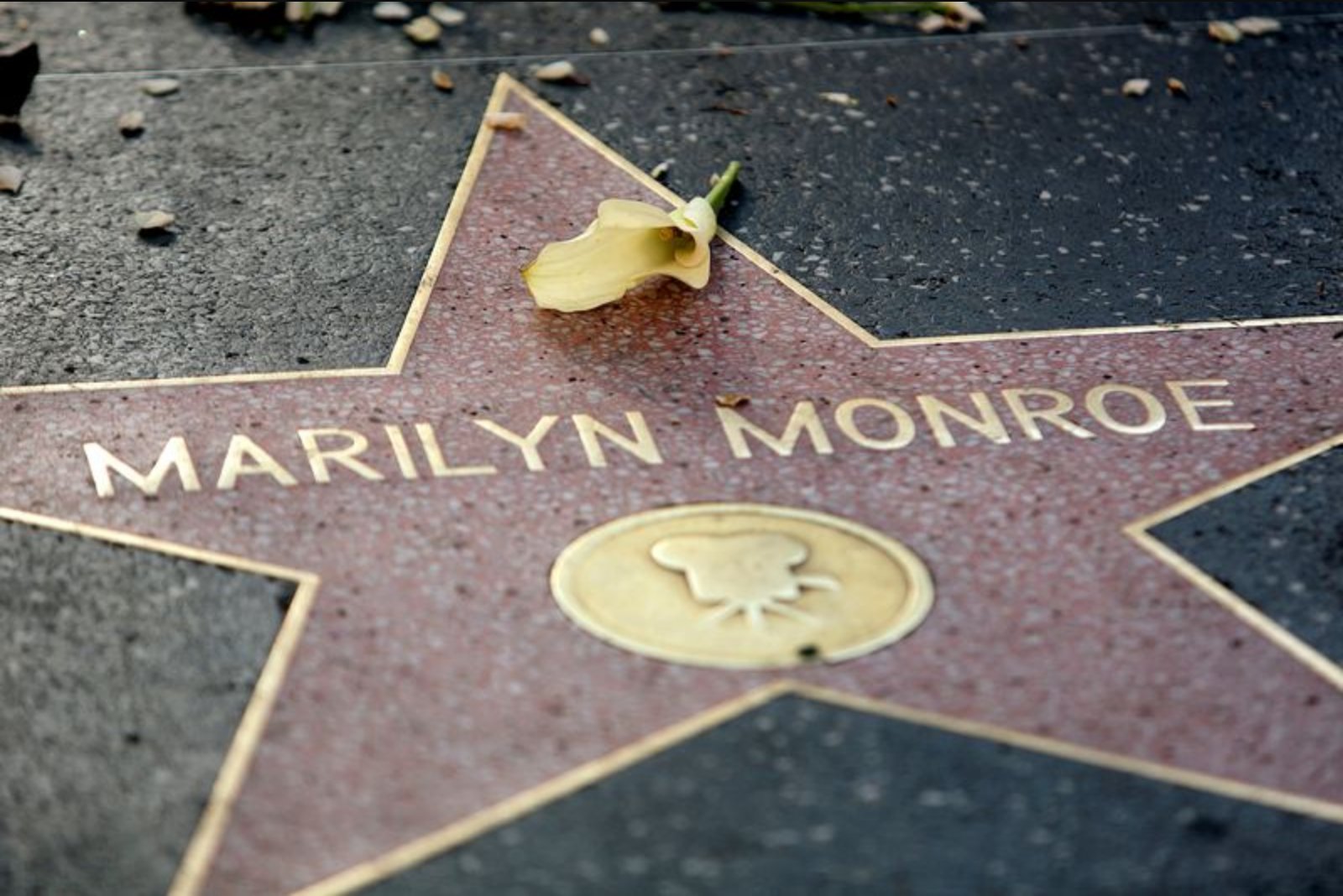
Memorabilia tied to Marilyn Monroe - ranging from costume jewelry and wardrobe items to private letters, handwritten notes, paintings and poetry - will be offered at public auction by Heritage Auctions on June 1. The sale draws on material from the estate of poets Norman and Hedda Rosten, who were described as close friends and confidants of Monroe.
The auction opening coincides with what would have been Monroe’s 100th birthday. The items presented for bidding date from 1955 to 1962, capturing a period that included both professional milestones and deeply personal episodes in the actress’s life.
Brian Chanes, senior director of Hollywood and entertainment at Heritage Auctions, emphasized the enduring appeal of Monroe during a preview of the collection. “Marilyn is just an icon,” he said, adding that fans continue to hold a strong attachment to her image and legacy.
Organizers highlighted that several documents in the sale have not been previously available to the public. According to Heritage, these papers illuminate aspects of Monroe’s inner life, addressing her romantic relationships, anxieties about a lost pregnancy and contemplations of mortality. Chanes described the appearance of these materials as a discovery, noting that they have not circulated in the marketplace over the decades.
Included among the offerings are correspondence from Monroe’s ex-husband, playwright Arthur Miller, which the auction house said reveals emotional complexity within their marriage. Also part of the collection is an unseen letter from Monroe’s psychiatrist that recounts the day before her death. Such items underscore the personal and sensitive nature of much of the material up for bid.
Chanes pointed to a particularly poignant document from the time Monroe was filming the movie Some Like It Hot. Written on Hotel del Coronado stationery, the note contains an anguished plea for assistance as the actor’s struggles intensified during production. “Right before she was about to overdose and they had to halt filming, she wrote, ‘I feel like I’m drowning,’” Chanes recalled, noting that Monroe sketched a small stick figure submerged in water on the same sheet. The imagery and wording were presented as evidence of the mental health challenges she faced during that period.
Beyond the letters and notes, the auction will offer artifacts Monroe once owned or used - from pieces of costume jewelry to artwork she kept. Chanes framed the collection as an opportunity for buyers to obtain intimate objects that offer direct connection to Monroe’s private world.
Heritage Auctions has opened bidding to the public for the materials drawn from the Rostens’ estate. The sale’s timing and the presence of previously unseen documents are central features emphasized by the auction house as they present the items to potential collectors and the broader public.
Summary
Heritage Auctions will sell personal items and newly surfaced documents tied to Marilyn Monroe from the estate of Norman and Hedda Rosten on June 1. The collection, covering 1955 to 1962, includes wardrobe pieces, jewelry, paintings, poetry and private correspondence that sheds light on Monroe’s relationships, health concerns and reflections on mortality.
Key Points
- The auction features a wide range of Monroe-related items - wardrobe, jewelry, paintings, poetry and previously unseen personal papers - and bidding opens June 1 to coincide with her centennial.
- The materials come from the estate of poets Norman and Hedda Rosten, described as close friends and confidants of Monroe; items span 1955 through 1962.
- Sectors likely affected include the collectibles and auction markets, and the entertainment memorabilia segment where provenance and rarity drive interest and pricing.
Risks and Uncertainties
- The collection contains documents that have not been publicly seen before, creating uncertainty about how these revelations will affect public perception and collector demand in the memorabilia market.
- Several items relate to deeply personal and sensitive matters - including a psychiatrist’s letter describing the day before Monroe’s death and correspondence about marital dynamics - which may raise ethical or legal questions about sale and display.
- Because the materials cover a concentrated historical period, their condition and completeness could influence valuation, creating variability in auction outcomes for bidders and market observers.
Disclosure