
Pope Leo used an anniversary address to appeal for divine guidance aimed at reducing international tensions and curbing hatred, asking faithful to join him in prayer that governments would choose peace over violence. The appeal came as the pontiff marked one year as head of the Catholic Church and a day after a Vatican meeting with U.S. Secretary of State Marco Rubio.
Speaking in Pompei - a contemporary city roughly 245 km (152 miles) south of Rome and near the well-known ruins left by a volcanic eruption - the pope said he would add his prayers that God begin "touching hearts, calming rancour and fratricidal hatreds, and enlightening those who have special responsibilities of government." He framed the plea around a hope that leaders would move away from violent approaches to international disputes.
The meeting with Rubio on Thursday came amid strained ties with Washington. The pope has in recent weeks drawn the ire of U.S. President Donald Trump after criticizing the Iran war, and Trump has repeatedly disparaged the pontiff on social media. Vatican officials said after the Rubio visit that both men had pledged to work on improving bilateral relations - a development insiders described as an unusual acknowledgment of what they called unprecedented tensions.
The U.S. embassy to the Holy See posted on X after the meeting that Leo and Rubio had discussed "topics of mutual interest in the Western Hemisphere." The exchange and the subsequent statement followed a day in which the new pope spoke publicly about the peril facing world peace.
Born Cardinal Robert Prevost, Leo was elected by the world’s cardinals to succeed the late Pope Francis as leader of the 1.4-billion-member Church on May 8, 2025. Prevost, who spent decades as a missionary and as a bishop in Peru before becoming pope, maintained a relatively low public profile during his first ten months in office but has more recently chosen to speak forcefully against war and despotism.
Addressing thousands gathered in Pompei’s main square, the pontiff warned that world peace is "endangered by international tensions and by an economy that prefers the arms trade to respect for human life." He urged the public not to grow accustomed to scenes of conflict and suffering, saying: "We cannot resign ourselves to the images of death that the news shows us every day."
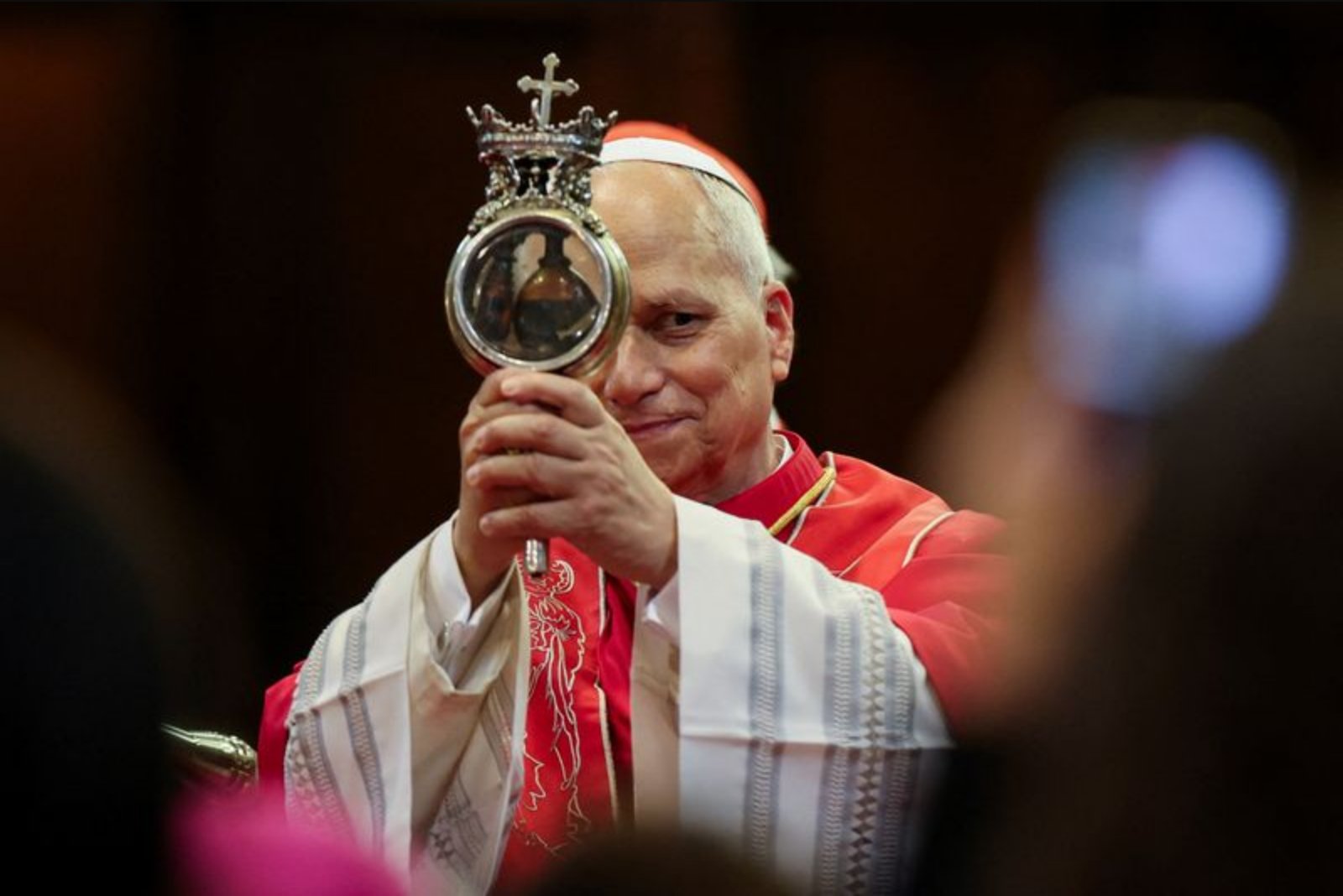
Later on Friday the pope traveled to Naples, Italy’s third-largest city, where he commended local organizations that have been assisting refugees arriving from Gaza. In Naples he called on residents to "continue to give voice ... to a culture of peace, countering the logic of confrontation and the force of arms as the presumed solution to conflicts."
The pope's comments underscore his recent emphasis on peace and humanitarian concerns while his Vatican has navigated a tense relationship with U.S. officials. For now, the appeals were presented as spiritual requests for divine intervention to alter the conduct of political leaders and to temper international animosities.