
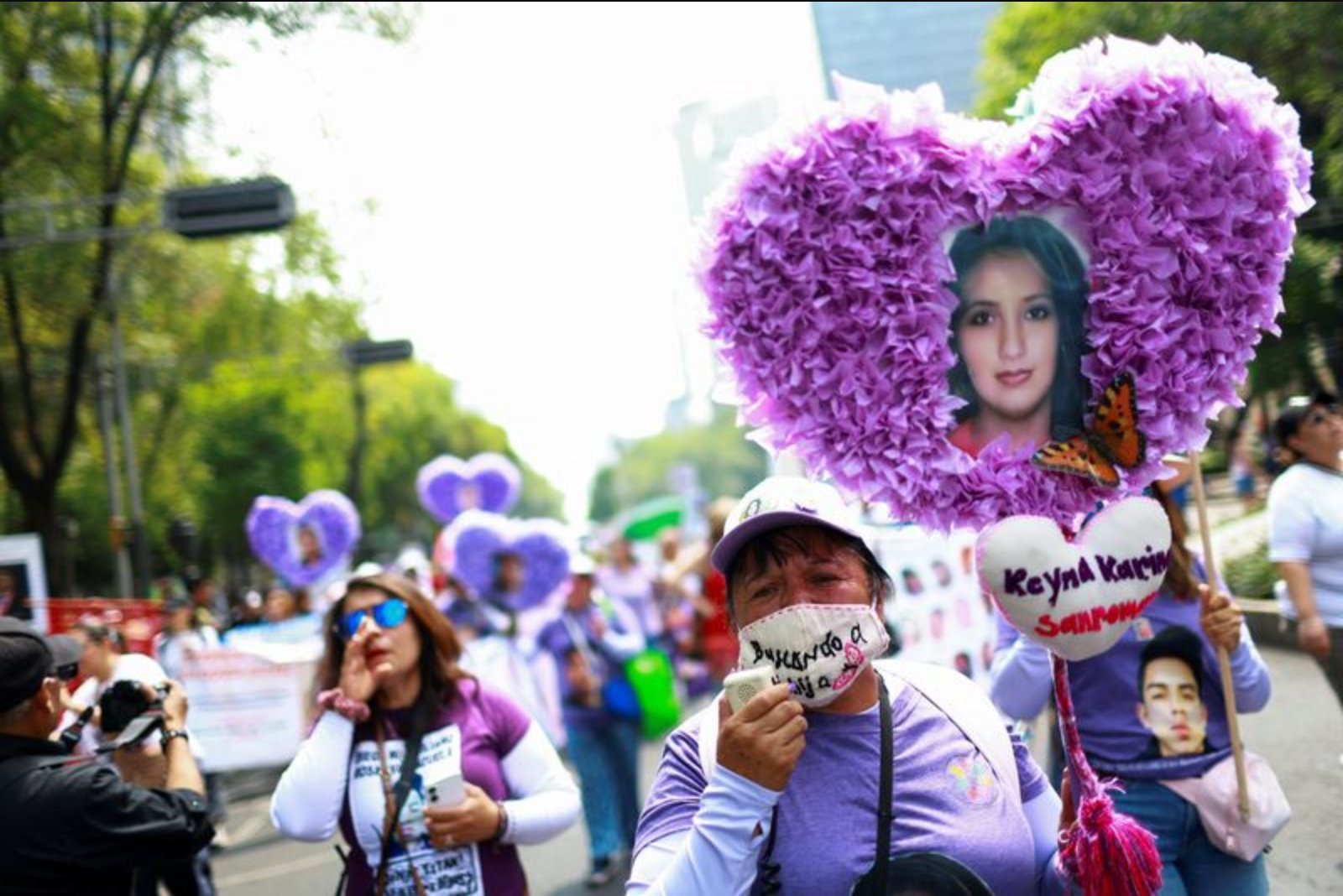
Thousands of demonstrators, led by groups of mothers whose relatives have vanished amid Mexico’s prolonged drug-related violence, staged a Mother’s Day march in the capital on Sunday. The protesters demanded justice and highlighted the persistent impunity they say plagues the country at a time when Mexico is preparing to co-host the FIFA World Cup.
Collectives of mothers who undertake an annual march on Mother’s Day issued a public appeal asking soccer fans to join them. In a statement released ahead of the march they said, "there is nothing to celebrate, because the mothers of Mexico are playing the most difficult match: the one for justice." The demonstrators were vocal as they moved down Paseo de la Reforma, carrying banners and placards marked with photographs of missing relatives.
Chanting "Mexico, champion in disappearances," the marchers passed a roundabout ringed by metal barriers that are permanently covered with images of the disappeared. The protestors paused, held up portraits of those who are missing and emphasized the personal and national anguish tied to the unresolved cases.
Among those who spoke was Graciela Perez Rodriguez, who described how she and her family were forced into activism. "We had to start fighting, because no one wanted to take charge of the disappearance (case)," she said. Perez Rodriguez’s daughter and four other relatives went missing in 2012 in the northern state of Tamaulipas while traveling on a highway after a trip to the U.S.
Mexico has more than 130,000 people listed as missing, according to official counts, with disappearances rising sharply after 2006 - the year the country launched its war on drug cartels. The demonstration underscored accusations that police and other government officials are often implicated in these crimes, and highlighted the dangers faced by mothers who conduct independent searches when authorities do not act. The article’s reporting notes that such mothers are sometimes targeted by criminal groups and killed.
Earlier this year in March, Mexican authorities reported that a review of the national registry of missing persons had potentially identified more than 40,000 people previously listed as disappeared who may in fact be alive, after cross-referencing other government records showed some activity. Separately, the public policy group Mexico Evalua reported a 200% increase in disappearances over the past decade, attributing that rise to the growing power of organized crime groups.
For Perez Rodriguez, the passage of almost 14 years since her relatives vanished has sown fear that their case will slip from official priorities. "We feel this emptiness," she said, articulating a grief and frustration echoed by many of those who took part in the march.
Context and ongoing concerns
The Mother’s Day demonstration combined personal testimony and public protest, drawing attention to unresolved disappearances, allegations of official complicity, and the human toll of criminal violence. The marchers framed their appeal for justice against the backdrop of national and international events, asking that the country’s struggles with impunity be acknowledged as it assumes a prominent role on the global sporting stage.