
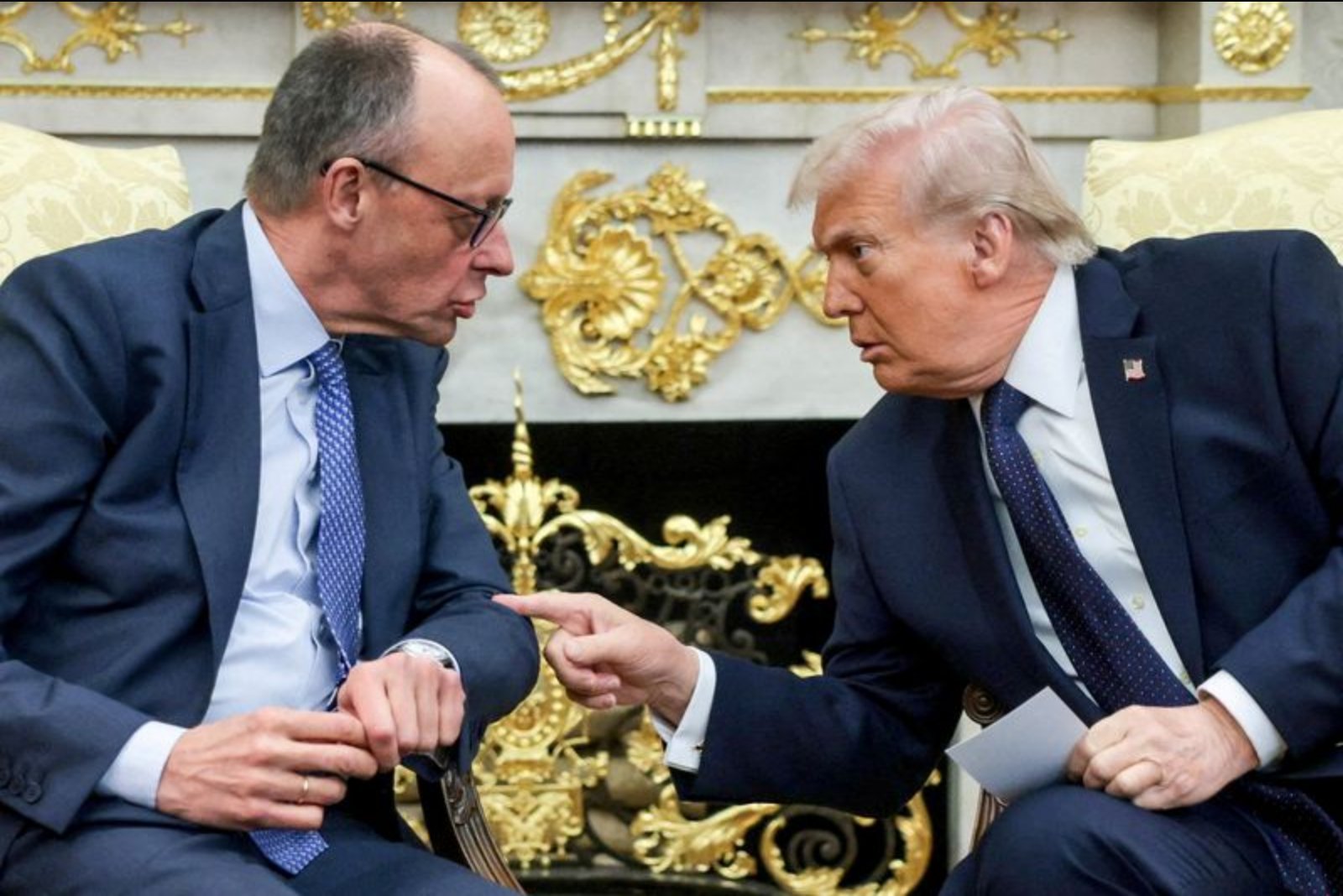
German Chancellor Friedrich Merz said on May 9 in Stockholm that Europe wants to keep NATO functioning as a credible collective defence alliance despite the strains that have emerged with the United States over the war with Iran. Speaking at a joint press conference with Swedish Prime Minister Ulf Kristersson, Merz acknowledged differences between allies but underscored a common goal shared by Europe and the U.S.
"We are really willing to keep this alliance alive for the future," Merz said, adding that the accession of Sweden and Finland had strengthened the European component of NATO. He framed the core objective in stark terms: to bring the conflict to an end and to ensure Iran is unable to develop nuclear weapons. "And this goal is a common goal between America and Europe," he said.
Merz's remarks come amid heightened tensions between the administration of U.S. President Donald Trump and European NATO partners. Those tensions, already elevated over issues including defence spending and immigration policy, intensified after some European countries, Germany among them, declined to back the U.S. and Israeli military campaign against Iran that began at the end of February.
After Merz used the term "humiliating" last month to describe Iran's actions toward the United States, Trump responded by ordering a withdrawal of 5,000 U.S. troops and cancelling plans to deploy long-range Tomahawk missiles. Merz said the central challenge was not simply the number of troops deployed but maintaining a unity of purpose among allies. "We are remaining interested and highly interested in having the American army and the American military support on our side," he said, noting that this objective is shared and currently being pursued.
Merz also addressed the broader security environment facing Europe. In an earlier speech on the same day he characterized Russia as posing an imminent danger to the continent, and he said European nations - including Germany - are investing billions to rebuild military capabilities after decades of underinvestment, in response to perceived threats from Moscow.
The chancellor commented on diplomatic sensitivities linked to Russia's commemoration events. Speaking as Russian President Vladimir Putin attended a Moscow parade marking the Soviet Union's victory in World War Two, Merz said he was disappointed by reports that Slovakian Prime Minister Robert Fico had decided to attend the parade and that he planned to raise the subject directly with Fico. According to reports, Fico did travel to Moscow but did not attend the parade itself.
The statements by Merz reflect ongoing diplomatic efforts within Europe to preserve NATO's cohesion while navigating disagreement with the United States over the Iran conflict. The balance being sought emphasizes both maintaining allied unity and pursuing aligned objectives on non-proliferation and conflict resolution.