
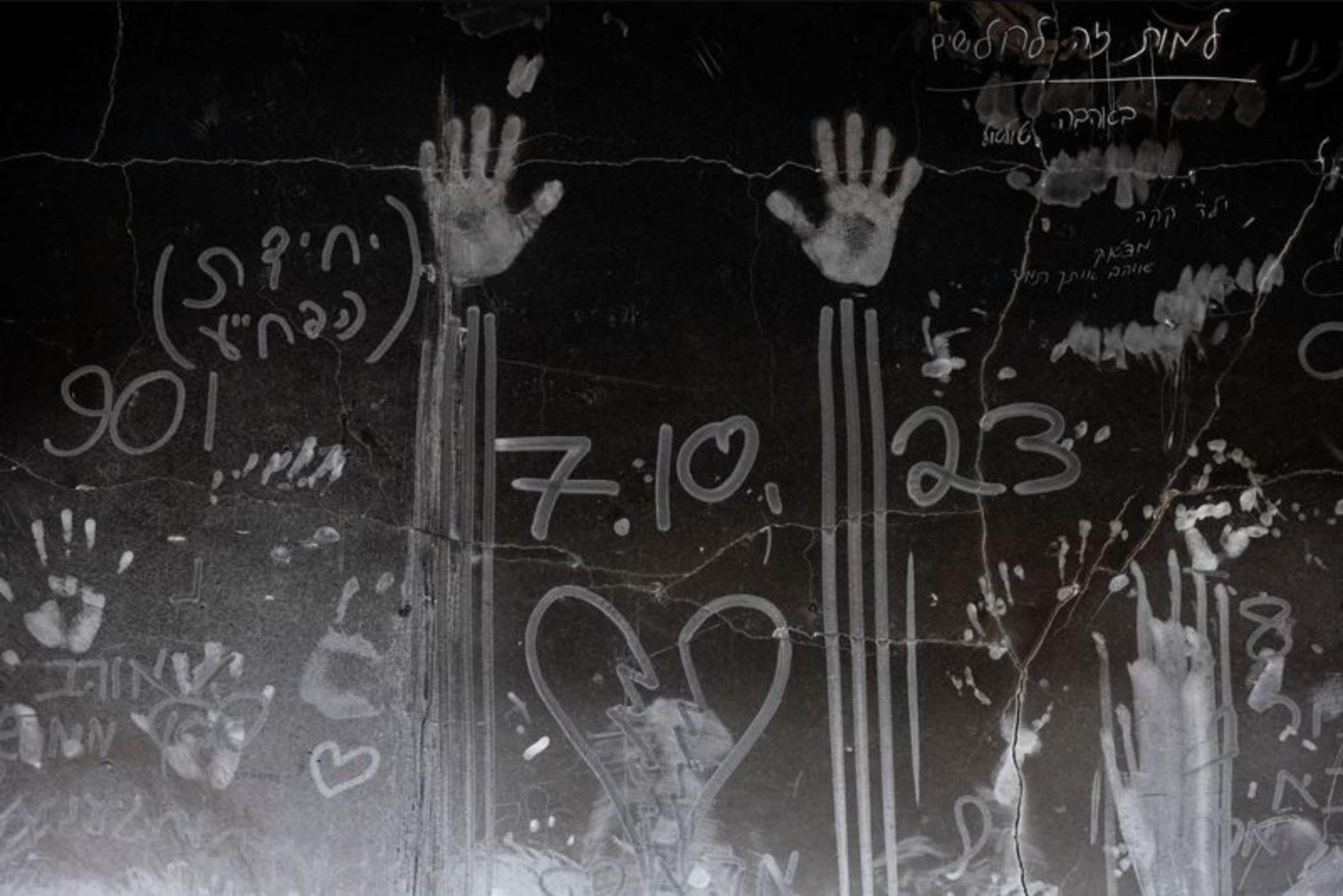
Israel's legislature late on Monday enacted a law that sets up a dedicated military tribunal to prosecute scores of Palestinian militants tied to the October 7, 2023 assault on Israel, a move described by lawmakers as part of the nation's effort to confront and move past a traumatic episode.
The October 7 operation, led by elite Nukhba fighters from Hamas, is described as the deadliest single day in Israel's history and the worst attack on Jews since the Holocaust. At least 1,200 people were killed on that day, most of them civilians. The militants forced their way across the Gaza border and carried out coordinated raids across southern Israeli towns, military bases, roads and a music festival. In addition to the killings, fighters took 251 hostages back to Gaza.
In response to the assault, Israel mounted an offensive in the Gaza Strip that the article states resulted in the deaths of more than 72,000 Palestinians, most of them civilians, and left extensive destruction across the enclave.
Israeli authorities have been holding an estimated 200-300 fighters who were captured during the October 7 incursion; the precise number remains classified. Those detainees have not yet been formally charged. The newly created special military court - to sit in Jerusalem and be overseen by a three-judge panel - is empowered to try these fighters and potentially others captured later in Gaza who are suspected of participating in the attack or of involvement in the detention or abuse of Israeli hostages.
The bill drew broad support across the political spectrum, passing with 93 votes in the 120-seat Knesset. Supporters framed the legislation as a mechanism to ensure that alleged assailants are held accountable under existing Israeli criminal law for offenses described in the bill as crimes against the Jewish people, crimes against humanity and war crimes.
Under the new rules, the special court's hearings will be public, with major sessions broadcast live. Defendants are required to appear in person only at key hearings; other proceedings may be attended by defendants via video link. The legislation makes a point of allowing surviving victims to attend in person.
Legal scholars and rights experts noted concerns about the structure of the process. Ya'ara Mordecai, an international law specialist at Yale Law School, is cited as warning that the military court setting raises due process questions and poses a risk that high-profile atrocity cases could become politicized or function as symbolic "show trials."
Among the lawmakers who helped craft the bill was Yulia Malinovsky, who told colleagues before the vote that the law provides for fair and lawful adjudication. She said sentences will be handed down by Israel's judges rather than by public anger, adding that national resilience and the rule of law define the country's response to the pain caused by the attack.
The statute preserves the availability of capital punishment for some of the charges likely to be brought against the militants under Israel's penal code. If a death sentence is imposed, the law mandates an automatic appeal on the defendant's behalf.
The last execution carried out by Israel was that of Adolf Eichmann, a chief organizer of the Nazi Holocaust, who was hanged in 1962 after his capture in Argentina. The article notes that military courts operating in the occupied West Bank technically have the power to sentence Palestinian convicts to death but have not applied such sentences.
A separate law enacted by Israel in March, which sets death by hanging as the default punishment for Palestinians convicted in military courts of deadly attacks, drew criticism domestically and internationally. That March law is reported to be expected to be struck down by the country's Supreme Court.
Hamas condemned the new legislation. Hazem Qassem, a Hamas Gaza spokesperson, said the law "serves as a cover for the war crimes committed by Israel in Gaza."
The international legal arena remains active on the Gaza war, with the International Criminal Court conducting a probe into Israel's actions during the conflict. The ICC has issued arrest warrants for Prime Minister Benjamin Netanyahu and former Defence Minister Yoav Gallant, as well as for three Hamas leaders who have since been killed by Israeli forces. Separately, Israel is defending itself against a genocide case at the International Court of Justice. The Israeli government rejects the allegations as politically motivated and maintains that its military campaign targets Hamas rather than the Palestinian population.
Procedural and legal specifics
The statute defines the jurisdiction and format of the special military court, emphasizing public transparency through live broadcasts of major hearings while also permitting significant use of video participation for defendants. The law allows victims to attend key hearings in person, reflecting lawmakers' intent to balance visibility and victims' access with security and procedural considerations.
Political consensus and debate
The 93-strong majority in the 120-member Knesset underscores an unusual degree of political agreement on the response to the October 7 attacks. Authors of the bill included members from both the governing coalition and the opposition. Supporters argued the law provides a path to legal accountability under Israel's criminal statutes for grave offences committed on that day. Critics and some legal experts have raised the prospect of due process tensions arising from the military tribunal setting.
International and legal fallout
The law arrives amid continuing international scrutiny of the conduct of the Israel-Gaza war, including proceedings at the ICC and litigation at the International Court of Justice. Those processes, and the recent March legislation regarding default capital punishment in military courts, have drawn intense criticism and legal challenge, according to the article.