
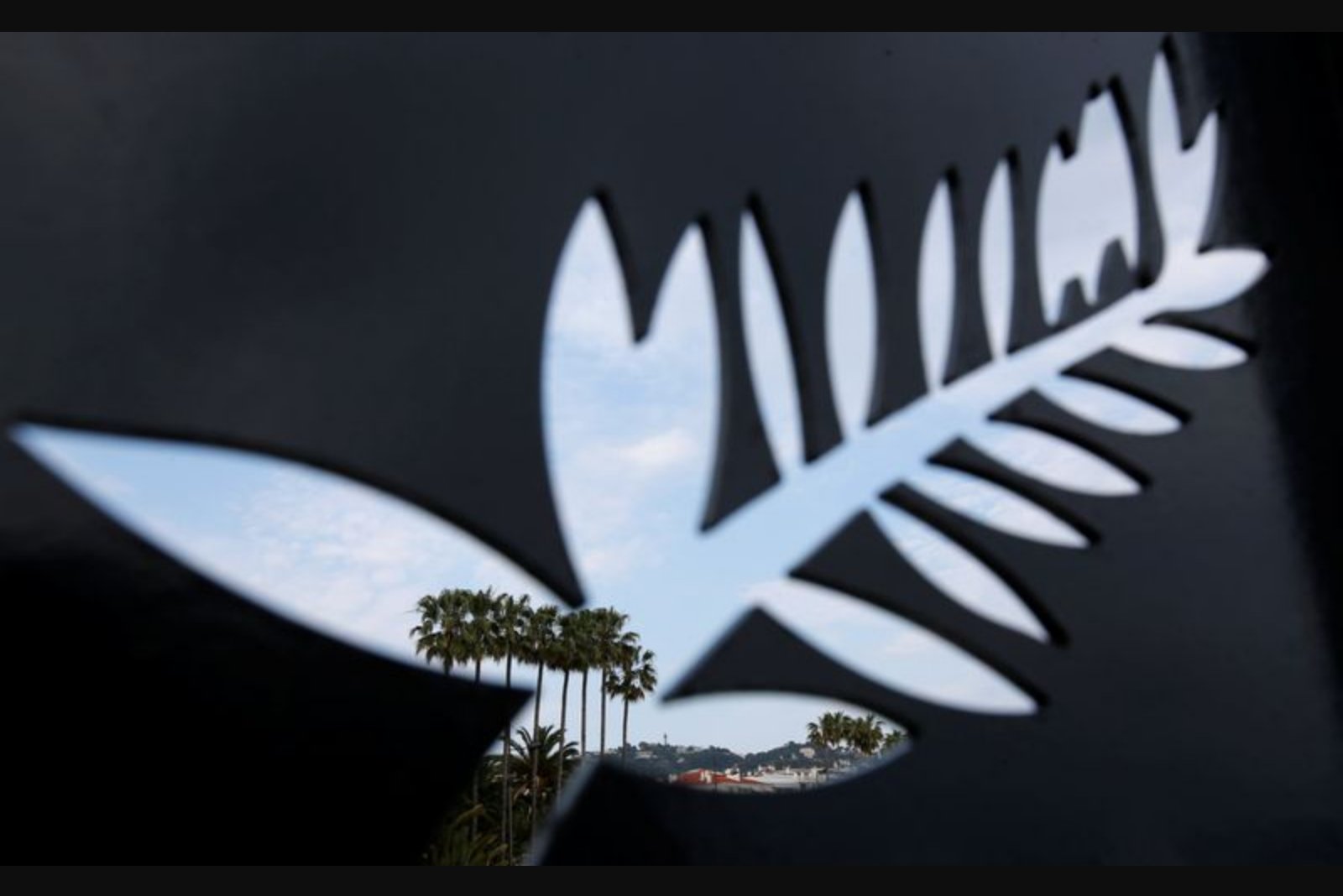
The Cannes Film Festival’s competition this year is shaped less by Hollywood blockbusters and more by independent auteurs and a diverse set of stories, ranging from wartime narratives to explorations of grief and artificial intelligence. Major studios have refrained from bringing large-scale releases and the customary red-carpet extravaganzas, leaving the Palme d’Or race unusually open.
While the festival will not showcase the franchise-style rollouts that have previously used Cannes as a launch pad, it still draws high-profile names. Barbra Streisand will receive a lifetime achievement award and John Travolta will present his first film as a director. The combination of high-profile individuals and an indie-heavy competition has created a distinctive atmosphere.
An open field
A panel of 22 films is competing for the Palme d’Or, with well-known independent filmmakers among the entrants. The roster includes Pedro Almodovar and Laszlo Nemes, both of whom are established figures in international cinema. Scott Roxborough, European correspondent for The Hollywood Reporter, said on Monday that the absence of clear frontrunners makes the festival more intriguing because the outcome is less predictable.
Two directors with recent critical acclaim have offered French-language family dramas to the lineup. Iran’s Asghar Farhadi has contributed "Parallel Tales," which features Isabelle Huppert as a nosy neighbour, while Japan’s Ryusuke Hamaguchi has entered "All Of a Sudden," a film that addresses elderly care. Both films add to the festival’s emphasis on intimate, character-driven storytelling.
Notable U.S. and international entries
From the United States, James Gray’s "Paper Tiger" reunites Scarlett Johansson and Adam Driver, pairing them again after their collaboration in 2019’s "Marriage Story." Ira Sachs’ "The Man I Love" stars Rami Malek in a drama about HIV/AIDS in 1980s New York City. These selections reflect the festival’s continued interest in personal dramas with strong performances.
Past Palme d’Or winners are also back in the running. Romania’s Cristian Mungiu, who previously won the prize, returns with "Fjord," a family drama set in a remote Norwegian village that stars Renate Reinsve and Sebastian Stan. Mungiu posted on Instagram that, for him, selection at Cannes was already the best reward, writing: "This selection is the best reward we could get for our efforts since Cannes is the place in the world where cinema is the most respected."
Japan’s Hirokazu Kore-eda, another previous winner, has entered "Sheep In The Box," a film that examines grief alongside themes of artificial intelligence. Kore-eda won the Palme d’Or in 2018 with "Shoplifters." The inclusion of both directors underscores Cannes’ role as a showcase for auteurs seeking critical recognition.
Historical and political themes
Politics are present in several selections, though often filtered through historical settings. Lukas Dhont’s "Coward" is set during World War One and focuses on soldiers, while Laszlo Nemes’ "Moulin" centers on the French Resistance during the Nazi occupation. Emmanuel Marre’s "A Man Of His Time" is also set in Vichy France. Scott Roxborough observed that it is difficult for filmmakers to make definitive statements without those statements being swiftly overtaken by events, and he noted that festival organisers are intent on keeping attention on the cinematic work itself.
Opening night and the festival ecosystem
The festival opens with Pierre Salvadori’s "The Electric Kiss," a romantic comedy set in interwar Paris. Salvadori described the film as "an ode to fiction" and to cinema itself, adding: "In my own way, I try to offer a form of poetry or beauty." The tone of the opener signals an emphasis on filmic craft and on the aesthetic pleasures of cinema.
Alongside the competition, the film market will host a parallel creator economy event that draws influencers from YouTube and other social media platforms. Fashion figures will again be conspicuous along the Croisette, reflecting the festival’s ongoing intersection with luxury and style even as studio participation wanes.
The result is a Cannes that combines star presence and industry attention with a competition largely populated by independent cinema. With no obvious studio-backed contenders, the Palme d’Or race is expected to be competitive and unpredictable when the prize is awarded at the closing ceremony on May 23.