
Tourism focused on the Antarctic Peninsula remains a specialized segment of the travel market, fueled by affluent adventurers who cross oceans to see penguin colonies and to take 'polar plunges' near towering icebergs. But the sector's expansion is raising questions about the preparedness of existing governance frameworks to handle public health threats and environmental impacts in extremely remote regions.
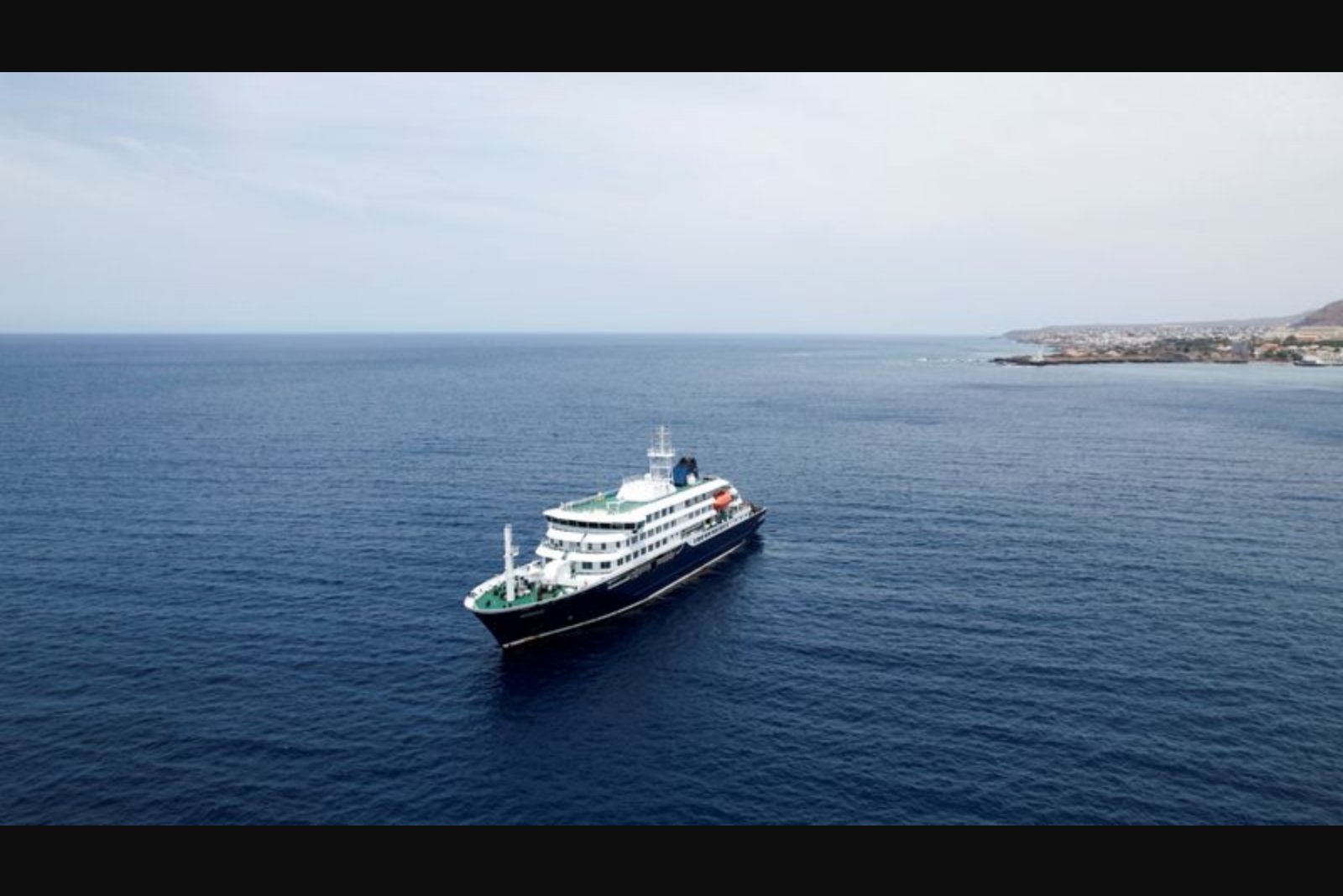
The issue was brought into sharp relief after an outbreak of a lethal hantavirus strain on the Dutch-flagged expedition ship Hondius. The vessel departed from the southern tip of Argentina, traversed the southern Atlantic and sailed north to the Cape Verde islands, and the World Health Organization confirmed five people had contracted the virus with another three suspected cases as of Thursday. Three people have died in the outbreak. A further suspected case was reported on Friday in a British national on Tristan da Cunha, a remote South Atlantic island where the ship stopped in April.
The timing of the outbreak coincides with preparatory talks among 29 countries meeting in Japan to review whether the Antarctic Treaty System - the existing framework that governs activity on the continent - requires stronger rules to oversee tourism. The meeting was scheduled before the Hondius incident and will evaluate whether more prescriptive regulation is needed beyond the current guidance, which already includes medical protocol recommendations and insurance requirements for operators in the region.
Industry observers and medical providers say the outbreak exposes a gap between present guidance and the realities of a growing tourist flow. "Definitely, now, after what’s happened, there’ll be a need to update their medical guidelines," said Amy White, a vice president at VIKAND Solutions, a company that supplies medical services to the maritime industry.
Scale and economics of Antarctic tourism
The Hondius voyage was marketed by Oceanwide Expeditions as an "Atlantic odyssey." Passengers on that and similar expeditions typically pay premium fares for extended trips that include activities such as camping, kayaking, snowshoeing and mountaineering. Company pricing on Oceanwide's website shows a Grande Suite with private balcony listed at 16,950 euros ($19,936.59) for a 12-night Antarctic Peninsula voyage later this year.
Visitor numbers have risen sharply. According to the International Association of Antarctica Tour Operators (IAATO), total visitors to Antarctica climbed from 37,000 in 2015 to more than 117,000 in 2025. In 2025, more than 80,000 of those visitors were on trips that permitted landings. Some experts forecast those numbers could quadruple over the next 10 years.
That scale of growth matters because Antarctic tourism is geographically concentrated, particularly along the Antarctic Peninsula coastline where seals and seabirds aggregate. In these locales, the transmission of invasive species and the spread of disease can occur rapidly if safeguards fail or are inconsistently applied.
Environmental and health pressures
Conservation specialists warn that Antarctic wildlife populations are already under pressure from climate change and may have reduced resilience to disease. "The more that we engage and pressurize that system, the more we will break down the natural safeguards of those populations," said Prishani Vengetas, a conservation veterinarian at the World Wildlife Fund.
Industry groups argue they maintain rigorous protocols. IAATO, an industry body, develops operational rules that include minimum approach distances between visitors and wildlife as well as mandatory disinfection of clothing and equipment before and after landings to avoid transferring invasive species. In response to an ongoing outbreak of avian flu in Antarctica, IAATO has strengthened its guidance.
"Antarctic tourism operates within a robust, science-informed framework designed to minimise impacts," IAATO Executive Director Lisa Kelley said in written responses to questions.
Oceanwide Expeditions declined to comment on its environmental protocols when asked by reporters and said it was focused on the medical situation onboard the Hondius.
Regulatory options and next steps
Under the Antarctic Treaty System, cruise operators must obtain permits and carry out environmental impact assessments. However, many of the rules applied during voyages are set by the industry itself. The upcoming Antarctic Treaty Consultative Meeting will consider whether governments should take a greater role in defining and enforcing standards for tourism operations.
Participants will weigh a range of measures. Claire Christian, executive director of the Antarctic and Southern Ocean Coalition, said the principal shortcoming is the absence of a plan to manage rapid growth. "I think the main gap is that there isn’t a plan for that growth," she said, adding that there is a case for more comprehensive and mandatory regulation.
Options on the table for the consultative meeting include mechanisms similar to entrance fees introduced in other sensitive destinations. Christian suggested mandatory entrance fees for Antarctica, modelled on approaches used in places such as Venice and the Galapagos Islands, could be considered to limit visitor numbers and provide funds for conservation. She cautioned, though, that the 29 participating nations - including Russia and the United States - would need to reach a shared agreement and any resulting policy changes would likely take years to finalize.
Implications for operators and conservation financing
The debate over whether to centralize and harden oversight of Antarctic tourism touches several economic sectors. Tour operators could face new compliance costs if mandatory medical guidelines, environmental standards or permit fees are introduced. Conservation efforts stand to benefit from any mechanism that redirects funds toward habitat protection and biosecurity measures. At the same time, the fisheries, shipping and insurance sectors could be affected by shifts in regulatory requirements for safety, liability and environmental risk mitigation.
For now, the Hondius outbreak has underscored the vulnerability of remote polar operations to public health incidents and has focused attention on whether existing voluntary and industry-led safeguards are sufficient to protect people and ecosystems as visitation rises.
($1 = 0.8502 euros)