
World March 24, 2026

German Foreign Minister Calls U.S. Claim of Talks With Iran a Potential Turning Point

Johann Wadephul describes tentative progress after U.S. announcement of conversations with Iran amid conflicting statements

By Jordan Park
German Foreign Minister Calls U.S. Claim of Talks With Iran a Potential Turning Point

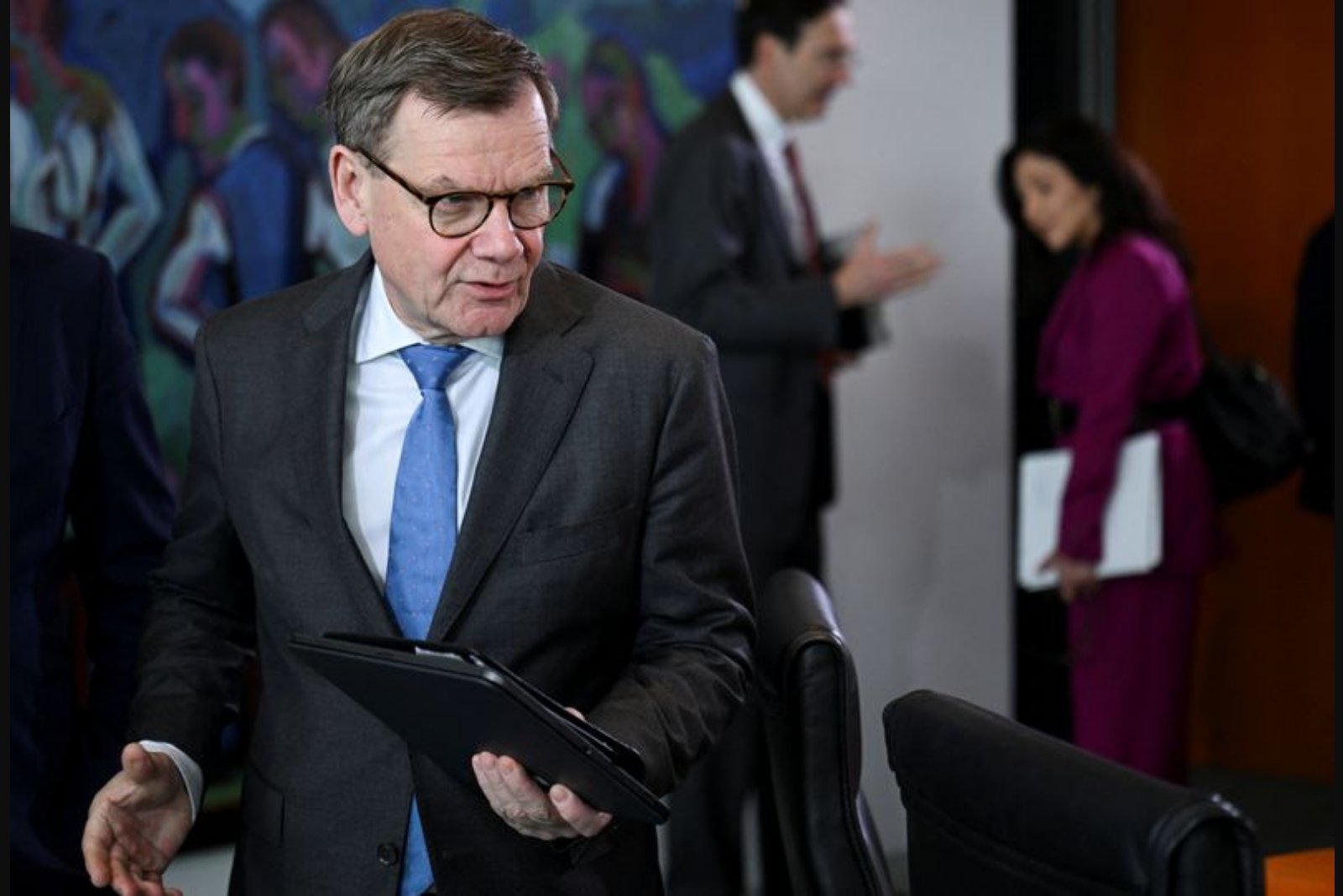
Germany's foreign minister said he views U.S. President Donald Trump's announcement about discussions with Iran as a potential turning point in the nearly month-long Middle East conflict. The U.S. president posted that Washington and Tehran held "very good and productive" talks aimed at a "complete and total resolution of hostilities in the Middle East", while Iran has denied any negotiations took place. Minister Johann Wadephul cited the postponement of threatened strikes on Iranian power plants as a reason to believe the talks were serious and described the development as a fragile but welcome start.

Key Points

  • Germany's foreign minister Johann Wadephul views President Trump's announcement about talks with Iran as a potential turning point in the nearly month-long conflict.
  • President Trump posted that the U.S. and Iran held "very good and productive" conversations about a "complete and total resolution of hostilities in the Middle East", while Iran has publicly stated no negotiations took place.
  • Wadephul cited the postponement of a threatened U.S. attack on Iranian power plants as a basis for believing that serious talks occurred and described the development as a fragile beginning that requires collective effort to sustain. - Sectors potentially affected include diplomacy, security, and energy.

BERLIN, March 24 - Germany's foreign minister said on Tuesday that he regarded U.S. President Donald Trump's public statement about conversations with Iran as a possible turning point in the conflict that has persisted for nearly a month.

Foreign Minister Johann Wadephul told broadcaster MDR that "something is happening, and that’s a good thing in this time when there have been more risks of escalation than possibilities of bringing this conflict under control."

In a post on his Truth Social platform on Monday, President Trump wrote that the United States and Iran had held "very good and productive" conversations about a "complete and total resolution of hostilities in the Middle East". Iran, however, has said no negotiations took place.

Wadephul said he believed the conversations reported by the U.S. president were serious, arguing that "otherwise he wouldn’t have said it that way" and that the United States would not have postponed its threatened attack on Iranian power plants if there had not been substantive engagement.

Reflecting on the development, Wadephul characterized the situation as delicate. "It’s a fragile beginning, but it’s a start nonetheless," he said. He added that efforts should be made to nurture the nascent progress so that "there’s a way to control this conflict."


The minister's remarks underscore the contrasting public accounts from Washington and Tehran: one describing productive dialogue and the other denying that any talks occurred. Wadephul pointed to concrete government actions, specifically the decision to delay military action against energy infrastructure, as part of his assessment that the U.S. statement reflected genuine diplomatic engagement.

While he portrayed the moment as a potential opening toward de-escalation, Wadephul emphasized the tentative nature of the development and called for collective efforts to consolidate any emerging diplomatic progress.


Given the limited and conflicting public statements from the parties involved, questions remain about the scope and durability of any accords or understandings that may have been discussed. The foreign minister framed the situation as an initial step that requires careful follow-through to translate into sustained conflict control.

Risks

  • The progress described by the U.S. president and interpreted by the German foreign minister is fragile and could fail to produce durable de-escalation, which would affect regional security and diplomatic efforts.
  • Conflicting public statements between the United States and Iran about whether talks occurred create uncertainty about the scope and authenticity of any agreements, posing risks to trust-building and follow-through in diplomatic channels.
  • The postponement of threatened strikes on Iranian power plants indicates temporary restraint, but without further confirmed, sustained negotiations there remains a risk of renewed escalation affecting energy infrastructure and regional stability.

More from World

Hospital Strike in East Darfur Leaves 70 Dead; WHO Says Medical Centre Disabled Mar 24, 2026 Confirmed Deaths Across the Middle East After U.S. and Israeli Strikes on Iran: Reported Totals as of March 23 Mar 24, 2026 U.S. Pushes for Iran Deal as Israeli Officials Doubt Success Mar 24, 2026 Steinmeier Says Trump’s Second Term Represents a Break in Transatlantic Relations Mar 24, 2026 Overnight Russian Drone and Missile Strikes Kill Three, Damage Buildings in Ukraine Mar 24, 2026