
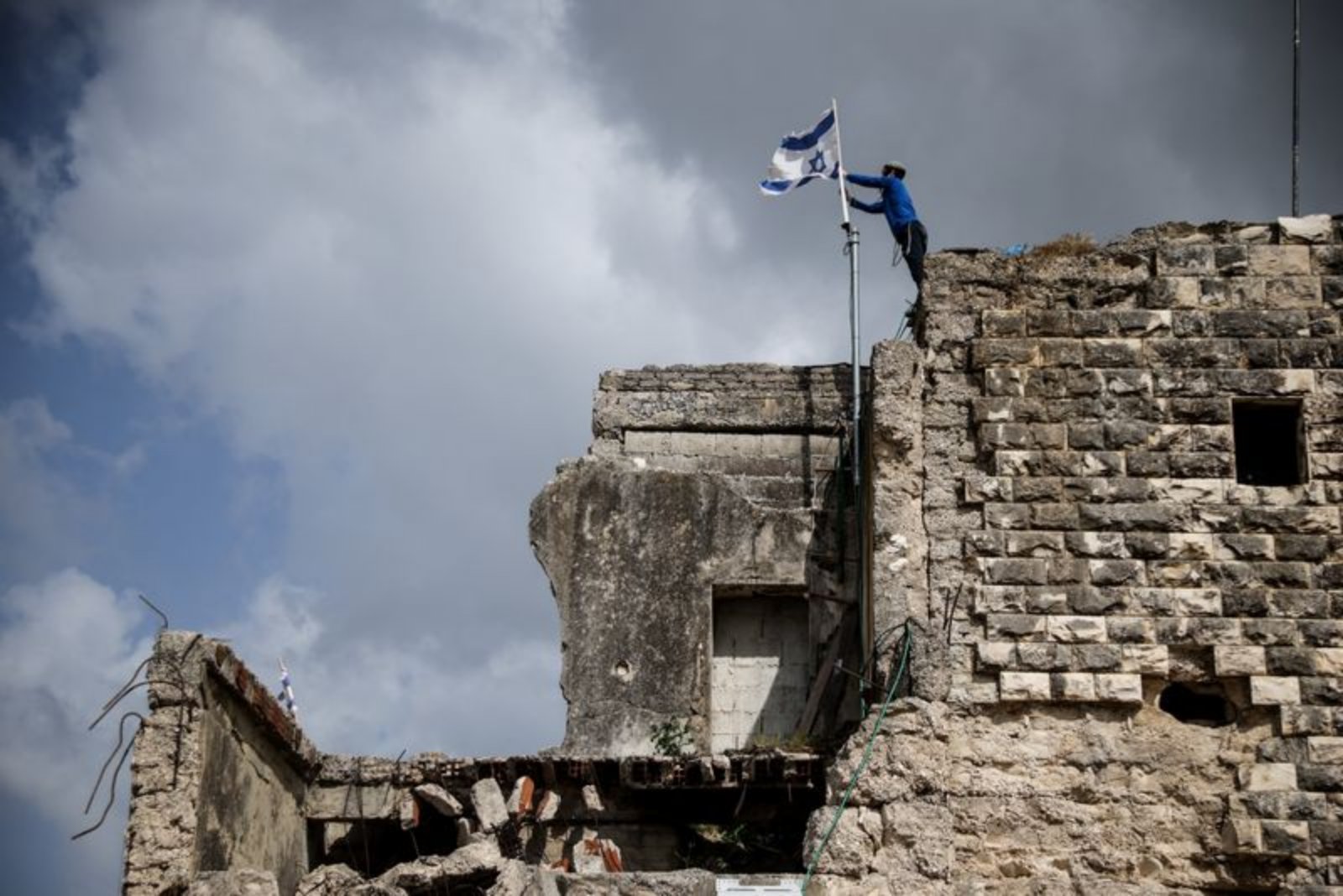
Summary: European Union foreign ministers have reached consensus on a sanctions package aimed at violent Israeli settlers in the occupied West Bank and senior Hamas figures. The measures, agreed in Brussels on May 11, target three individual settlers and four settler organisations whose names have not been released publicly. The package had been stalled for months by the prior Hungarian government, which lost an election last month. The move follows mounting concern among European governments about reports of increasing settler violence against Palestinians. EU foreign policy chief Kaja Kallas framed the agreement as breaking a stalemate and insisted that extremism and violence must have consequences. The decision was criticized by Israel's foreign minister, who called it arbitrary and morally distorted, and by a senior Hamas official who described the EU position as hypocritical.
Details of the agreement
EU foreign ministers concluded their discussions on Monday and endorsed the sanctions package directed at violent settlers in the occupied West Bank as well as at leading members of Hamas. The package is specific in scope: it is said to single out three settlers and four settler organisations, but official identities remain undisclosed at this time.
The measures had been delayed for months because the previous Hungarian government blocked progress. That government has since lost an election last month, after which the path toward approval reopened.
Reactions from leaders
EU foreign policy chief Kaja Kallas posted on X that "It was high time we move from deadlock to delivery," and added that "Extremisms and violence carry consequences."
Israel's foreign minister, Gideon Saar, responded on X with strong criticism, saying the EU had "chosen, in an arbitrary and political manner, to impose sanctions on Israeli citizens and entities because of their political views and without any basis." He added: "Equally outrageous is the unacceptable comparison the European Union has chosen to make between Israeli citizens and Hamas terrorists. This is a completely distorted moral equivalence."
A senior Hamas official, Basem Naim, also condemned the EU decision, accusing ministers of political hypocrisy and racism. He stated that the EU "equates a fascist executioner who boasts of committing genocide and ethnic cleansing, a rogue state that violates every international law, with the victim who defends itself according to all laws and statutes," and voiced his opposition to the sanctions.
Context noted by EU governments
European governments have raised concerns about a reported increase in settler violence against Palestinians in the West Bank, a factor cited in support of the decision to impose targeted measures. The sanctions are presented by EU officials as a response to that trend and as an outcome of renewed consensus after the previous blocking vote was lifted.
What remains undisclosed
The identities of the three individuals and four organisations designated under this package have not been made public. The article does not provide further detail on the specific legal or financial measures included in the sanctions or on timelines for implementation.
Key points
- EU foreign ministers approved sanctions targeting violent Israeli settlers in the occupied West Bank and senior Hamas figures; three individuals and four organisations are named but not publicly identified. - Sectors potentially impacted: government and diplomacy; regional security; markets sensitive to geopolitical risk.
- The sanctions package had been blocked for months by the previous Hungarian government, which lost an election last month, enabling the vote to proceed. - Sectors potentially impacted: EU political affairs and policy-making processes.
- The decision elicited strong criticism from Israel's foreign minister and a senior Hamas official, highlighting heightened diplomatic tensions. - Sectors potentially impacted: international relations and political risk assessments that can affect investor sentiment.
Risks and uncertainties
- Diplomatic strain between the EU and Israel: The Israeli foreign minister characterized the sanctions as arbitrary and equating Israeli citizens with terrorists, indicating a risk of increased diplomatic friction.
- Escalation in rhetoric and polarization: Statements from both Israeli and Hamas officials show sharply divergent reactions, creating uncertainty about diplomatic engagement and regional tensions.
- Political volatility within the EU: The package was delayed by a previous Hungarian government and only advanced after that government lost an election last month, underscoring how domestic political dynamics can affect EU external policy-making.
Note on limitations
The identities of the targeted settlers and organisations have not been disclosed in the available information, and further specifics on the sanctions' provisions and implementation timelines were not provided.