
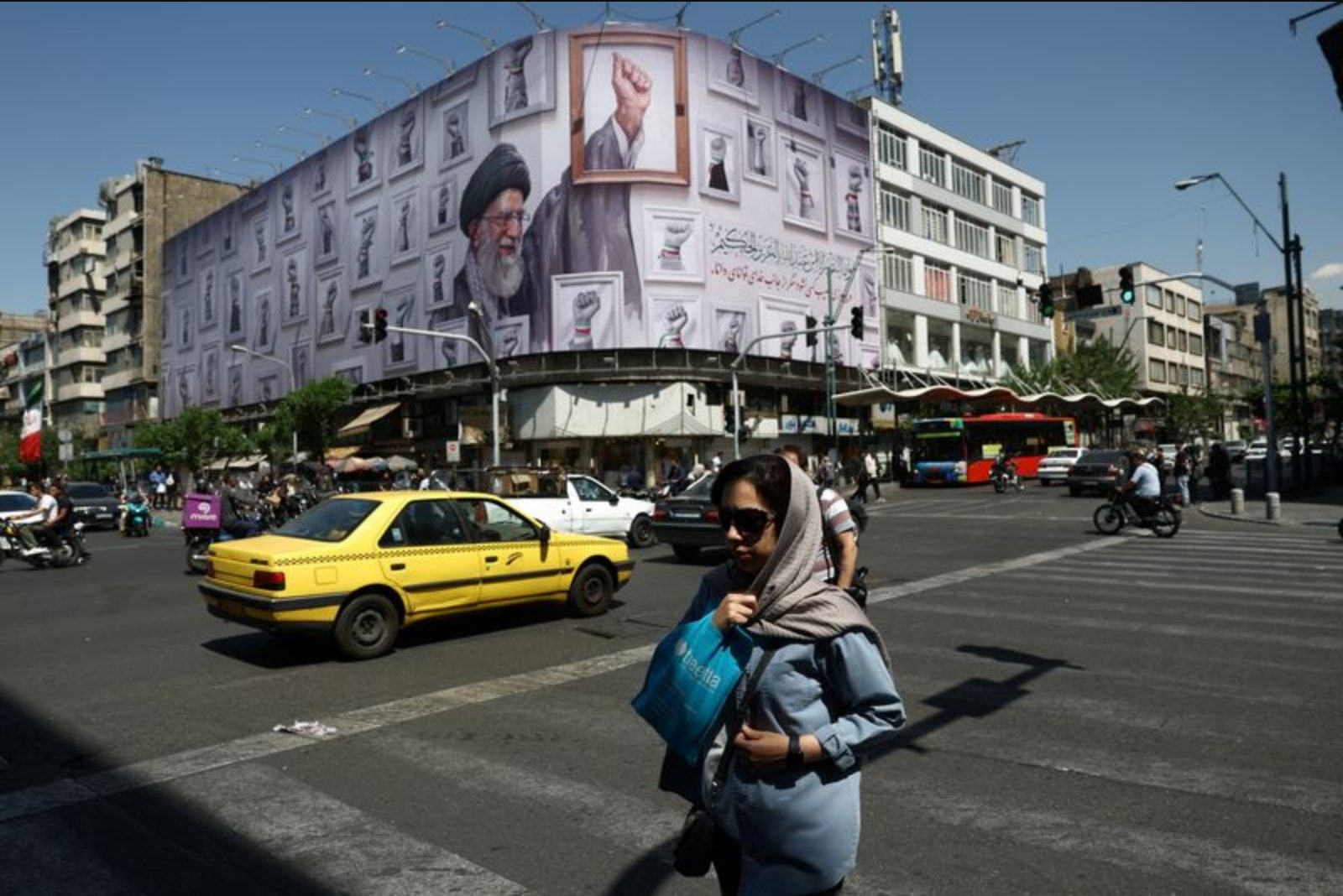
Hopes for a durable peace arrangement involving Iran took a sharp turn downward after President Donald Trump characterized Tehran’s written reply to a U.S. proposal as unacceptable. The response from Iran contained a package of conditions that, according to the U.S. president, imperil the ceasefire that has been in place since April 7.
In public remarks, Mr. Trump said the Iranian note was - in his words - "a piece of garbage" and that he could not finish reading it. He called the state of the ceasefire "the weakest right now" in light of the document. The U.S. had proposed a sequencing of steps: pause the fighting first, then open talks on more contentious items such as Iran’s nuclear activities. Iran instead presented a list of prerequisites it said must be met.
Those requirements, as conveyed by Tehran, span several theaters and lines of policy. Iran asked for a cessation of hostilities on all fronts, including Lebanon where Israel is engaged with Iran-backed Hezbollah fighters. The reply also asserted Iran’s sovereignty over the Strait of Hormuz, demanded compensation for damages suffered during the conflict and called for an end to what Iran described as a U.S. naval blockade of its waters. Additional conditions were included in the response but the broad thrust was a set of sweeping concessions the United States found unacceptable.
The diplomatic deadlock has immediate and visible consequences on commercial shipping and energy flows. The Strait of Hormuz, a narrow maritime chokepoint that before the war handled about one-fifth of the world’s oil and liquefied natural gas shipments, is now functioning at a fraction of its prior throughput. Shipping-tracking datasets show only a trickle of tankers moving through the waterway compared with pre-war levels and indicate that several vessels recently transited with their trackers turned off - a step taken to reduce the risk of drawing Iranian attacks.
Data providers recorded three oil tankers exiting the strait in the most recent week of tracking, and noted a second Qatari liquefied natural gas tanker attempting transit following an earlier passage arranged between Iran and Pakistan. The near-closure of the strait has prompted exporters to reduce shipments, and OPEC output fell further in April to its lowest point in more than 20 years according to a recent survey.
Price signals in energy markets reflected the heightened uncertainty. Brent crude futures rose in early Asian trading, climbing above $104.50 a barrel as the impasse persisted and the strait remained largely closed.
Beyond the immediate shipping disruptions, the United States has continued to press Iran through economic measures. New U.S. sanctions were announced against individuals and firms alleged to be assisting Iran in shipping oil to China. U.S. officials framed the measures as part of efforts to deprive Tehran of funds used for military and nuclear programs, and they issued warnings to banks about potential evasion of existing sanctions.
Diplomatic engagements tied to the crisis are ongoing and span multiple capitals. President Trump is due to arrive in Beijing where Iran is expected to be a topic of discussion with Chinese President Xi Jinping. Separately, the U.S. State Department said that U.S. Secretary of State Marco Rubio held separate calls with his Australian and British counterparts to discuss "ongoing efforts to restore freedom of navigation in the Strait of Hormuz." The statement provided no further details about those conversations.
Turkey has been active as a channel for talks involving the United States, Iran and mediator Pakistan since the outbreak of war. Turkish foreign minister Hakan Fidan, who has been liaising with those parties, was scheduled to travel to Qatar for discussions focused on the conflict and ensuring navigational safety in the strait.
Domestically in the United States, public opinion appears strained. Polling data indicate the war is unpopular with American voters, who are facing higher fuel costs less than six months before nationwide elections that will determine whether the president’s party keeps control of Congress. In a recent Reuters/Ipsos survey, two-thirds of Americans said Mr. Trump had not clearly explained why the country went to war; that included about one-third of Republicans and nearly all Democrats.
Internationally, Washington has faced difficulty assembling a coalition to reopen the waterway by force. NATO allies have declined to dispatch naval vessels to clear the strait without the foundation of a comprehensive peace settlement and an internationally mandated mission.
With diplomatic channels active but the terms on the table divergent, the ceasefire that began on April 7 now hangs in the balance. The standoff over sequencing - whether to suspend hostilities before substantive negotiations or to make concessions up front - remains unresolved and continues to exert pressure on shipping lanes and energy markets.
Summary
Diplomatic progress toward a lasting ceasefire with Iran has stalled after Tehran sent a written response containing broad demands. President Trump dismissed the response as unacceptable, saying the ceasefire was weakened. The impasse keeps the Strait of Hormuz functionally restricted, pushes oil prices higher and has prompted new U.S. sanctions aimed at reducing Iran’s oil revenue. International partners have been reluctant to reopen the strait without a formal peace agreement and the issue will be on the agenda during high-level talks in Beijing and Doha.