
World May 11, 2026 09:52 PM

Brazilian Flo­tilla Activist Back in Sao Paulo Says He Was Tortured During Israel Detention

Thiago Avila returned after deportation, alleges mistreatment and reports seeing abuses of Palestinian prisoners; Israel denies wrongdoing and calls measures lawful

By Jordan Park

Thiago Avila, a Brazilian activist who took part in the second Global Sumud Flotilla that departed Spain on April 12, arrived in Sao Paulo after being detained and deported from Israel. Avila and a Spanish activist, Abu Keshek, say they were subjected to torture and witnessed harsher abuse of Palestinian detainees during a 10-day detention. Israel rejects the torture allegations and says its actions were lawful. Spain and Brazil have described the detention as unlawful.

Brazilian Flo­tilla Activist Back in Sao Paulo Says He Was Tortured During Israel Detention

Key Points

  • Thiago Avila returned to Sao Paulo after being detained and deported from Israel; he and Spanish activist Abu Keshek say they were tortured during a 10-day detention.
  • Both men were part of the second Global Sumud Flotilla that departed Spain on April 12; more than 100 other activists were taken to Crete after the flotilla was intercepted by Israeli forces.
  • Israel says detention measures were lawful and rejects torture allegations raised by human rights group Adalah; Spain and Brazil have called the detention unlawful.
  • Sectors potentially affected include diplomacy and government relations, humanitarian aid and logistics, and security and defense operations.

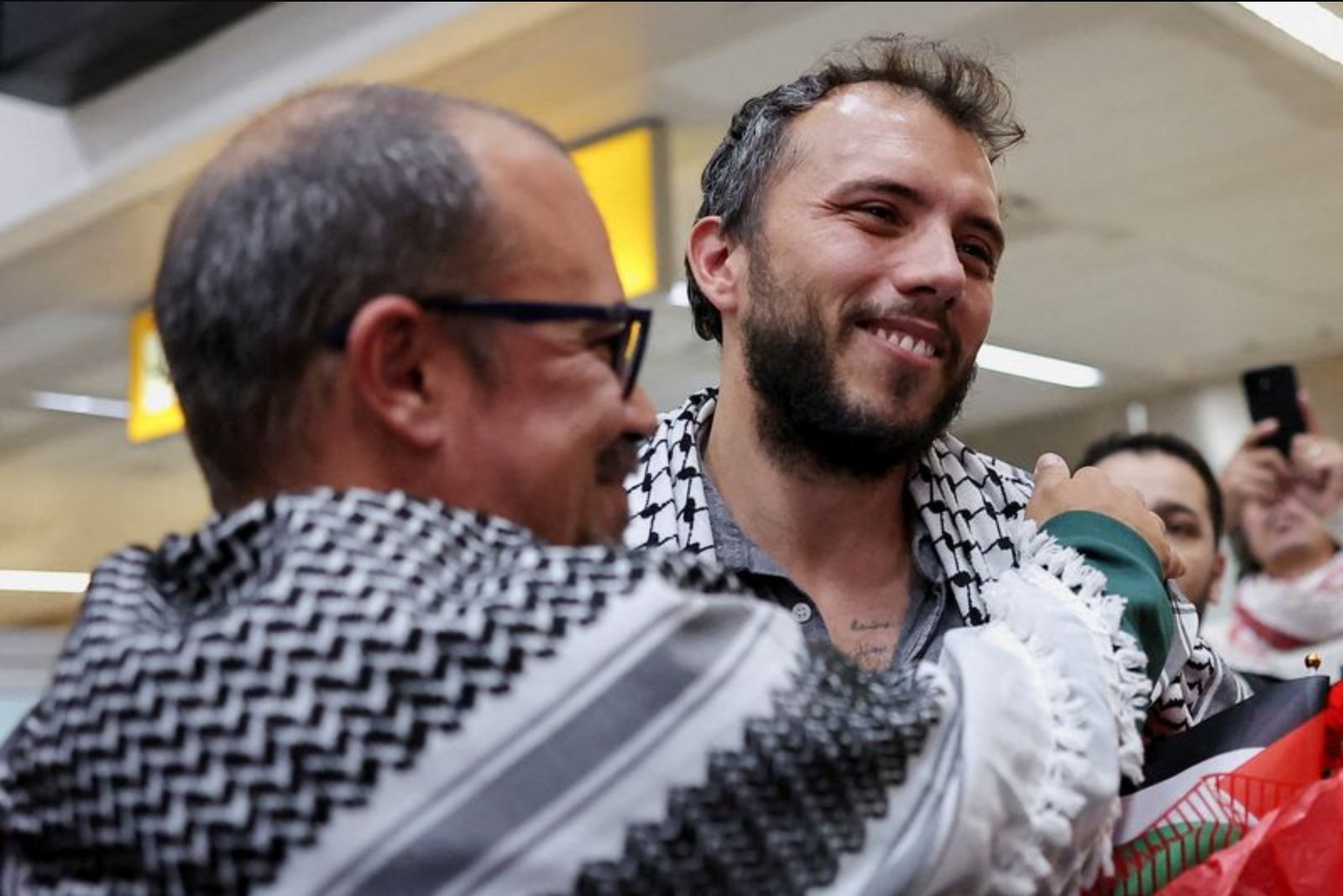
Brazilian activist Thiago Avila returned to Sao Paulo on Monday after being detained and subsequently deported from Israel, saying he had been tortured and had observed mistreatment of Palestinian prisoners while held in custody for 10 days.


Avila and Spanish national Abu Keshek were participants in the second Global Sumud Flotilla, which set out from Spain on April 12 with the stated aim of attempting to breach Israel's blockade of Gaza to deliver aid. Israeli forces intercepted the flotilla; Avila and Abu Keshek were taken to Israel while more than 100 other pro-Palestinian activists from the same mission were transported to Crete.

The two men were held on suspicion of offenses that included aiding the enemy and contact with a terrorist group. Both men denied those allegations. Authorities released them on Saturday and handed them over to immigration officials for deportation.

At Sao Paulo-Guarulhos International Airport, Avila told reporters: "My return was simply a correction of a serious violation. I was kidnapped by Israel, I wasn’t imprisoned," and he said that he and Abu Keshek endured "all kinds of violations" while detained. Avila also asserted that Palestinian prisoners in nearby cells suffered even worse treatment.


Israel dismissed claims raised by human rights group Adalah, which represented the two men in a court hearing in Israel, that Avila and Abu Keshek had been tortured in custody. Israeli authorities said the measures taken during detention complied with the law.

The governments of Spain and Brazil have characterized the detention as unlawful.

Addressing supporters at his return, Avila added: "We need to defeat (Israeli Prime Minister) Netanyahu and (U.S. President) Donald Trump, we need to defeat the war criminals," as those gathered held signs calling on Brazil to sever diplomatic ties with Israel.


The article notes that Gaza is largely administered by Palestinian militant group Hamas, which is designated as a terrorist group by Israel and much of the West. It also states that the group's October 7, 2023 attack on Israel triggered the Gaza war, resulting in extensive displacement within the enclave and leaving a large portion of the population homeless and reliant on aid. The piece reports that humanitarian agencies say aid is arriving too slowly.

The case highlights competing narratives: the activists' accounts of mistreatment while detained and the Israeli government's rejection of torture claims and insistence that detention procedures were lawful. Spain and Brazil's statements that the detention was unlawful point to diplomatic friction arising from the incident.

Risks

  • Conflicting accounts between the activists and Israeli authorities create legal and diplomatic uncertainty that may strain relations between Israel and countries whose nationals were detained - impacting government and diplomatic sectors.
  • Allegations of mistreatment and the broader context of the Gaza war heighten humanitarian and operational risks for aid organizations attempting to reach displaced populations in Gaza - affecting humanitarian aid and logistics.
  • Public demonstrations and calls to cut diplomatic ties could increase political pressure on governments and influence bilateral relations - affecting foreign policy and international trade considerations.

More from World

Kyrgyz Authorities Charge Former Security Chief and Seven Others Over Alleged Coup Plot May 12, 2026 Trump Says Cuba Has Requested Help, Offers No Details on U.S. Plans May 12, 2026 Saudi Air Force Carried Out Covert Retaliatory Strikes on Iranian Soil, Sources Say May 12, 2026 Senator Ronald dela Rosa Seeks Shelter in Senate as ICC Arrest Warrant Is Unsealed May 12, 2026 UNICEF: 70 Children Killed in West Bank and East Jerusalem Since Early 2025 May 12, 2026