
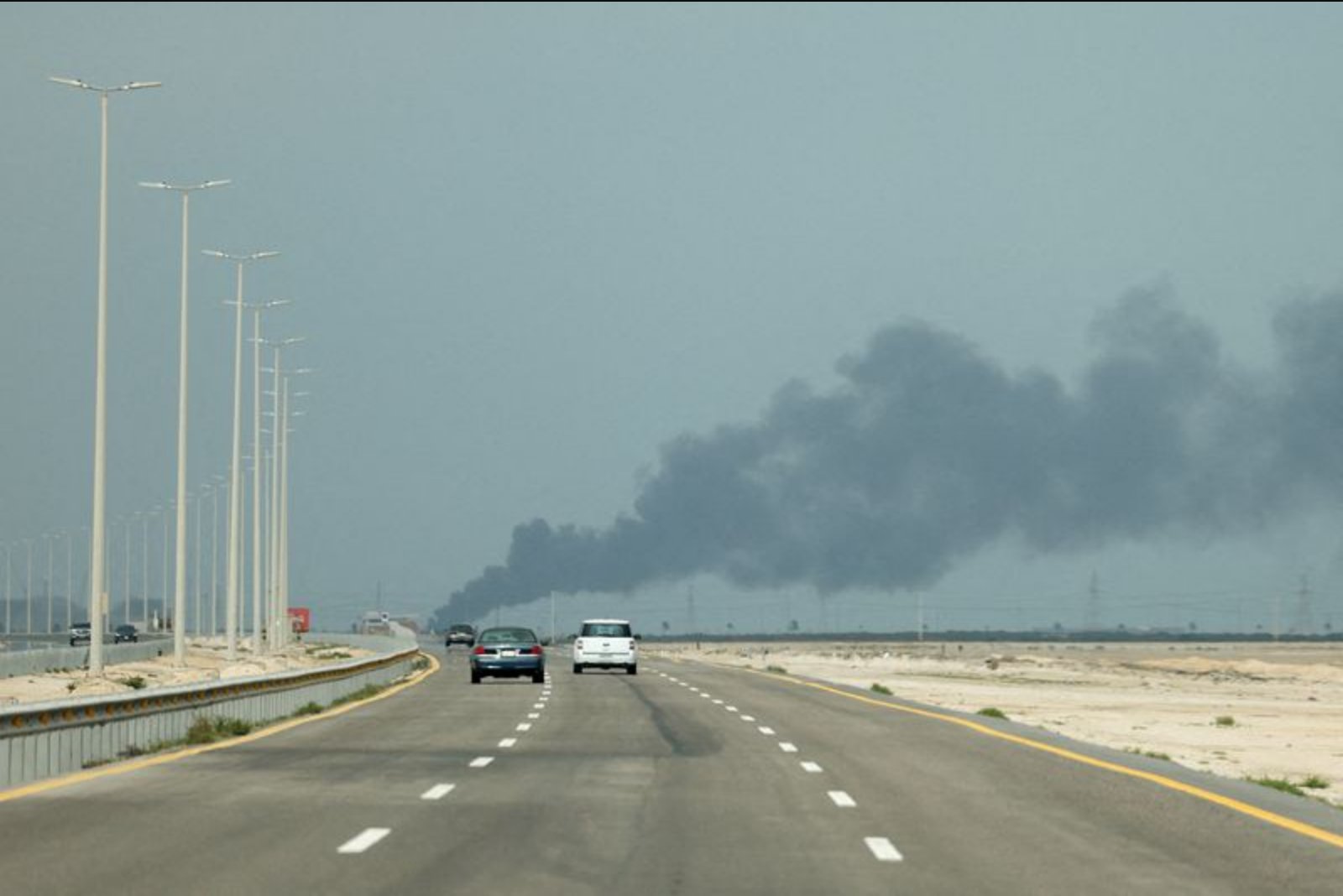
Refining operations across the globe have been hit hard by attacks and disruptions linked to the wars in Iran and Ukraine, cutting nearly 9% of global refining capacity in recent months and deepening a shortage of refined fuels. The combined impact has tightened supplies for gasoline, diesel, jet fuel and fuel oil, pushed crude and product prices higher, and forced market participants to draw heavily on stored barrels to cover immediate demand.
Analysts and executives say the twin shocks amount to the most severe disruption to refining since the COVID-19 pandemic in 2020. The Iran conflict has not only disrupted tanker movements out of the Gulf but has also caused direct damage to refining facilities and created crude shortages that have reduced processing volumes. The result is a near-term market backdrop that looks set to remain tight.
"The current tightness will continue to underpin the refined product market," Saxo Bank analyst Ole Hansen told Reuters. That constraint is compounded by the physical damage inflicted on refining assets, he said.
Price moves and inventory draws
Crude benchmarks spiked, with Brent reaching $126 a barrel in April, the highest level in four years. Some refined products climbed even more sharply: jet fuel, in particular, set a record high in March. The squeeze on supplies has pushed refiners, traders and retailers to dip into crude and fuel inventories to satisfy demand. TotalEnergies CEO Patrick Pouyanne said on April 29 that about 500 million barrels had already been withdrawn from stocks, and that figure could rise to 1 billion barrels because of the time required to restart damaged facilities and to restore deliveries to Asia. "Even if the war was to end quickly, prices are expected to remain at high levels," he added.
Scope of capacity losses
Industry monitor IIR estimated that the Iran-related conflict had shut as much as 3.52 million barrels per day of refining capacity as of May 7. Facilities affected include the 550,000 bpd Ras Tanura plant, Saudi Arabia's largest, which has since restarted but with some units undergoing turnaround, Saudi Aramco CEO Amin Nasser said. In Kuwait, two of three refineries - Mina Al-Ahmadi and Mina Abdullah - were struck by drones, and those sites as well as the 615,000 bpd Al-Zour refinery have reduced their processing rates.
The fighting involving Russia and Ukraine has also taken a toll: IIR put the decline from that conflict at an additional 1.42 million bpd. Reuters calculations show that Ukrainian drone strikes aimed at diminishing Russia's war capabilities have resulted in about 700,000 bpd of Russian crude processing being taken offline between January and May across 16 sites.
Across Asia and Europe, analysts at JPMorgan say crude shortages have cut refinery processing volumes by about 3.8 million bpd. Taken together, outages tied to the two wars amount to nearly 9% of the 100.5 million bpd of global refining capacity identified by IIR.
Products under pressure
Lower refinery runs in key regions have disproportionately affected middle distillates. "Lower refinery runs in Asia and Russia have had a disproportionately large impact on gasoil and diesel," FGE analyst Qilin Tam said. She noted that Asia's regional balance has shifted sharply from a strong surplus to a significant deficit. Official data show oil product stocks in the Singapore hub on May 7 at their lowest in more than nine months.
The International Energy Agency warned that Europe could face jet fuel shortages as early as June if supplies from the Gulf are not fully replaced. Reflecting strains on jet supply, Nigeria's large 650,000 bpd Dangote refinery almost doubled exports of jet fuel to Europe in April, Kpler data showed. At the pump, EU diesel prices hit a record 2.11 euros per litre in April, according to European Commission figures, reflecting both lost Gulf supply and the halt to Russian deliveries to Europe amid the Ukraine war.
Industry spare capacity and the road to normalisation
Refiners entered the year with limited spare margins after closures that have accumulated since the pandemic. IIR reported about 9.69 million bpd of capacity was closed between 2019 and 2026 due to pandemic-era shutdowns, operational problems, unfavourable economics and the gradual rise of electric vehicles - roughly 10% of current working capacity. Energy Aspects analyst George Dix said the industry started the year with relatively little buffer to absorb major outages.
Recovery to pre-conflict levels of processing is not expected to be quick. The International Energy Agency now expects Gulf refinery processing to fall to 8.7 million bpd this year, down 900,000 bpd from 2025. The IEA has also trimmed its outlook for Russian crude runs in 2026, projecting them to be as low as 4.8 million bpd in the second quarter versus around 5.2 million bpd earlier in the year, citing the impact of Ukrainian attacks.
Logistics and market implications
For transport and logistics chains, the refining outages complicate flows of refined products and crude. Tighter supplies mean elevated competition for available barrels and longer lead times for shipments, and they increase the sensitivity of markets to further disruptions. The heavy draw on inventories highlighted by energy executives points to continued pressure on wholesale and retail fuel markets until refining throughput and crude availability are rebuilt.
While some refineries have restarted or reduced outages, the scale and geographic spread of the damage, coupled with pre-existing capacity closures, suggest a recovery measured in months rather than weeks. Market participants should plan for sustained product tightness and price volatility as facilities are repaired and crude supply routes are re-established.