
Thyssenkrupp AG's supervisory board on Tuesday approved a proposal to spin out tk accelis - the business previously operating as thyssenkrupp Materials Services - and pursue a listing on the Frankfurt Stock Exchange.
Under the approved plan, 49% of the new company's equity would be distributed to thyssenkrupp AG shareholders on a pro rata basis. The operation is contingent on a green light from shareholders at an extraordinary general meeting scheduled for August 7, 2026. If approved, the distributed stake would represent a minority holding while thyssenkrupp AG would keep the remaining interest and the unit would continue to be fully consolidated within the thyssenkrupp Group.
In a statement accompanying the approval, Prof. Siegfried Russwurm, chairman of the supervisory board, framed the move as part of the group's ACES 2030 strategy, noting that the spin-off of tk accelis follows last year's market listing of TKMS as another step in the company's strategic realignment.
Miguel López, chief executive officer of thyssenkrupp AG, highlighted operational progress at the unit, pointing to CEO Ilse Henne and her management team for advancing the business toward a fully integrated materials distribution and supply-chain services model. The company has recently begun operating under the tk accelis brand.
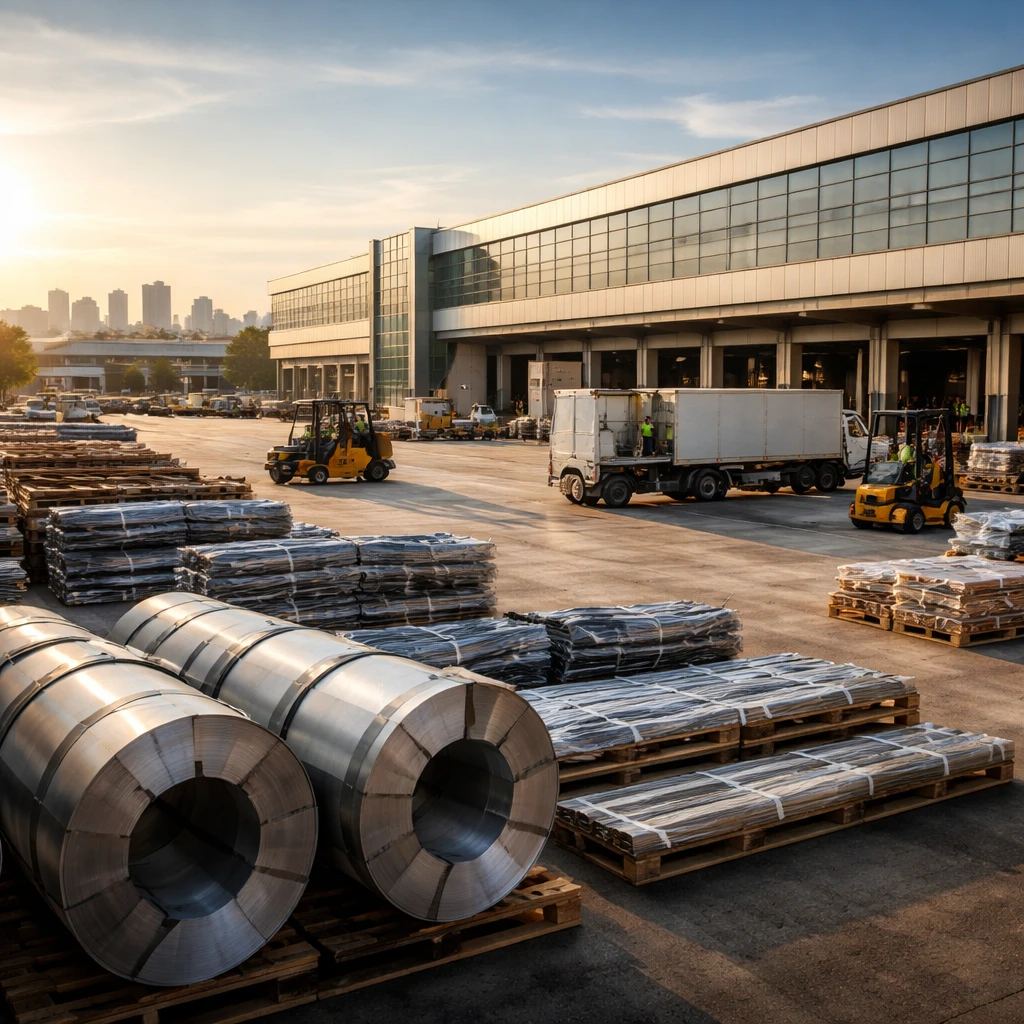
The unit's operating model is described as "Materials-as-a-Service," combining materials distribution and trading with customized processing and data-driven supply-chain management. The business serves roughly 250,000 customers worldwide, employs about 15,500 people, and posted sales of 11.4 billion in fiscal year 2024/25.
Should shareholders approve the spin-off, thyssenkrupp AG will remain the majority owner and tk accelis will continue to be consolidated within the group's financial statements. The proposal still requires formal shareholder approval at the August 7, 2026 extraordinary general meeting before the distribution and listing can proceed.
Context and implications
The approved plan formalizes a pathway for separating the materials services unit from the parent, retaining group control while unlocking a listed minority stake for public shareholders. Management characterized the unit as increasingly focused on an integrated distribution and supply-chain services proposition with a digital component and a defined growth agenda. The transaction, as proposed, keeps the business within the group's scope for reporting and control while creating a publicly traded vehicle for the materials operation.