
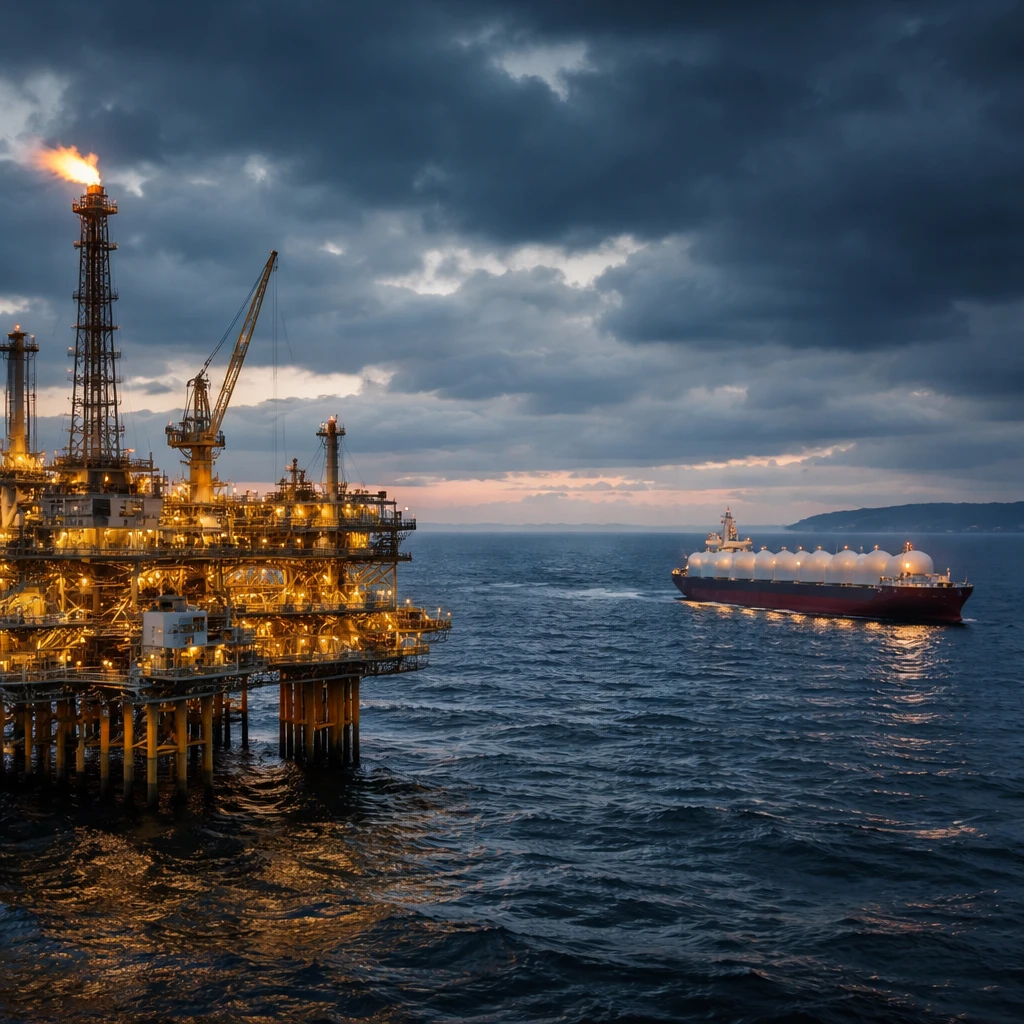
Stifel's analysis finds that gas produced in the UK North Sea delivered an estimated £2.5 billion of savings in 2025 when compared to the cost of supplying the same volumes via imported liquefied natural gas. The firm says those savings are likely to increase markedly in 2026 because of upward pressure on global LNG prices tied to the Persian Gulf conflict.
According to Stifel, approximately 20% of the UK gas supply in 2025 came from LNG imports. The firm emphasizes that domestically produced North Sea gas is not only less expensive than imported LNG on a direct price basis but also delivers ancillary benefits that LNG imports do not, including additional tax receipts, employment, capital investment and broader contributions to economic growth and energy security.
Stifel questions the coherence of current UK policy that imposes the "Windfall" tax on domestic gas production while the government proceeds with plans to increase LNG import capacity. The firm argues this combination may be counterproductive to maximizing the advantages of home-produced gas.
On demand and long-term needs, Stifel cites projections from the Climate Change Commission that the UK will still require oil and gas through 2050 and beyond. That assessment is tied to the fact that only around 25% of UK gas consumption is used for power generation, meaning substantial volumes are allocated to other sectors.
Government forecasts referenced by the firm indicate a need for roughly 35 gigawatts of gas-fired generation to act as backup for renewable supplies beyond 2030, even if the government's Clean Power 2030 targets are achieved. In this context, Stifel recommends reforming the "Windfall" tax and pursuing a policy to maximize UK gas output to boost jobs, generate tax revenues, reduce emissions (relative to alternative supply routes as framed by the firm) and strengthen energy security.
Characterizing the current circumstances in stark terms, Stifel warns the UK could be facing what it calls potentially the worst energy crisis since 1973. The firm advocates an "everything everywhere all at once" approach to energy policy, asserting that options other than maximizing domestic gas production would be worse for the country.
Note on limits of coverage: The information above reflects Stifel's estimates and the projections referenced in their analysis. Where figures or conclusions are cited, they are derived from that analysis.