
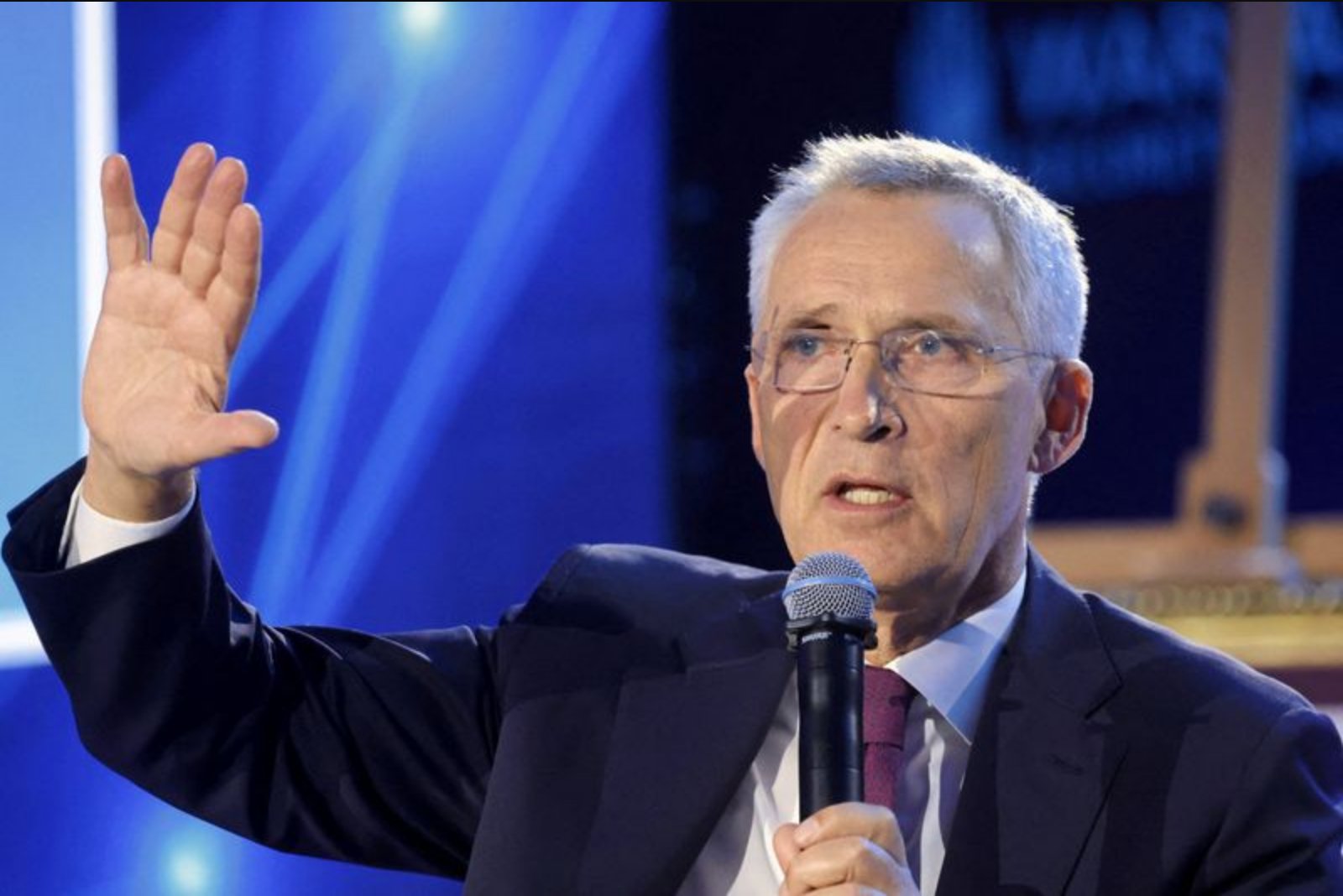
When Norway's sovereign wealth fund sells a holding on ethical grounds, should the public be told why? That question has turned into a central dilemma for the fund's overseers as a government-appointed commission reevaluates the rules that make the fund a global reference point for ethics-based investing, the finance minister told Reuters.
"It is not just about divesting, one must publish a reason," Jens Stoltenberg said in an interview. He acknowledged the tensions inherent in requiring openness and added that the commission is assessing not only whether divestments should proceed but also what explanatory reasoning could strengthen the effect of any sale.
The fund, established in the 1990s and now worth approximately $2.2 trillion, operates under ethical guidelines approved by parliament. Those rules bar investments in companies that are judged to violate human rights, cause severe environmental damage, or breach other listed standards. An independent Council on Ethics historically produced recommendations to divest and forwarded them to the board of the central bank, which had the final decision.
For years, the council's recommendations were made public after a company had been sold off. The published reports included detailed rationales based on investigations that sometimes lasted months or even years. That level of explanation has been regarded by civil society groups as an important public good - a source of information for other investors and for members of the public both in Norway and abroad.
"The strength of the fund has been that it is public and that the Council on Ethics has given such thorough reasonings and documentation for its recommendations," said Ingunn Eriksen, an adviser at the trade union Fagforbundet. She warned that if the fund stops publishing those reasoned recommendations, other investors would lose a rare resource for learning from the fund's decisions.
In November, parliament voted to halt the fund's ethical divestments and ordered a review of the guidelines after intense scrutiny from the United States over the fund's earlier decision to divest from Caterpillar related to the company's equipment use in Gaza and the occupied West Bank. Since the suspension, the council has continued to send recommendations to the fund's operator, Norges Bank Investment Management (NBIM), but no divestments have been executed.
Civil society organizations have expressed alarm that the commission's review, which is due to present recommendations in the autumn, could weaken the existing rules. Some groups fear the process may be influenced by pressure to avoid upsetting U.S. political authorities. More than half of the fund's assets are invested in the United States, and some opposition politicians have suggested that concern about provoking U.S. actions - including a theoretical risk of asset seizure by U.S. authorities - influenced the decision to suspend divestments. The Norwegian government rejects the notion that the pause and review were taken to placate any foreign leader.
Lucy Brooks, a sustainable finance adviser at environmental group Framtiden I Vaare Hender (Future in our Hands), said that continued suspension of publicized ethical divestments would reduce the number of ethical exclusions undertaken by other institutional investors worldwide. "Internationally, it would be a massive loss because there is no one else doing that," she said, noting that other pension funds and investors often look to the Norwegian fund when deciding on exclusions.
Stoltenberg defended the pause as necessary given the fund's growing concentration in a relatively small number of large companies, mostly U.S. technology firms such as Nvidia, Meta and Amazon. He noted that the fund finances about 25% of Norway's public spending, and that an immediate, large-scale divestment from companies that make up a significant share of the fund's value could undermine its broad index-like investment profile.
"Then we would not be a broadly invested index fund," he said, framing the suspension as a precaution while rules are reviewed.
The existence of the ethical framework itself appears secure: Stoltenberg said parliament remains unanimously in favor of maintaining ethical rules. The head of the government commission reviewing the guidelines did not reply to a request for comment. Nicolai Tangen, chief executive of the fund, declined to comment until the commission issues its recommendations but said that after publication the fund would express a view on how transparent it should be about divestments.
Context and procedure
Before the suspension, the Council on Ethics conducted investigations and recommended divestments to the fund's overseers, and its full recommendations were published after sales were completed. That practice offered a degree of transparency that observer groups and some investors relied on.
Since the parliamentary pause, recommendations have been passed along to NBIM but no public divestments have been recorded. The review now underway will address both whether divestments should resume and the extent to which the fund should publicize the rationale for any future exclusions.
What is at stake
The debate centers on balancing the fund's role as a steward of public wealth - supporting a quarter of public spending - with its function as a global exemplar of transparent, ethics-based investment standards. Any change in how reasons for divestments are communicated could affect the information available to markets and to other long-term investors.
The commission is expected to deliver its recommendations in the autumn, after which the fund and its overseers will weigh how to proceed with both policy and disclosure practice.