
Oil prices inched upward on Tuesday and the US dollar strengthened as optimism faded for a deal that would allow ships to transit the Strait of Hormuz, while the recent surge in chip stocks lost steam and market participants awaited a key US inflation reading.
US President Donald Trump said the ceasefire with Iran was "on life support" after Tehran’s response to a US proposal to end the war underscored persistent distance between the two sides. Against that backdrop, Brent crude futures rose 0.7% to $105 a barrel.
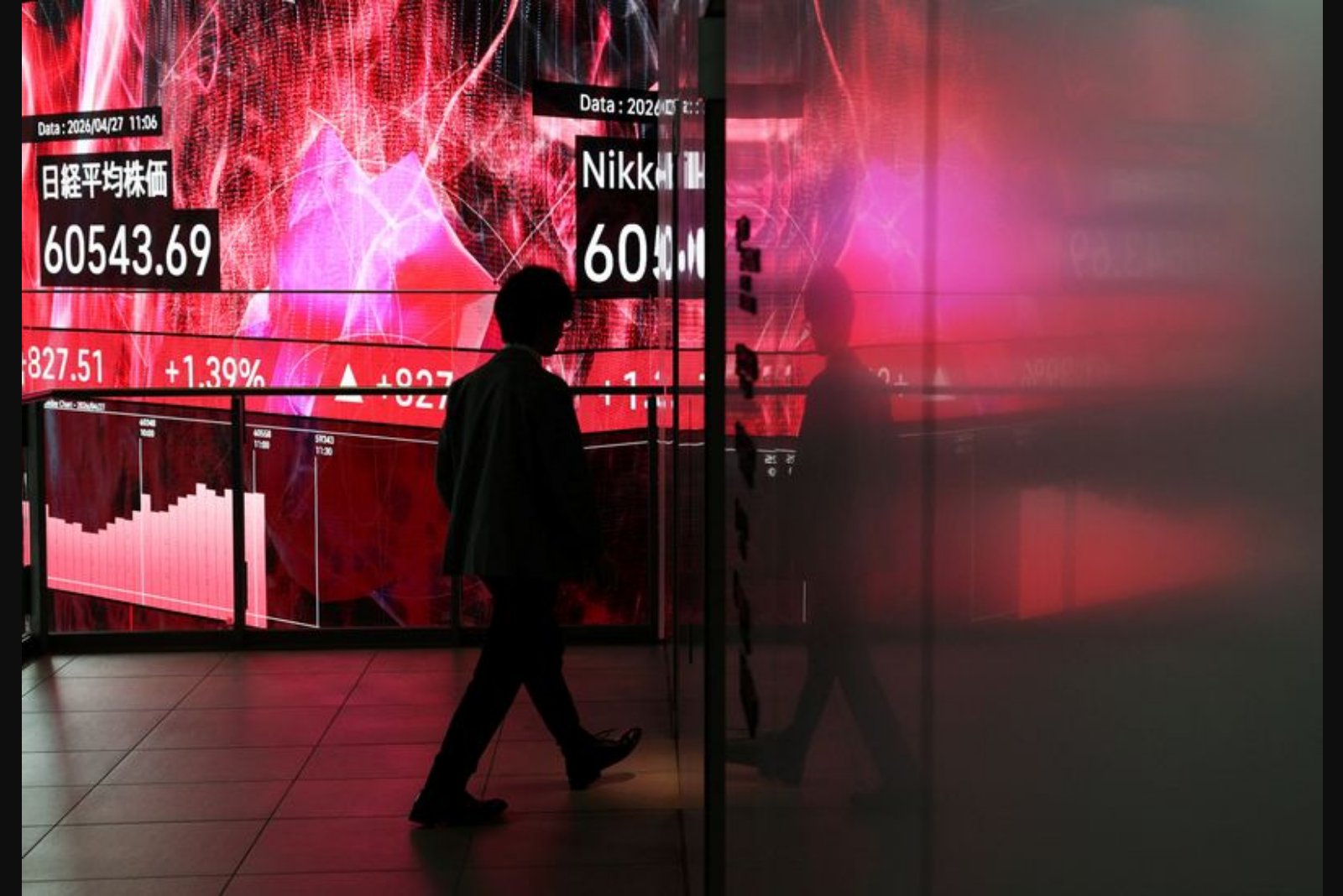
Equity futures showed strain: S&P 500 futures dipped 0.2%. In Asia, Seoul’s KOSPI index, which had been strong in recent sessions, slid 3% and dragged other regional markets lower. MSCI’s broadest index of Asian shares excluding Japan fell 1%, while Tokyo’s Nikkei was flat. European futures were down about 1%.
Market attention was also focused on a high-profile diplomatic moment: President Trump's upcoming visit to China. Expectations for major breakthroughs either on Iran or on trade were muted, with many commentators and investors anticipating that stability rather than sweeping agreements would be the most likely outcome.
"Investors should not expect sweeping agreements. A 'win' would mean no new tariffs or export controls, and perhaps small symbolic deals, such as agricultural purchases, aircraft orders, or signals on rare earths," said Daniel Casali, chief investment strategist at Evelyn Partners. "These may seem minor, but stability at the margin matters."
Despite the rise in oil, US equities had shown resilience overnight, with both the S&P 500 and the Nasdaq eking out fresh closing highs in recent sessions. That calm could be tested later in the day when US inflation figures are released: the headline consumer price index is forecast to climb to 3.7% year-on-year. Any indication that inflation remains elevated enough to prompt the Federal Reserve to consider hiking rates this year - rather than cutting as some investors had expected before the war - could unsettle markets.
Fixed income markets moved to reflect rising risk and changing policy expectations. Global bond yields increased overnight. Gilts were hit by a selloff after a speech by Prime Minister Keir Starmer did little to allay investor concerns about his political standing, which followed Labour’s heavy defeat in last week’s local elections. Benchmark 10-year Treasury yields were steady at 4.42%.
In Japan, the 10-year government bond yield climbed to 2.54%, a 29-year high, ahead of an auction later in the day. A summary of opinions from the Bank of Japan’s April meeting suggested a hawkish tilt on the policy board, leaving the door open for a potential rate increase in June.
Currency markets favored the dollar. The US dollar strengthened to 157.53 yen. US Treasury Secretary Scott Bessent was in Tokyo for meetings with senior Japanese officials, but Japanese counterparts did not explicitly state endorsement for Japan intervening in currency markets to reporters on Tuesday. "We agreed that we are coordinating extremely well on recent market moves, including exchange rates," said Japanese Finance Minister Satsuki Katayama.
Other currencies moved modestly: the euro eased 0.2% to $1.1762 and the Australian dollar slipped 0.25% to $0.7232. Separately, Australia’s government was preparing to deliver a budget on Tuesday that is expected to show a narrower deficit than had been previously flagged.
Taken together, the market moves reflected a mix of geopolitical uncertainty, evolving central bank rhetoric and domestic political developments that are influencing bond, currency and equity pricing across regions.