
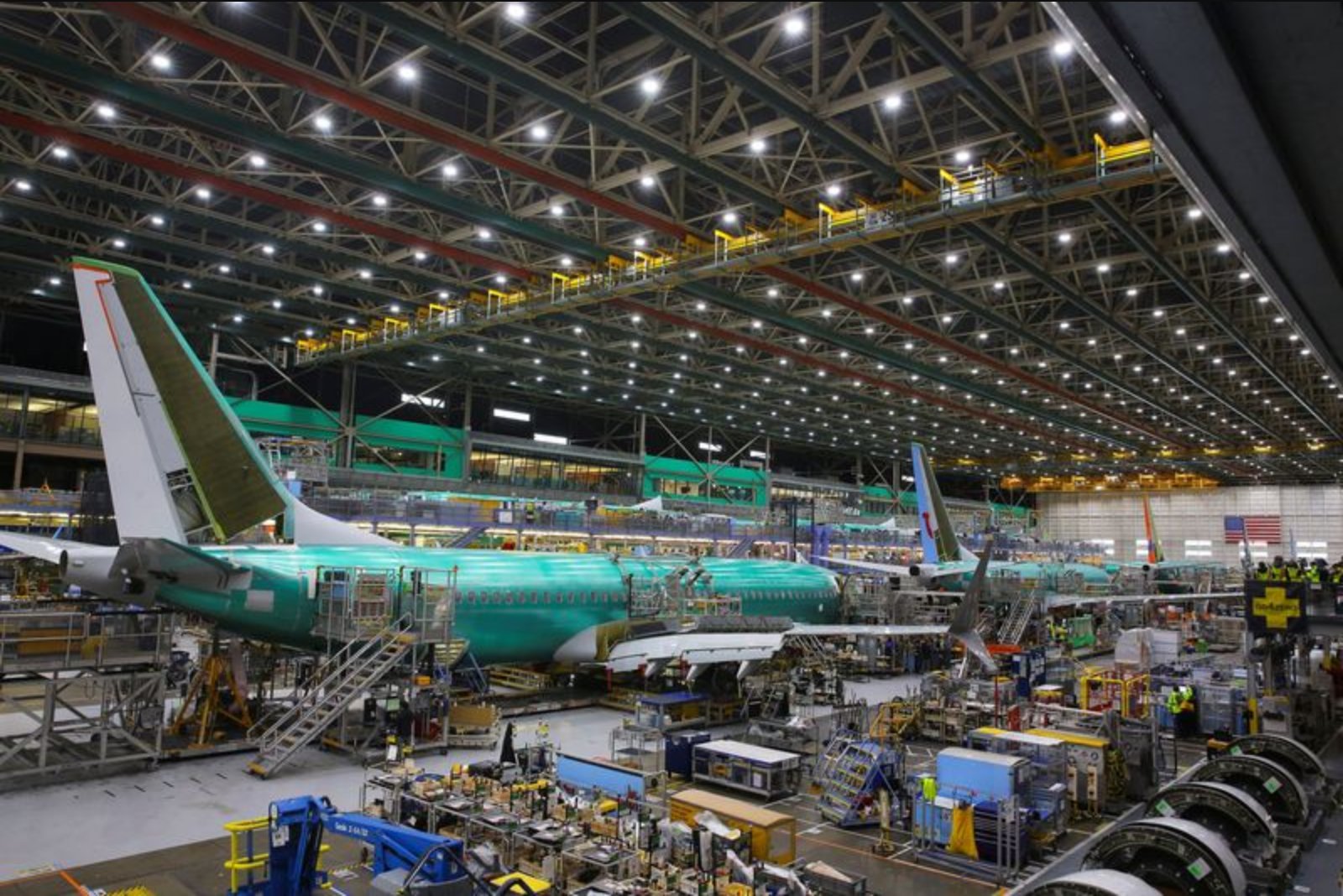
LOT Polish Airlines told a federal jury in Seattle that Boeing concealed known safety problems in its 737 MAX aircraft when the carrier selected the jet in 2016 to underpin a strategy to emerge from serious financial distress.
According to LOT’s attorney, Anthony Battista, the decision to commit to the MAX was made without full awareness of a flight-control software feature that Boeing’s engineers had developed to counteract a tendency for the nose to pitch up in certain conditions. LOT’s case alleges Boeing downplayed both the existence and the severity of that system - the Maneuvering Characteristics Augmentation System, or MCAS - while marketing the jet to airlines.
"This case is about Boeing’s lies and deception and the devastating financial harm it caused," Battista said in opening statements on Monday. That damage, the airline argues, flowed from the worldwide grounding of MAX jets in 2019 after two crashes revealed serious problems involving MCAS.
Boeing’s development of MCAS came as the company sought to position the MAX against Airbus’ A320 family in a fiercely competitive market for single-aisle aircraft. LOT and other carriers were told that pilots already familiar with previous 737 models would not require extensive simulator training for the new jet, an assurance the airline says hinged on Boeing’s representations about MCAS.
Former LOT executive Maciej Wilk told jurors switching to the A320 family would have required "extensive" and costly simulator training. "And the key promise in all this was about pilot training," Wilk said, according to LOT’s presentation to the court. Those assurances helped persuade LOT to commit to leasing 15 MAX jets over the following years.
MCAS later factored in two fatal accidents - Lion Air Flight 610 in October 2018 and Ethiopian Airlines Flight 302 in March 2019 - in which 346 people lost their lives. In the wake of the first crash, Boeing publicly maintained that the MAX was safe, and the company’s sales staff reportedly told LOT there were no safety problems with the aircraft. LOT continued to operate the MAX until regulators worldwide grounded the type after the second crash made MCAS’s role clearer.
Twenty months after the global groundings, regulators cleared the MAX to return to service following extensive review and design changes to MCAS and additional pilot training requirements, and airlines including LOT resumed flying the updated jets. LOT’s lawsuit, filed in 2021, seeks damages tied to revenue losses the carrier says resulted from the MAX groundings.
In court, Boeing’s defense questioned LOT’s posture, noting that the airline continued to operate the MAX after regulators lifted the grounding. A Boeing attorney accused LOT of "crying foul and fraud out of one side of their mouth in the courtroom," and argued that routine operation of the aircraft after recertification undermines LOT’s claims of being a victim of a multimillion-dollar fraud scheme. "Is that how the victim of a multimillion-dollar fraud scheme behaves?" the attorney asked jurors.
Separately, Boeing has acknowledged large payouts related to the two accidents, saying it has paid billions to families of the victims. The company has also reached substantial, undisclosed out-of-court settlements with airlines harmed by the MAX groundings. LOT is the first airline to take Boeing to trial over damages tied to the MAX crashes.
Summary of the case
LOT alleges Boeing misrepresented MCAS and its testing to avoid triggering costly simulator training requirements, which helped secure LOT's 2016 commitment to lease 15 737 MAX jets. After two crashes in 2018 and 2019 revealed MCAS-related flaws and prompted a global grounding, LOT says it suffered revenue losses and filed suit in 2021 seeking damages. Boeing disputes the claims and points to regulators’ later recertification and LOT’s continued operation of MAX aircraft as counterarguments.
Key points
- LOT claims Boeing hid safety problems involving MCAS while promoting the 737 MAX, influencing LOT’s 2016 leasing decision and its recovery plan.
- The MCAS system was implicated in two crashes that killed 346 people, prompting global groundings of the MAX in 2019 and extensive recertification work before the jets returned to service.
- The legal dispute affects aircraft manufacturers, airlines, and regulators, with implications for fleet planning, pilot training requirements, and contractual risk allocations in aviation markets.
Risks and uncertainties
- Outcome of the lawsuit - LOT is pursuing damages for revenue losses, but the court’s decision is uncertain and could influence future airline claims against manufacturers; this affects airline financials and legal exposure for aircraft makers.
- Perception and operational decisions - continued operation of recertified MAX aircraft by carriers may complicate claims of financial victimization, creating uncertainty for legal strategies and potential settlements.
- Incomplete financial disclosures - while Boeing has acknowledged large payouts to victims and undisclosed settlements with airlines, the total sums related to airline claims remain unspecified, leaving market participants without a clear measure of industry-wide financial impact.