
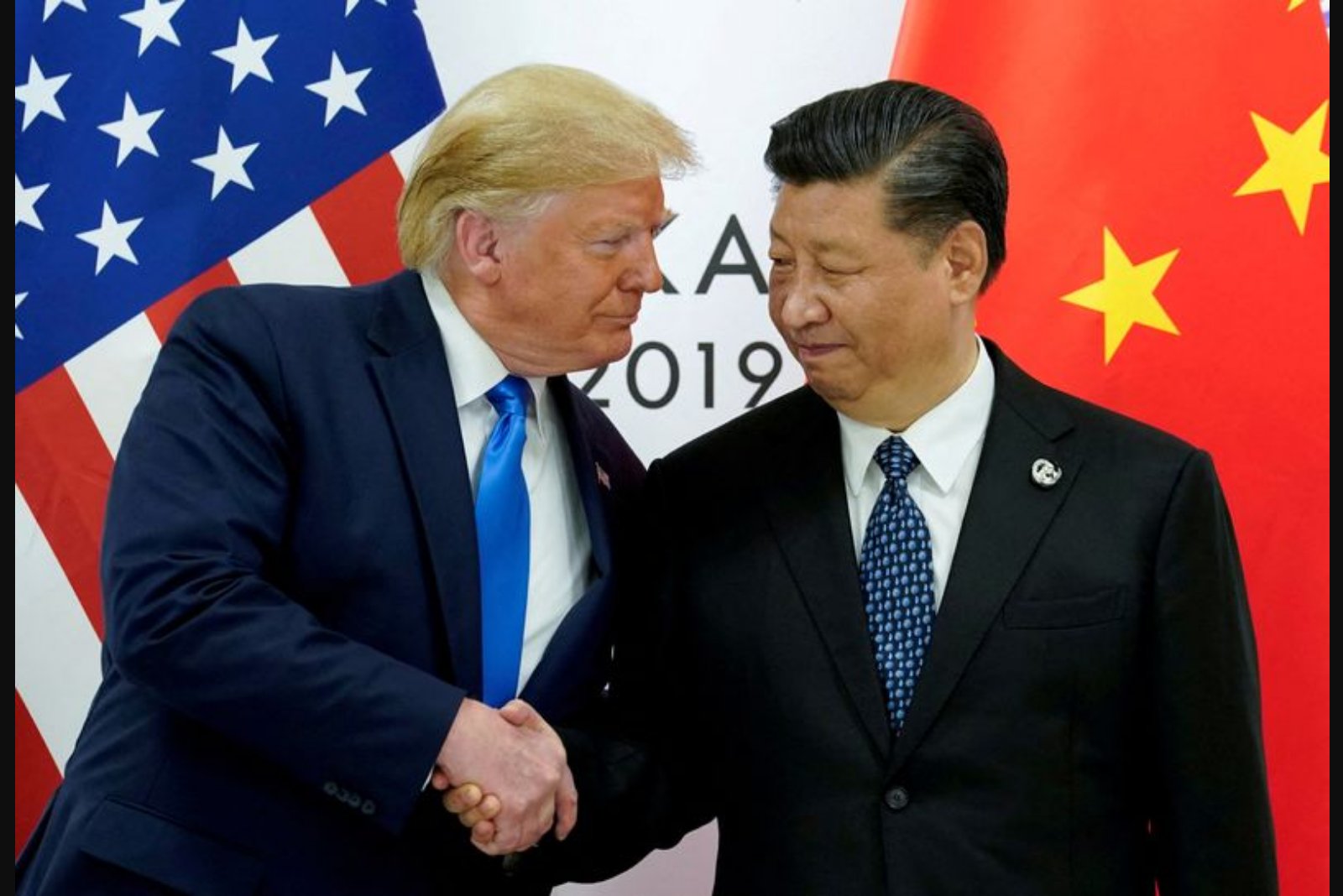
Investors arriving at the opening of markets around Trump’s first trip to China in nearly nine years are largely concentrating on the technology sector and the implications for chip exports rather than expecting a return to tariff-driven volatility. The pivot in market focus is visible in rising equity prices, accelerating export growth attributed to artificial intelligence-related orders, and a steadily appreciating yuan.
That view contrasts with earlier periods when headlines about tariffs and trade tensions were primary drivers of sharp moves in Chinese asset prices. Instead, market participants say they are watching whether Beijing and Washington will refrain from interfering with the global AI expansion and whether Washington will relax prohibitions on sales of advanced semiconductors to China.
Investors point to several concrete signs of a changed dynamic. The yuan has climbed to a three-year peak, trading around 6.79 to the dollar, and the Shanghai Composite index is at levels not seen in more than a decade. At the same time, export data shows momentum that market participants link to AI-related demand, reinforcing expectations that China’s technology sector will continue to attract capital.
Some fund managers interpret the current landscape as evidence that geopolitical brinkmanship has subsided since the two leaders put a pause on their trade confrontation about six months ago. They also note legal and logistical developments that have reduced the potency of earlier tariff measures. "The tables have turned. There’s little China is eager to discuss with Trump," said Yang Tingwu, vice general manager of Tongheng Investment, adding that Trump’s unresolved war with Iran has weakened his hand. Yang said he has taken positions in China Mobile and China Telecom to gain exposure to data-centre opportunities.
Other investors described the relationship between the United States and China as currently stable enough that market participants are willing to place bets on technology-led gains rather than defensive moves in anticipation of trade penalties. "China has made great strides in technology, grown the new economy, expanded its global clout and increased its leverage in the global power rivalry," said Wen Xunneng, founder and CEO of Zhu Liu Asset Management. Wen said he has invested in AI infrastructure and expects U.S.-China relations to remain stable at least until President Xi visits the United States in a reciprocal trip he said is expected. "After Xi’s visit to the U.S., the two countries may enter the next stage of rivalry, but now it’s a relatively peaceful time," he added.
Market strategists and analysts also point to policy and balance-of-payments dynamics that support a firmer yuan. Since the tariff storm that began in April 2025, the currency has been supported by buoyant exports and investor expectations that Chinese authorities are comfortable with a stronger exchange rate, particularly amid dollar volatility. "The summit could be a tactical catalyst for CNY strength and an important marker in stabilising trade relations," Goldman Sachs analysts said in a note. "(But) we think the case for a stronger CNY is more fundamental and longer-lasting beyond this week’s events," they added, citing China’s external surplus and projecting a 12-month forecast of 6.5 to the dollar.
For traders and portfolio managers, the potential presence of major U.S. corporate leaders at the summit has created hopes for deals across finance, agriculture, energy and aerospace. Some market participants also see a diplomatic opening to ease tensions in the Middle East, which they view as supportive for market stability. "I’m hoping that maybe Trump can get Xi to put pressure on Iran to get the Strait of Hormuz open again and the oil flowing," said Jack Ablin, chief investment strategist at Cresset Wealth Advisors.
Even with those aspirations, most traders say they do not expect a single, sweeping announcement to alter market trajectories. Instead, they will track the economic and corporate developments that have been driving prices recently. In particular, the global AI boom remains the dominant focus.
"The only thing worth monitoring is development around AI," said Zeng Wanping, fund manager at Beijing Monolith Fund Management. He emphasised interest in whether Washington will permit more advanced Nvidia chips to be sold in China, noting that such a move would increase competition pressure on domestic producers.
Other structural shifts also feature in investor calculations. U.S. courts have invalidated much of the initial tariff architecture proposed by the Trump administration, and trade flows suggest that Chinese goods continue to reach the U.S. market through regional rerouting via Southeast Asia. The compounded effects of the Iran war have, according to investors, accelerated China’s efforts to fortify its supply chains; markets have priced in the possibility that friction with the U.S. may act as a catalyst for accelerated domestic technological development rather than as an immediate drag on asset prices.
For now, that positioning is visible in portfolio allocations tilted toward companies and sectors tied to data centres, semiconductors and the broader AI value chain, and in a currency that is trading near multi-year highs. Market participants caution that thorny diplomatic issues - including conflicts in the Middle East, Taiwan, rare earth controls and nuclear questions - could reintroduce volatility if they move from discussion to confrontation. Until then, however, the prevailing investor posture is to seek exposure to China’s self-sufficiency push in technology and to the commercial opportunities arising from widespread AI adoption.
Summary
Investors attending or watching President Trump’s visit to Beijing are prioritising developments in AI and the potential relaxation of U.S. chip export restrictions. This focus has coincided with a rising yuan, strong export performance linked to AI orders, and elevated Chinese equity valuations, even as underlying geopolitical risks remain.