
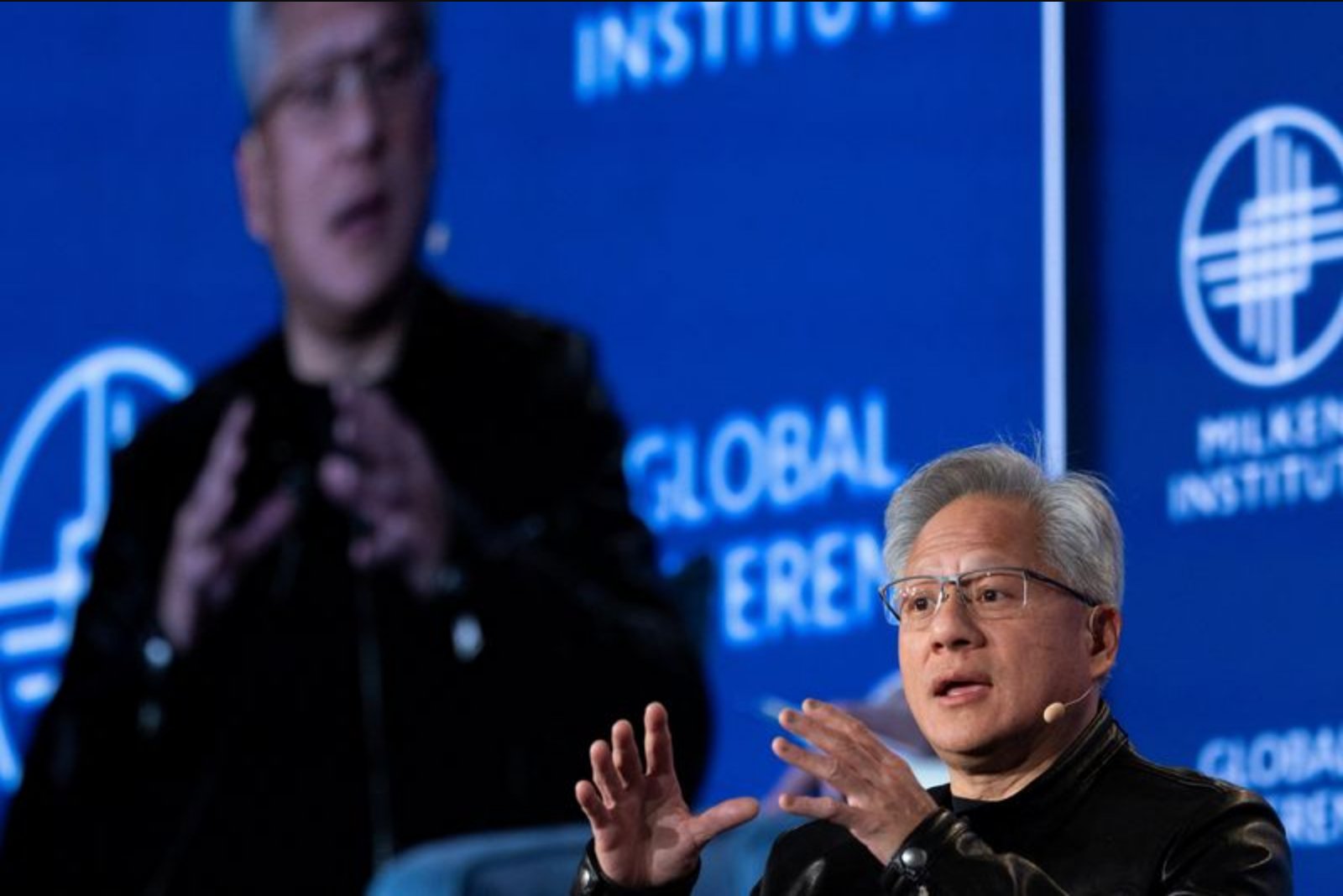
The foundation of Nvidia CEO Jensen Huang and his wife, Lori, has purchased computing time from CoreWeave and is donating those resources to academic institutions and nonprofit research organizations, a regulatory filing shows. The filing values the gift at about $108.3 million to date.
The document states the donated compute will be allocated to science and artificial intelligence research. Nvidia said in the filing that it plans to provide free engineering services to a subset of the grant recipients.
While the contribution highlights the foundation s philanthropy, the filing also underscores another link between Nvidia and CoreWeave. CoreWeave is a cloud computing provider focused on AI workloads; the company offers customers access to graphics processing units that are designed by Nvidia.
Earlier in the year, Nvidia invested $2 billion in CoreWeave, a transaction that at the time made Nvidia the company's second-largest shareholder, according to the filing. Nvidia and CoreWeave also have a commercial agreement: last year Nvidia signed a $6.3 billion contract with CoreWeave for cloud computing capacity that includes a guarantee Nvidia will buy any cloud capacity not sold to CoreWeave's customers.
The disclosure follows a period of heightened attention on Nvidia's investments in the AI ecosystem. The filing notes that the chipmaker has invested billions in AI companies, including the maker of ChatGPT and a group of neoclouds, and says those transactions have prompted investor questions about potential circular financing.
CoreWeave, in its most recent results, raised the lower end of its capital spending guidance and attributed the revision to higher component prices, the filing adds.
Context and interpretation
The filing frames the purchase and donation as targeted support for scientific and artificial intelligence research, while also documenting the existing commercial and financial ties between Nvidia and CoreWeave. Nvidia s planned engineering assistance to some recipients supplements the donated compute.
The document does not provide a detailed list of recipient institutions or specify the exact nature of the engineering services to be provided. It also does not quantify how much of the $108.3 million in compute, if any, has already been assigned to particular projects.