
Stock Markets February 4, 2026

Chinese Automakers Push Longer Repayment Terms as Sales Stagnate

Major brands roll out low-interest, extended loans—some reaching eight years—to stimulate demand in the world’s largest auto market

By Marcus Reed
Chinese Automakers Push Longer Repayment Terms as Sales Stagnate

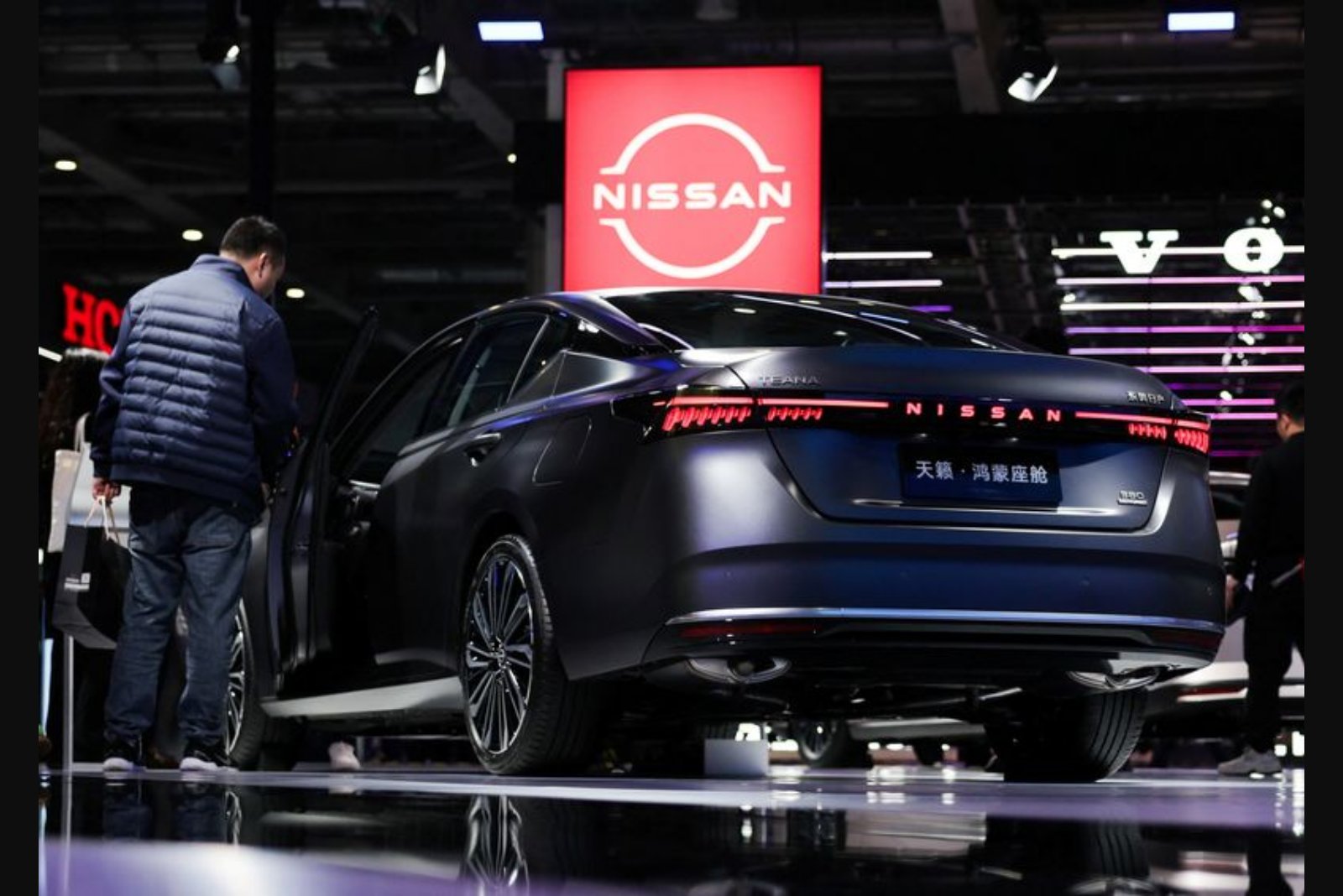
Automakers in China are offering extended, low-interest financing packages to try to revive weak vehicle demand. Several manufacturers, including a Nissan joint venture with Dongfeng, have introduced repayment terms of up to eight years with low or zero down payments, joining at least 10 other brands that have moved to lengthen loan tenors. The measures follow earlier relaxations of loan-term rules and come as the Chinese auto market heads for its poorest year since 2020 amid subsidy reductions for budget vehicles.

Key Points

  • Several automakers in China are offering extended, low-interest financing terms to boost consumer demand, with some plans stretching up to eight years.
  • Dongfeng Nissan’s eight-year plan features zero down payment and advertised daily repayments for the Sylphy Classic as low as 27 yuan ($3.89).
  • Regulatory changes last year relaxed loan-term limits from five years to up to seven years, and the market-wide moves come as vehicle sales are set for their weakest year since 2020.

BEIJING, Feb 4 - Automakers operating in China are stretching consumer car-loan repayment periods as a sales stimulus, with some plans now extending as far as eight years. The move is part of a wave of extended, low-interest financing options aimed at attracting buyers in the world's largest auto market, where demand has cooled.

On Tuesday, a Nissan joint venture with Dongfeng began offering an eight-year financing option that requires no initial down payment. Promotional material for the plan highlighted that buyers of the Sylphy Classic would face a daily repayment as low as 27 yuan ($3.89), equating roughly to the price of a coffee per day.

That eight-year proposal joins offerings from at least 10 other car brands that have rolled out longer-term financing in recent days, including Xpeng, Xiaomi and Geely. The market shift follows earlier moves by an industry leader: Tesla introduced a seven-year plan in China in January, prompting competitors to announce similar seven-year packages that typically require a down payment. Incentives tied to Tesla's Model 3 and Model Y purchases through the end of February also include an extension of prior plans of up to five years with no down payment.

Historically, car loans in China were capped at five-year terms. Regulators loosened that framework last year, allowing consumer loan maturities of up to seven years as part of efforts to shore up weak consumption. The entry of eight-year offers sits alongside that regulatory change and reflects more aggressive lender or manufacturer-led tactics to lower monthly payments and broaden affordability.

The proliferation of extended-term financing arrives as China’s auto sector appears set for a difficult year. Sales are tracking toward the weakest performance since 2020, the year the COVID-19 pandemic began, a trend compounded by the government cutting back subsidies for trade-ins of budget vehicles that constitute the bulk of new-car purchases.

Dongfeng and Nissan did not immediately respond to a request for comment on how the eight-year plan aligns with current regulatory limits on consumer loans. ($1 = 6.9361 Chinese yuan renminbi)

Risks

  • Regulatory alignment - It is unclear how an eight-year loan offering complies with existing loan-term guidelines that were relaxed to allow up to seven years; this creates regulatory uncertainty for lenders and manufacturers.
  • Demand risk - Extended financing may not be sufficient to reverse a market heading for its weakest year since 2020, particularly as government subsidies for budget vehicle trade-ins are being scaled back.
  • Credit and affordability risk - Longer-term, low-down-payment loans could increase consumer leverage and affect auto finance stability if underlying demand and repayment capacity deteriorate.

More from Stock Markets

PVA TePla Shares Fall After Conservative 2026 Guidance Despite Strong 2025 Orders Feb 4, 2026 Santander Stock Slips After Proposed $12.2 Billion Webster Acquisition, Analysts Flag Execution Risks Feb 4, 2026 AI-Driven Fears Push Global Software Stocks Lower After Anthropic Legal Model Debut Feb 4, 2026 Morgan Stanley Lowers Japan Tire Sector Rating, Keeps Rankings; Cites Mixed Demand Signals Feb 4, 2026 Chinese Software Shares Slide as AI Disruption Concerns Mount Feb 4, 2026