
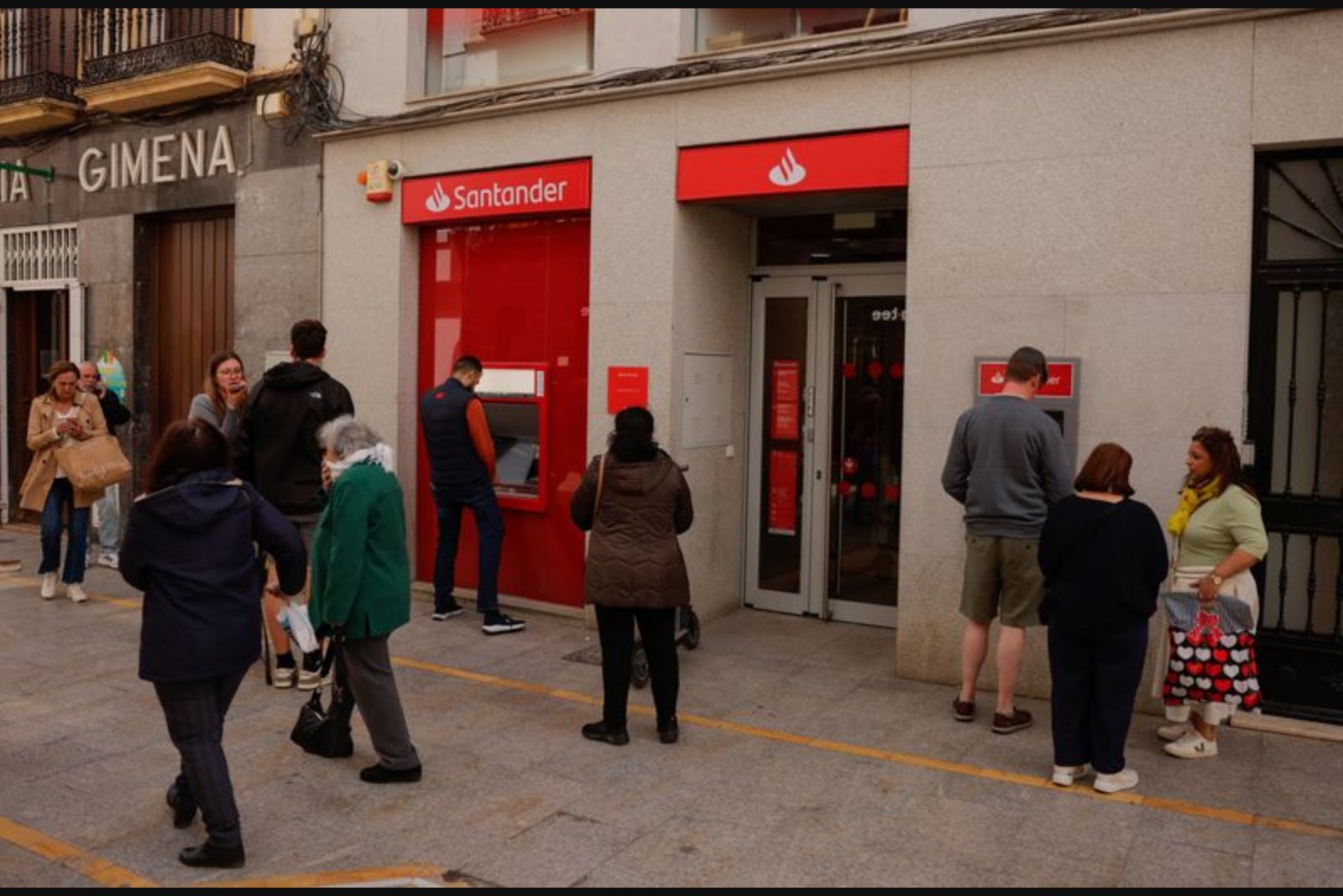
Santander shares dropped sharply following the bank's proposal to acquire Webster Financial for $12.2 billion. The stock fell as much as 5% on Wednesday after the deal was disclosed, reflecting investor caution even as analysts broadly endorsed the rationale for expanding the bank's U.S. footprint.
Analysts welcomed the strategic logic behind the transaction but highlighted short-term risks tied to execution. Barclays, among those analyzing the deal, said the acquisition should help accelerate Santander's U.S. return-on-tangible-equity ratio - ROTE - to about 18% by 2028 from a current 10.8%. At the same time, the broker warned that execution risk remains, notably around delivering the ambitious cost synergies and managing the sequencing of integration steps.
Market reaction was immediate. By 0958 GMT on the day of the announcement, Santander shares were down 3.7%, after having lost 125% last year. The intra-day decline of up to 5% underscores investor sensitivity to near-term operational and integration challenges despite the longer-term profitability targets cited by management and analysts.
Santander's chairman, Ana Botin, defended the strategic importance of a U.S. presence for a global banking group, saying that to be a global player you must be present in the United States. That stance has guided the bank's continued focus on growing in the U.S. despite historically lower profitability there compared with group-wide performance.
Barclays noted that investor concerns also reflected a perceived shift from prior messaging at the bank, where organic growth and share buybacks had been emphasized over U.S. dealmaking. In response, Botin sought to reassure markets by stating there will be no further bolt-on acquisitions over the next three years.
On the cost side, Santander expects the transaction to generate roughly $800 million of cost savings by the end of 2028, which it describes as equivalent to about 19% of the combined cost base. Barclays characterized Webster as a complementary, high-quality franchise that should improve deposit quality and diversify revenue, even as it cautioned about the practical challenges of integration.
Summary
Santander's proposed $12.2 billion acquisition of Webster Financial triggered a notable share price decline amid analyst praise for the strategic fit and concern over short-term execution, integration sequencing, and delivery of cost synergies. Management projects significant cost savings and improved U.S. profitability, and has pledged no additional bolt-on deals for three years.