
Summary: The Supreme Court will review the Trump administration's defense of a policy that permits immigration officials to decline processing asylum claims at busy border crossings. The legal question is narrowly framed: do migrants who are stopped before crossing the port of entry "arrive in the United States" under federal law, thus obligating inspection and the opportunity to apply for asylum?
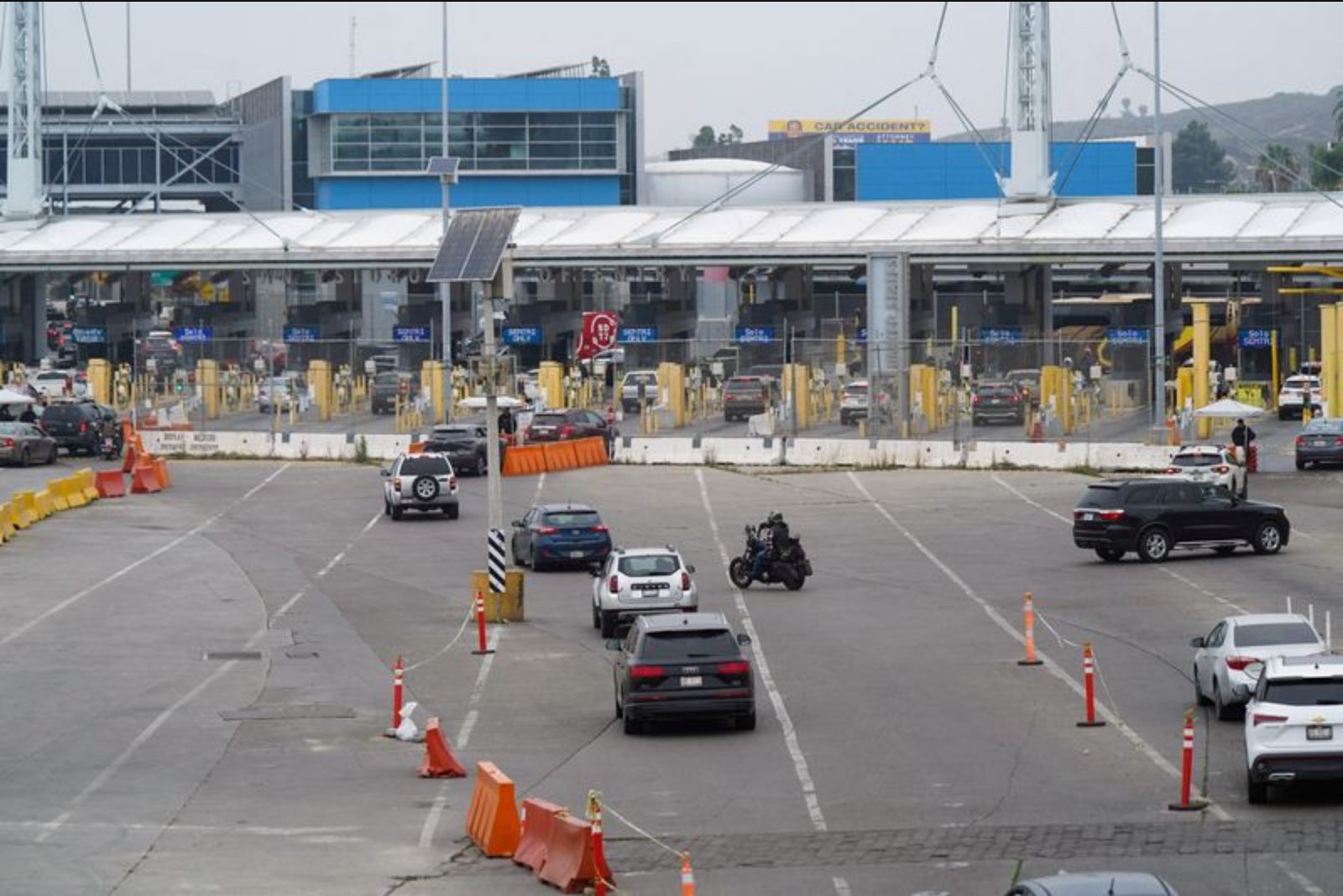
The argument is scheduled for Tuesday, March 24. The policy at the center of the case, commonly referred to as "metering," was used by U.S. immigration authorities to control the flow of asylum seekers at designated crossings by limiting how many people could be processed each day and, at times, turning people away without processing their claims.
Metering has a multi-administration history. Immigration officials first began turning away asylum seekers in 2016 amid a surge of arrivals. The practice was formalized in 2018 during President Donald Trump's first term, granting officials the authority to decline to process asylum claims when they determined they could not handle additional applications. President Joe Biden rescinded the policy in 2021. The Trump administration, upon returning to office, announced a sweeping ban on asylum at the border last year; that ban is a separate policy and remains the subject of its own legal challenge.
The current litigation stems from a long-running challenge brought by the advocacy group Al Otro Lado in 2017. In 2024, the San Francisco-based 9th U.S. Circuit Court of Appeals held that federal law requires border agents to inspect all asylum seekers who "arrive" at designated crossings even if they have not physically crossed into the United States, and concluded that metering conflicted with that statutory duty.
The Justice Department has appealed that decision to the Supreme Court. In its filings, the administration argued the phrase "arrive in" should be read to mean "entering a specified place, not just coming close to it," adding that "an alien who is stopped in Mexico does not arrive in the United States." The administration also told the Court it would likely resume the use of metering "as soon as changed border conditions warranted that step," though it did not provide specifics about what conditions would trigger resumption.
The case centers on statutory interpretation. Under U.S. law, a migrant who "arrives in the United States" is entitled to apply for asylum and must be inspected by a federal immigration official. The dispute before the justices is whether those statutory protections attach to people halted before they physically enter U.S. territory at official ports of entry.
The Court is expected to issue a ruling by the end of June. The outcome will determine whether the government may lawfully decline to process asylum claims from individuals stopped short of U.S. soil at designated crossing points, or whether the statutory inspection requirement applies to such individuals.
Broader judicial context
The metering case comes amid a series of immigration-related matters the Supreme Court has addressed since the president returned to office. On an emergency basis, the justices have sided with the administration in several disputes, including matters that allowed deportations of migrants to countries other than their own and permitted the revocation of temporary legal status for hundreds of thousands of Venezuelan migrants.
The Court's docket includes other high-profile immigration questions. The justices are due next week to hear arguments over the legality of a directive aimed at restricting birthright citizenship. In the following month, the Court will consider the administration's request to end temporary protections for more than 350,000 Haitians and about 6,100 Syrians living in the United States.
What is at stake
The immediate legal issue is narrow and statutory: how to read the phrase "arrive in the United States." The decision will clarify whether government officials at designated border crossings may turn away asylum seekers without inspection when they are stopped prior to entering U.S. territory. A ruling for the administration would validate the possibility of reinstating or maintaining metering; a ruling for the challengers would reinforce the 9th Circuit's conclusion that inspection is required for those who arrive at ports of entry, even if still on the Mexican side.
Because the parties framed the case on statutory language and on the mechanics of border processing, the Court's resolution will hinge on legal interpretation rather than on broader policy judgments. The justices' decision is expected by the end of June.