
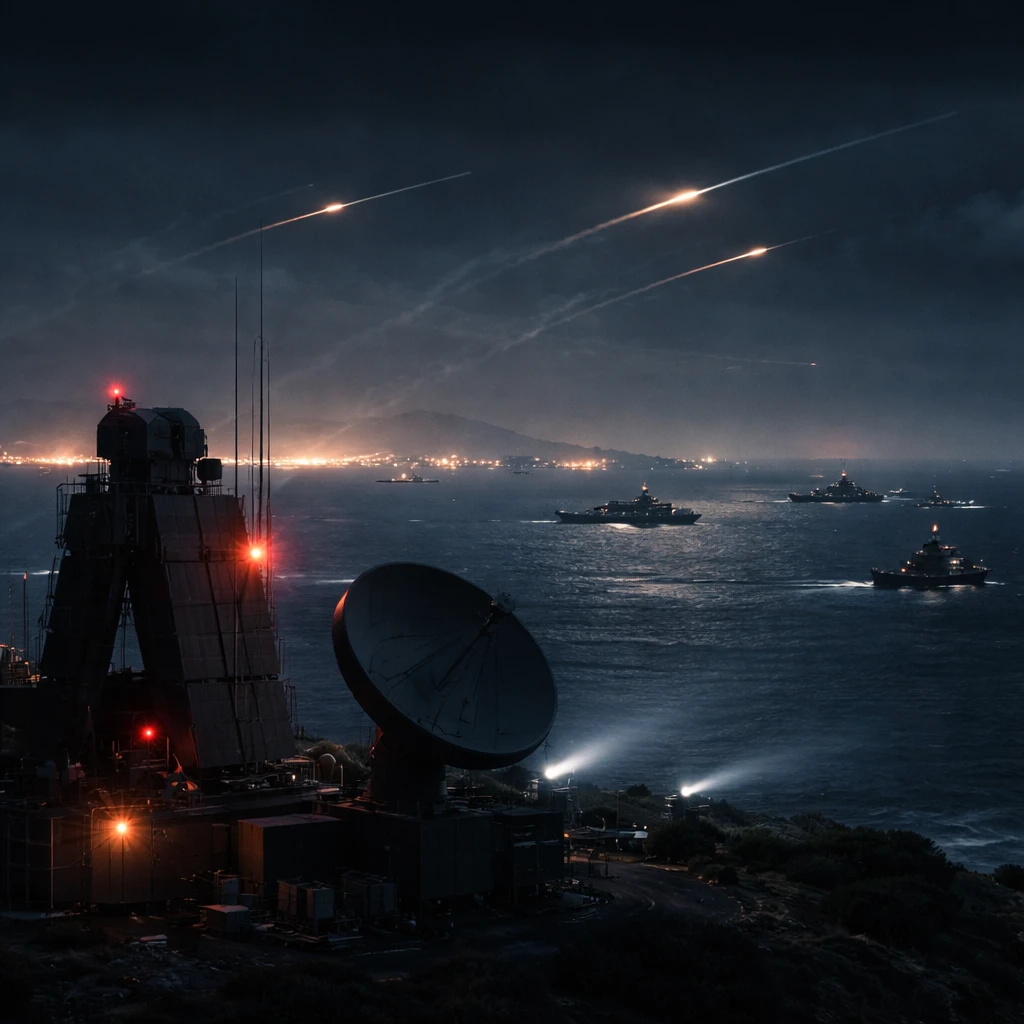
The United Arab Emirates on Friday reported that its air defences were engaging incoming missiles and unmanned aerial vehicles that the UAE says originated in Iran. In an official statement, the UAE Ministry of Defense said: "UAE Air Defences system are actively engaging with missiles and UAV threats."
The announcement came shortly after the U.S. military said on Thursday it had carried out a response to attacks by Iran on three American warships that were transiting the Strait of Hormuz. These developments are part of a broader escalation in the region after renewed confrontations between U.S. and Iranian forces in and around Hormuz.
Iran has accused the United States of breaching the ceasefire earlier in the week, alleging U.S. actions included an attack on an oil tanker and strikes on civilian areas. Those Iranian allegations followed a U.S. operation that was launched with the stated aim of reopening commercial shipping lanes in the Strait of Hormuz - an operation Washington said it paused after Iran attacked vessels in the waterway earlier in the week.
Earlier in the week the UAE had also said its air defence systems were responding to missile and drone threats it attributed to Iran. Tehran, however, has denied that it carried out such operations against the UAE in recent days.
The renewed exchanges between Washington and Tehran, including the reported intercepts over UAE territory, have cast doubt on the durability of the tenuous ceasefire between the two powers. Observers and officials on both sides had recently suggested negotiations were progressing and that a peace deal could be close; the latest military activity has called those assessments into question.
On Thursday U.S. President Donald Trump said the ceasefire remained in place and urged Iran to accept a peace deal, warning that failure to do so could lead to additional U.S. attacks. The statements and military actions over the past several days underscore the fragile and rapidly changing security situation around the Strait of Hormuz.
Summary
- The UAE says it is intercepting missiles and drones it attributes to Iran.
- The U.S. said it responded to attacks on three American warships transiting the Strait of Hormuz on Thursday.
- Iran alleges U.S. violations of the ceasefire, including an attack on an oil tanker and strikes on civilian areas this week.
Key points
- Security - The UAE's reported intercepts and the U.S. military response indicate an escalation in regional military activity around the Strait of Hormuz.
- Commercial shipping - The U.S. had launched an operation to reopen commercial shipping in Hormuz but said it paused that effort after attacks on vessels earlier in the week.
- Diplomacy - Recent military actions have created uncertainty over the status of a tentative ceasefire and the prospect of a near-term peace agreement.
Risks and uncertainties
- Ceasefire durability - The military exchanges raise questions about whether the ceasefire between the U.S. and Iran will hold, creating uncertainty for regional security.
- Shipping and energy disruption - Attacks on vessels and the pause of a U.S. operation to reopen commercial shipping increase the risk of continued disruption in the Strait of Hormuz, which could affect maritime traffic.
- Conflicting claims - Tehran's denial of recent operations against the UAE, contrasted with UAE and U.S. statements, leaves factual clarity unresolved and complicates diplomatic de-escalation.