
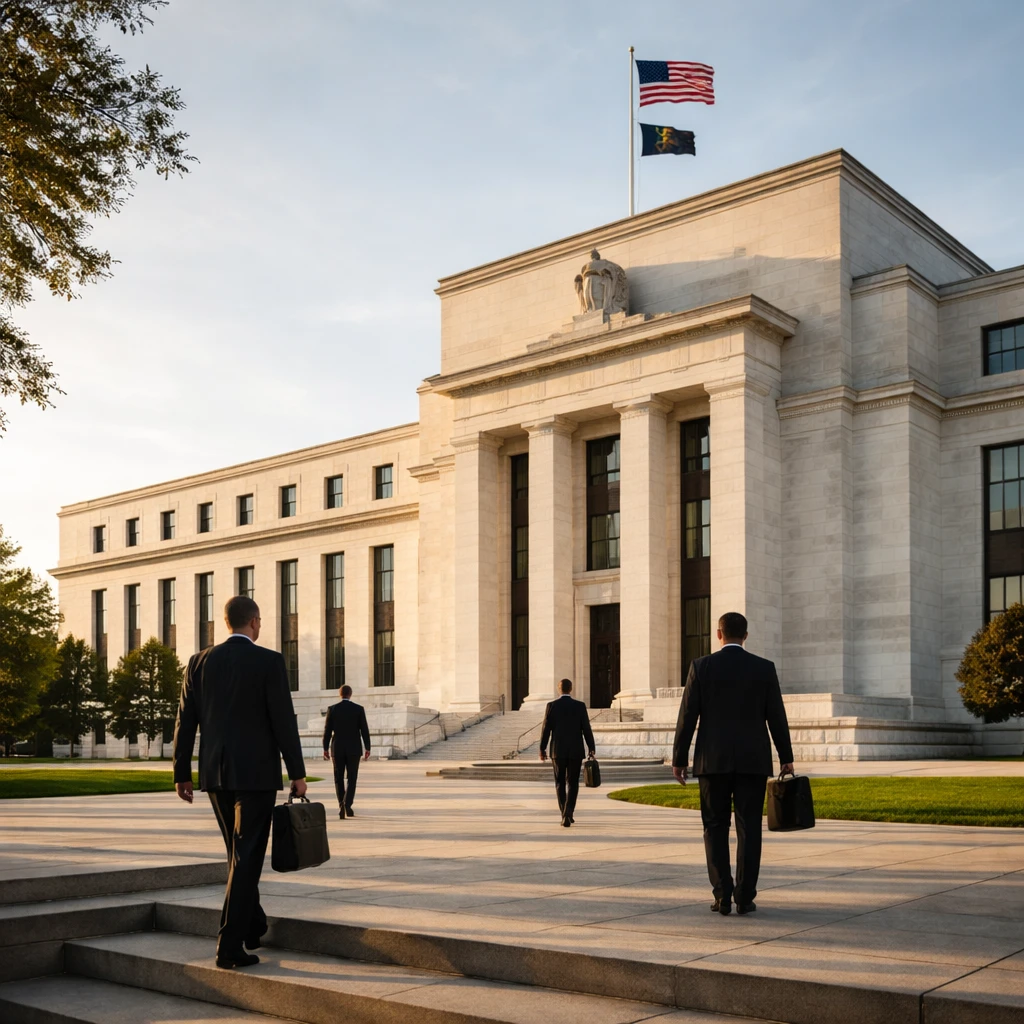
WASHINGTON - Stephen Miran handed in his resignation from the Federal Reserve Board on Thursday after eight months in office as a Governor, removing a barrier to Kevin Warsh's confirmation as Chairman-designate and opening a seat on the Fed's seven-member board.
Miran's formal term had expired on January 31, 2026, but he continued to serve under a holdover provision until a successor could be installed. With Jerome Powell remaining on the Board as a Governor after stepping down from the chairmanship, there was no vacancy for Warsh to fill until Miran chose to leave. His resignation will take effect when or shortly before his successor is sworn in.
Miran arrived at the Fed in September 2025 after a stint as Chair of the Council of Economic Advisers. He initially sought to retain both that White House post and his seat on the Fed, but he resigned from the White House in February 2026 amid scrutiny from Senate Democrats who raised questions about his independence.
Policy positions and votes
Throughout his short tenure on the Board, Miran regularly voted in favor of larger interest rate cuts than his colleagues. In his resignation letter, he said the Fed had been responding to inflated readings by failing to account for certain measurement issues and structural changes. Specifically, he cited measurement errors in calculating AI software quality and financial fees, the effects of deregulation, and demographic shifts stemming from immigration policy as factors that should be considered in the Fed's assessments.
Miran also worked with Vice Chairwoman Michelle Bowman on rolling back banking regulations. Those actions are reported to have freed more than $100 billion in capital within the banking system. He supported the removal of reputational risk guidelines that had affected banks' relationships with firearms manufacturers and with energy companies.
Balance sheet and next steps
In a letter to the President, Miran said he spent recent months developing plans to reduce the Fed's balance sheet, a reform he identified as a priority also shared by Warsh. The resignation statement noted that Miran is expected either to return to the private sector or to accept an advisory role within the administration.
The timing of his departure is tied to the swearing-in of his successor; Miran's resignation will take effect when or shortly before that event. Beyond that sequencing, the documents and statements available do not provide further details on personnel timing or the specific contents of the balance-sheet plans he prepared.
What is clear
- Stephen Miran resigned from the Federal Reserve Board after eight months as a Governor.
- His exit clears the way for Kevin Warsh to join the Fed's seven-member board as Chairman-designate.
- Miran's record at the Fed included support for larger interest rate cuts, regulatory rollbacks releasing over $100 billion of bank capital, and work on plans to shrink the Fed's balance sheet.