
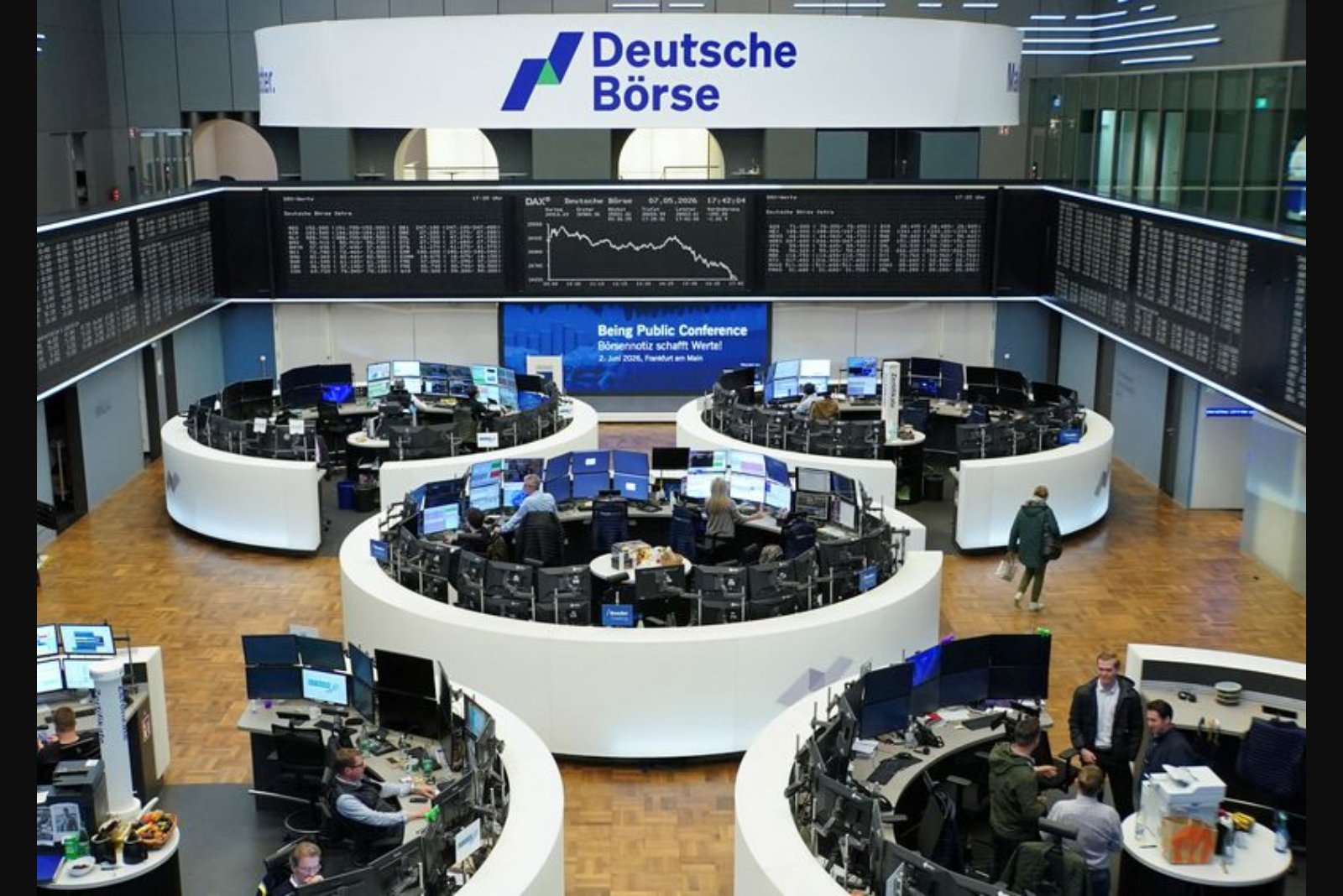
Markets in Europe and Asia traded with caution on Friday after an exchange of fire between U.S. and Iranian forces in the Middle East and renewed attacks on the UAE tested a fragile ceasefire. Oil prices edged higher and European futures showed some wobble, but market moves were muted as investors appeared to prioritize the possibility of a longer-lasting peace.
In Asia, trading was shaped by large weekly gains in artificial intelligence-related shares. Despite most markets finishing the day with small losses, regional indices were on track for significant weekly advances. South Korea led the charge, where sharp rallies in chipmakers Samsung Electronics and SK Hynix pushed the KOSPI toward a roughly 13% rise for the week, its strongest weekly gain since 2008.
Political developments in Britain were also in focus. Early results from local elections showed heavy losses for Keir Starmer's Labour Party, yet sterling held steady in Asian trading around $1.36. Traders weighed the election news alongside the geopolitical tensions in the Gulf.
The military exchange involving U.S. and Iranian forces took place in the Gulf, and the UAE experienced fresh attacks. U.S. President Donald Trump later told reporters the ceasefire remained in effect and downplayed the significance of the skirmish. Oil prices were around $101 a barrel following the incident.
Corporate headlines included Toyota's forecast on Friday of a 20% decline in profit for the current financial year. The automaker cited cost and supply uncertainties linked to the Iran conflict as a factor weighing on earnings, and its shares fell by about 1.5% on the news.
Market participants were also watching several upcoming economic data points. German trade data was due on Friday, and U.S. payrolls were scheduled for release. A steady U.S. unemployment rate at 4.3% is expected by some market observers to provide the Federal Reserve with scope to keep interest rates unchanged for the time being.
Intraday market tickers and indicators reflected the mixed tone: GBP/USD was quoted near 1.3575, and other referenced tickers included CL, KS11, 000660, 005930 and 7203, showing varied moves across commodities and equities.
Summary
Markets displayed cautious trading as a tested ceasefire in the Middle East coincided with solid weekly gains in Asian tech stocks and attention on UK local election results and upcoming German and U.S. economic data.
Key points
- Oil ticked up to about $101 a barrel after clashes between U.S. and Iranian forces; geopolitical risk is top of mind for energy markets.
- Asian markets recorded small daily losses but were set for substantial weekly gains, led by a strong rally in South Korean chip stocks which pushed the KOSPI toward a 13% weekly rise.
- UK local election results dented Labour but left sterling steady; German trade data and U.S. payrolls are near-term data points that could influence rate expectations and markets.
Risks and uncertainties
- Escalation of hostilities between U.S. and Iran or additional attacks on Gulf states - a downside risk for oil prices and regional stability impacting energy and shipping sectors.
- Supply and cost pressures for global manufacturers linked to Middle East tensions - a risk to corporate earnings in the auto and industrial sectors, as illustrated by Toyota's profit warning.
- Near-term economic data surprises from Germany or the U.S. - could alter expectations for Federal Reserve policy, affecting fixed income and currency markets.