
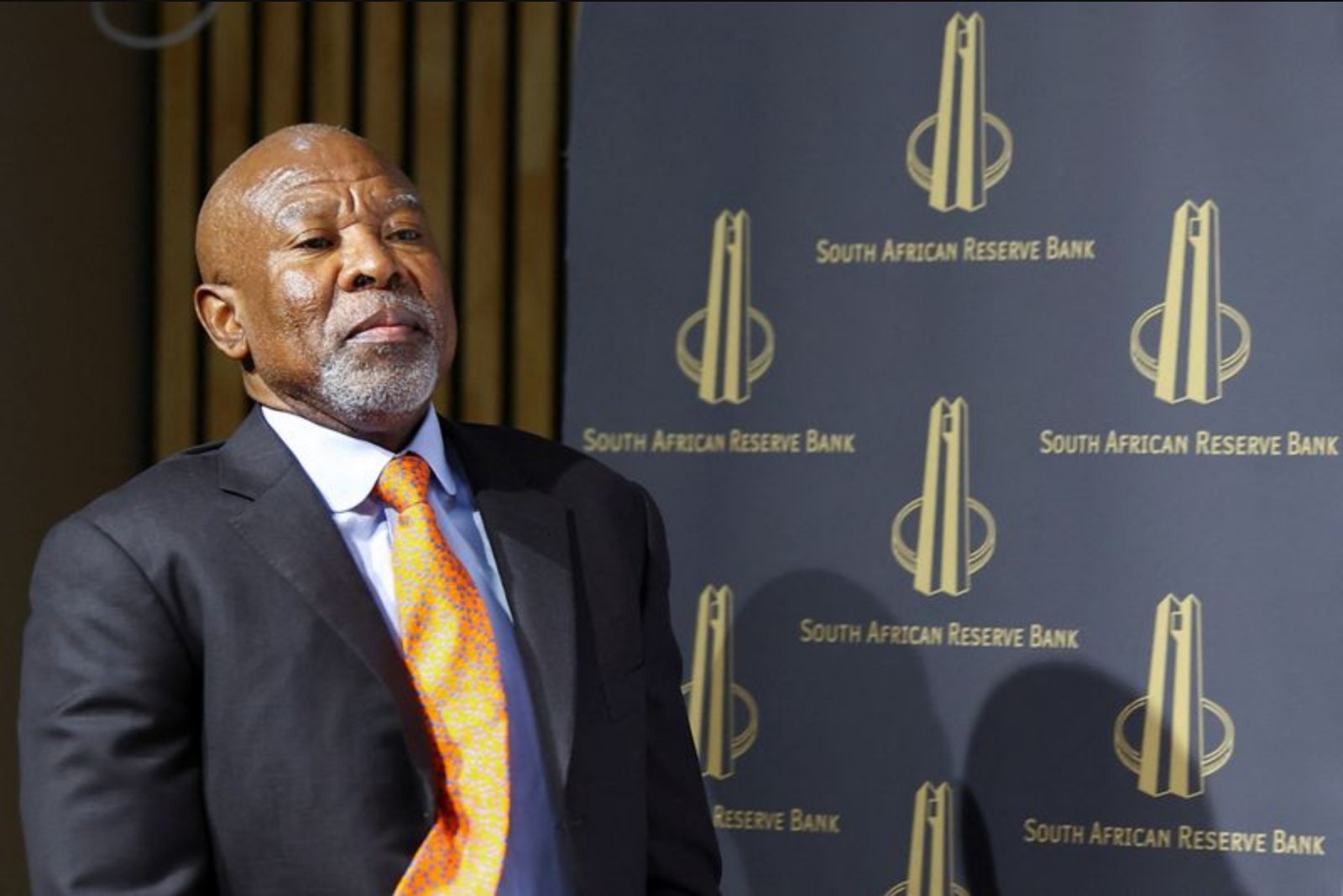
South Africa's central banker Lesetja Kganyago said policymakers should preserve flexibility on monetary policy amid a clouded outlook driven by geopolitical shocks and inflation expectations that remain above the Reserve Bank's target.
Speaking at an investment conference in the North West province, Kganyago noted that inflation has not yet been firmly anchored to the South African Reserve Bank's 3% target, even though the trend has been downward. He added that public debt appeared to be stabilising and that economic growth had been "a bit stronger."
Kganyago pointed to recent data showing headline inflation nudging up to 3.1% in April from 3.0% in March. He said the effects of the U.S.-Israeli war on Iran - which have pushed domestic oil prices higher - were only beginning to feed through to the economy. As a net importer of oil, Africa's largest economy is particularly exposed to swings in global crude prices, and many economists expect inflation to climb above 4% in the coming months.
The governor warned that supply shocks arising from the conflict could lift domestic inflation while also weighing on output. He said restoring inflation to target after such shocks could require timely interest-rate moves, even though tightening policy is not desirable when the economy is already under strain. "It is not desirable to put the economy under more pressure, but we need to keep our options open," he said.
Kganyago stressed that geopolitical risk has become a more significant factor than at any point in his career, with war-driven shocks elevating food and fuel costs. He acknowledged that the policy rate cannot directly change global oil prices, but argued the central bank can influence inflation expectations through clear communication and, if necessary, rate action.
He added that the rand had performed resiliently so far this year despite the Middle East conflict, recovering quickly after an initial drop and generally trading stronger than in 2025. The Monetary Policy Committee has kept the main policy rate unchanged at 6.75% at its two most recent meetings. The South African Reserve Bank is scheduled to meet next on May 28.
Context and implications
- Kganyago emphasised the need for optionality in policy responses if supply shocks push inflation higher and damage output.
- Domestic vulnerability to global oil prices means energy-driven inflation risks could transmit into consumer prices and economic activity.
- Clear communication and potential rate changes were presented as the tools available to anchor expectations should shocks persist.