
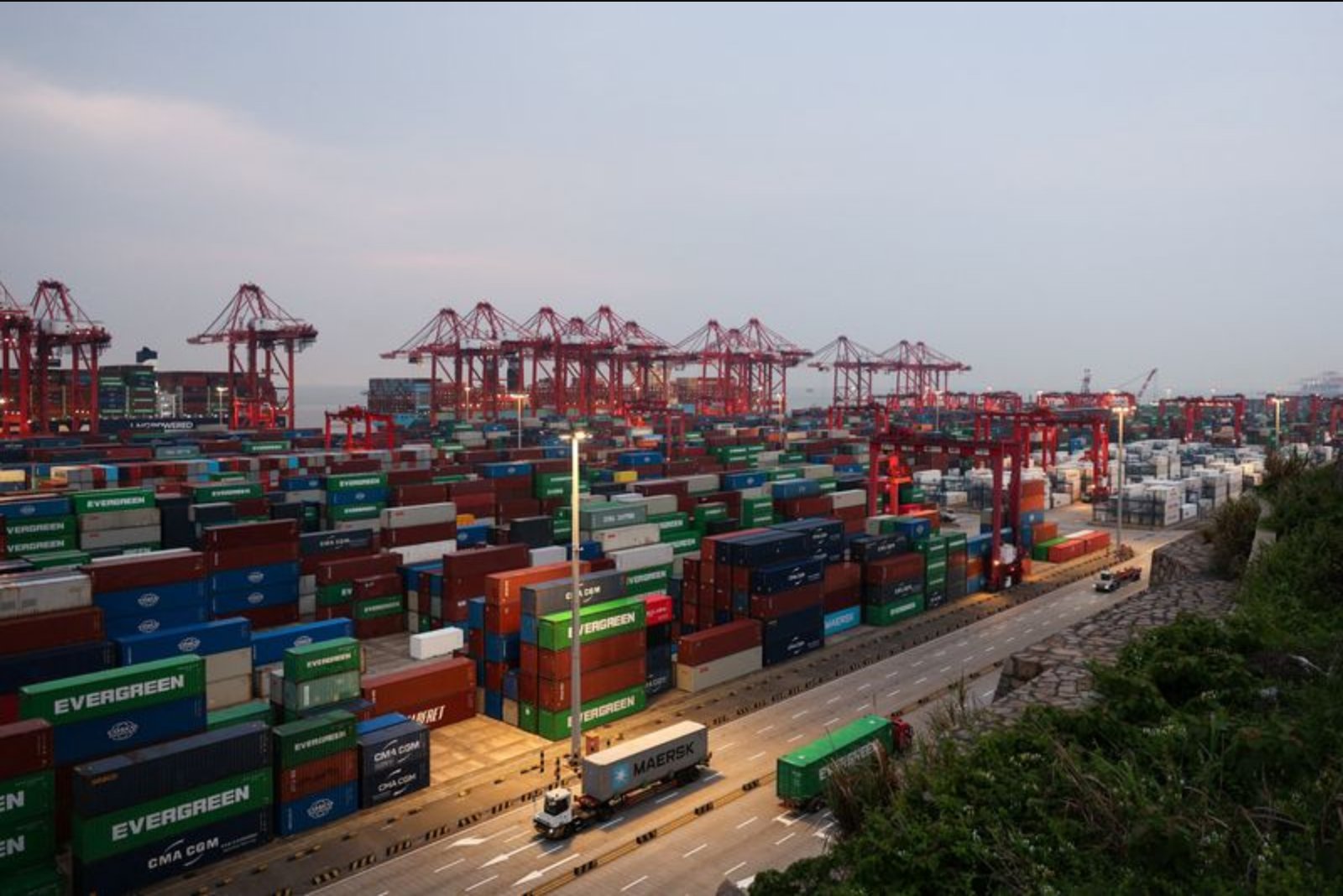
Data scheduled for release this Saturday suggests a strengthening in China's external trade performance. The projected growth reflects a trend where overseas entities are scrambling to stockpile goods, effectively cushioning Chinese exporters from the immediate fallout of Middle East geopolitical tensions. While this stockpiling behavior has provided a temporary boost, it carries underlying economic complexities regarding the sustainability of global demand.
Key Economic Drivers and Market Impacts
- Accelerated Export Volume: The jump to a projected 7.9% year-on-year increase in outbound shipments signals strong immediate demand for Chinese manufactured goods, particularly as companies seek to hedge against potential cost spikes.
- Surging Import Activity: Although the pace of import growth is expected to moderate compared to March's 27.8%, imports are still forecasted to rise by 15.2% year-on-year, indicating continued movement in global supply chains despite a high base from the previous year.
- Regional Trade Indicators: South Korea's exports to China, which serve as a primary indicator for Chinese purchasing trends, saw a substantial 63% increase last month, driven largely by the semiconductor sector.
Impacted Sectors: Manufacturing, Semiconductors, Global Logistics, and Energy-intensive industries.
Risks and Economic Uncertainties
- Erosion of External Demand: Economists have cautioned that a prolonged conflict in the Middle East could lead to rising energy prices, which may eventually diminish the purchasing power of international buyers and cause external demand to fade.
- Domestic Consumption Lag: There is an ongoing concern that sluggish domestic consumption within China may be unable to compensate for any potential drop in foreign demand. This is evidenced by retail sales figures, which have continued to underperform relative to industrial output.
- Rising Input and Transport Costs: Even though China has faced criticism regarding its manufacturing subsidies, the nation is not immune to the economic pressures of rising fuel and transportation costs, which impact buyer purchasing power globally.
Impacted Sectors: Retail, Consumer Goods, Energy, and International Trade Policy.
Broader Macroeconomic Context
The trade outlook arrives amid a complex domestic landscape. China's GDP growth reached 5% year-on-year in the first quarter, meeting the upper limit of the government's annual target and reducing the immediate pressure for new stimulus measures. However, other indicators suggest internal friction; unemployment rates have seen an upward trend, and factory activity data from last month noted that while new export orders hit a two-year high, sub-indices for input prices—specifically for chemicals, coal, petroleum, and refined goods—remained elevated.
On the trade balance front, China's surplus is expected to reach $83.3 billion, a significant increase from the $51.13 billion recorded in March. Looking ahead, diplomatic developments may influence specific sectors; an upcoming meeting between U.S. President Donald Trump and Chinese President Xi Jinping could potentially impact trade regarding airplane parts and agricultural products, though deep strategic tensions, particularly concerning Taiwan, are expected to persist.