
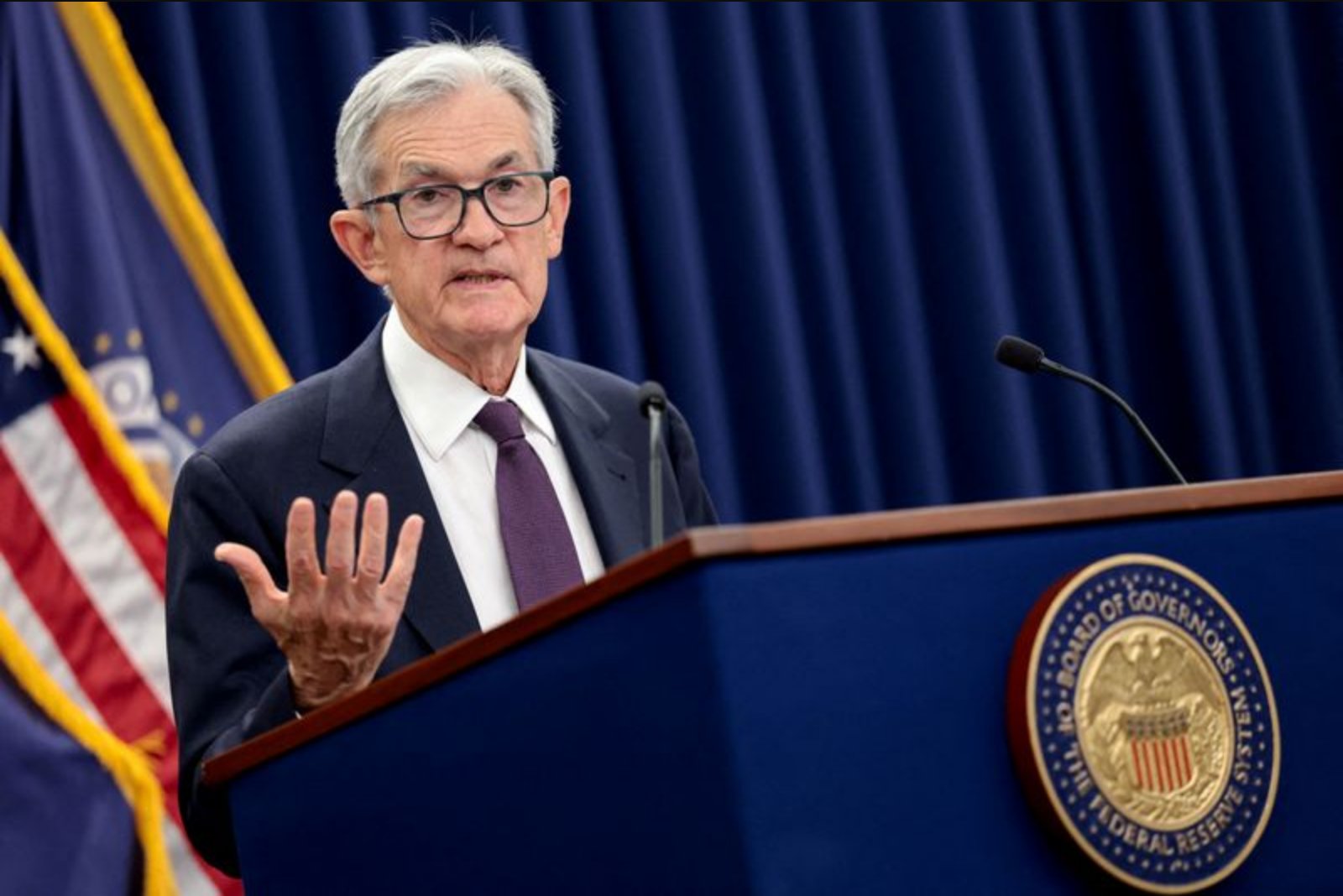
WASHINGTON, March 16 - The Justice Department has filed a request asking U.S. District Judge James Boasberg to reconsider his decision that impeded a criminal investigation involving Federal Reserve Chair Jerome Powell, according to court records made public on Monday.
In a ruling unsealed last Friday, Judge Boasberg blocked subpoenas that federal prosecutors issued in January. Those subpoenas sought documents tied to alleged cost overruns on renovations at the Federal Reserve's headquarters, as well as Powell's testimony to Congress last year about the renovation project.
Boasberg determined that prosecutors had improperly issued the subpoenas. He wrote that a "mountain of evidence" supports Powell's contention that the inquiry was meant to exert pressure on him to quickly reduce interest rates or to prompt his resignation as Fed chair.
In its new filing, the Justice Department urged the judge to reconsider that ruling. Prosecutors working with Jeanine Pirro - the Trump-appointed U.S. Attorney in Washington who is leading the investigation - argued the court "applied an incorrect legal standard" and "erred with respect to certain significant facts," according to the filing.
The motion was filed under seal on Thursday and was made public on Monday following a request from Pirro's office. Pirro said on Friday that she planned to file both a motion for reconsideration and an appeal to a higher court.
Legal stakes and political implications
The investigation touches on questions of central bank independence and overlaps with President Trump's effort to install a Fed chair more aligned with his policy preferences when Powell's term ends in mid-May. Republican Senator Thom Tillis of North Carolina has said he will not vote to confirm any Fed nominee while the investigation remains active.
Powell has publicly defended the Fed's spending on the renovation project as necessary, and he hosted lawmakers and the President for a tour of the ongoing work. In his ruling, Judge Boasberg also observed: "The Government has offered no evidence whatsoever that Powell committed any crime other than displeasing the President."
Next steps
With the Justice Department asking for reconsideration and Pirro indicating plans to both seek reconsideration and appeal, the dispute over the subpoenas is likely to continue through further filings and possibly into higher courts. The outcome will affect not only the immediate investigation but could also shape the environment around any future Fed confirmation process while the inquiry is unresolved.