
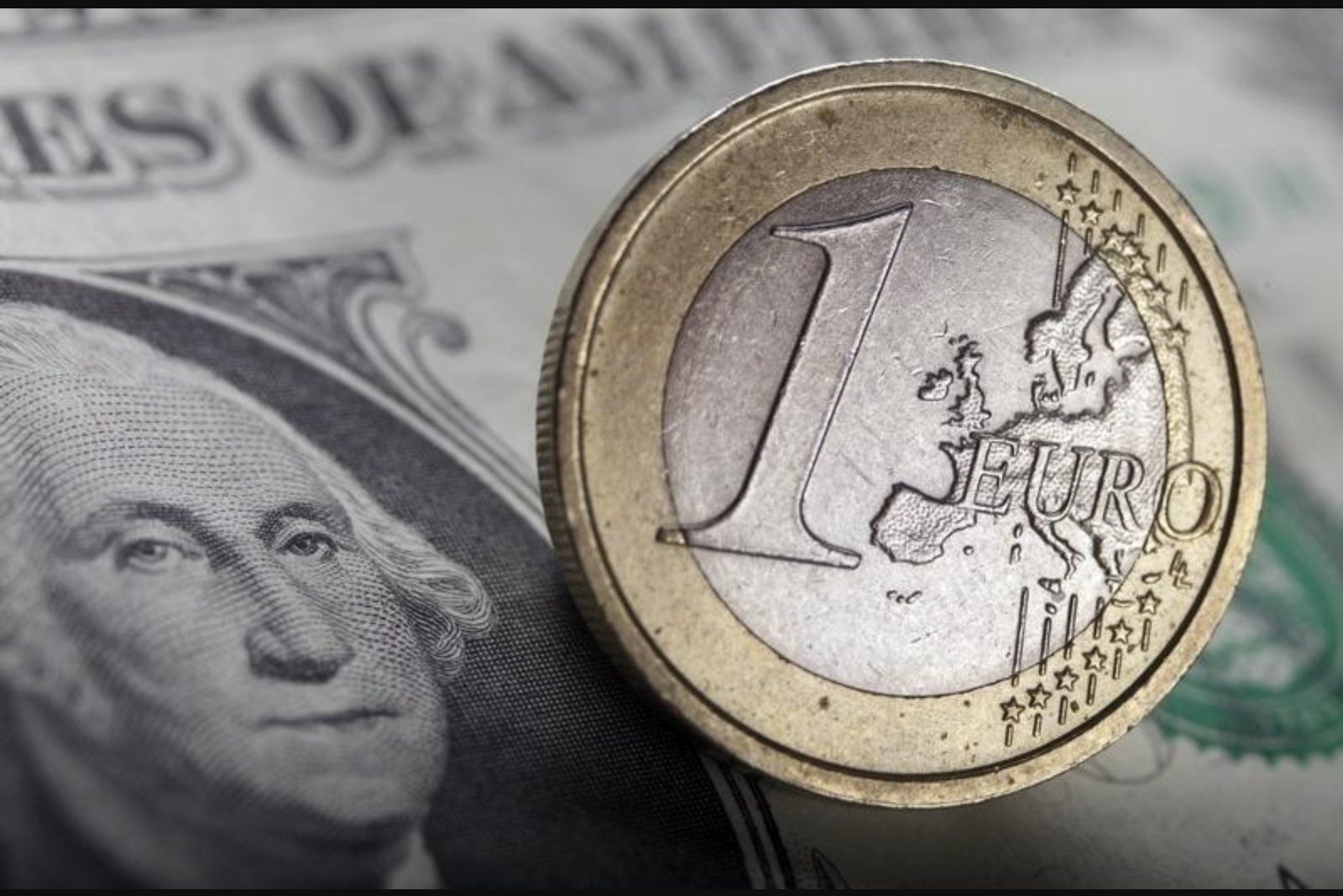
At 04:05 ET (09:05 GMT) on Wednesday, the Dollar Index - which measures the U.S. dollar against a basket of six other currencies - was trading 0.1% lower at 97.245 but remained over 1% stronger compared with the previous week. The greenback has recovered ground after falling to multi-year lows in recent sessions.
Market attention has been drawn to the nomination of Kevin Warsh to head the Federal Reserve. Investors have interpreted the pick as likely to be less dovish than earlier expectations, which provided support to the dollar late last week. Participants are now watching whether the Senate will confirm Warsh and what his leadership could mean for U.S. interest-rate policy when he succeeds Jerome Powell in May.
A short-lived government shutdown had only a limited observable impact on the dollar after lawmakers approved additional funding, but the interruption means the scheduled release of key U.S. employment data on Friday will be delayed. Still, there are several U.S. data points due later in the session, including ADP payrolls and the ISM services report, which market participants are monitoring for direction.
Analysts at ING noted the immediate outlook appears skewed slightly to the upside for the dollar, writing that "positive data could act as a catalyst for a bit more USD recovery amid an already supportive macro backdrop relative to spot levels."
Europe - eurozone inflation the main focus
EUR/USD was trading 0.1% higher at 1.1826 as investors awaited preliminary January consumer-price figures for the eurozone scheduled later in the session. The consensus view reflected in markets is for consumer prices to have moderated to an annual rate of 1.7% last month, comfortably below the European Central Bank's 2% objective.
The ECB is widely expected to leave its policy rate unchanged at 2% for a fifth consecutive meeting. However, a significant downside surprise in the inflation reading could intensify concerns among policymakers, who recently flagged worries about the euro's rapid appreciation against the dollar and its potential to exert further downward pressure on inflation.
Last week the euro reached 1.2084 against the dollar, marking a 4-1/2-year high. ING commented on current positioning for the pair, noting: "EUR/USD has climbed back to 1.183, meaning it's now trading around 0.8% above its short-term fair value in our calculations. If we are right to think US data should be relatively good today, we can see some pressure to trade back below 1.180 in the next couple of days."
Across other G10 crosses, GBP/USD traded 0.3% higher at 1.3729, with the Bank of England also expected to keep its benchmark rate unchanged at its upcoming policy meeting.
Asia - yen under renewed pressure
In Asia, USD/JPY was trading 0.4% higher at 156.43, approaching its highest level in nearly two weeks. The yen faced renewed weakness after comments from Prime Minister Sanae Takaichi prompted questions about whether Tokyo would step in to support the currency. The market is focused on a snap lower-house election scheduled for February 8; commentary in the market has highlighted that Takaichi's party is expected to perform strongly, potentially increasing her influence in parliament.
Elsewhere, USD/CNY slipped slightly to 6.9372, close to its lowest level since mid-2023. AUD/USD rose 0.3% to 0.7037, maintaining gains after a hawkish Reserve Bank of Australia meeting earlier in the week. The RBA increased rates by 25 basis points and also raised its growth and inflation forecasts for the year.
What traders are watching
- Confirmation of Kevin Warsh as Fed chair and any signals on the Fed's interest-rate stance when he takes over in May.
- U.S. data releases later in the session, including ADP payrolls and ISM services, and the delayed employment report originally due on Friday.
- Eurozone preliminary inflation figures for January and the ECB's assessment of price momentum amid a stronger euro.
Market implications
Movements in the dollar and key currency pairs affect financial markets broadly - from interest-rate sensitive assets to multinational earnings. Central-bank guidance and near-term economic data are likely to be the primary drivers of directional moves in currencies over the coming days.
Key points
- The Dollar Index was at 97.245, down 0.1% on the day but more than 1% higher on the week.
- Kevin Warsh's Fed nomination has supported the dollar amid expectations he will be less dovish; markets await Senate confirmation and his May succession of Jerome Powell.
- Eurozone preliminary January inflation data and U.S. payroll and services figures are the next major catalysts for currency moves.
Risks and uncertainties
- Confirmation risk - whether the Senate confirms Kevin Warsh and any subsequent signals on U.S. rate policy could move the dollar and interest-rate sensitive markets.
- Data risk - the delayed U.S. employment report and upcoming ADP/ISM prints, plus the eurozone inflation reading, could produce surprises that alter currency trends and affect central-bank expectations.
- Political risk in Japan - comments from Prime Minister Sanae Takaichi and the snap lower-house election on February 8 may influence the yen and related asset classes.