
Overview
Diplomatic engagements and heavy data calendars collide this week as global markets assess the fall‑out from the prolonged conflict in the Middle East and watch for signs of shifting trade dynamics. U.S. President Donald Trump will be in Beijing on May 14-15 for his first visit to China in eight years, while other senior U.S. officials travel to the region to engage allies. At the same time, Saudi Aramco is due to publish first‑quarter results, and major macroeconomic prints from the United States, Japan and Britain will provide fresh evidence on how higher energy prices and geopolitical risk are filtering through economies and markets.
1 - Trump heads to Beijing
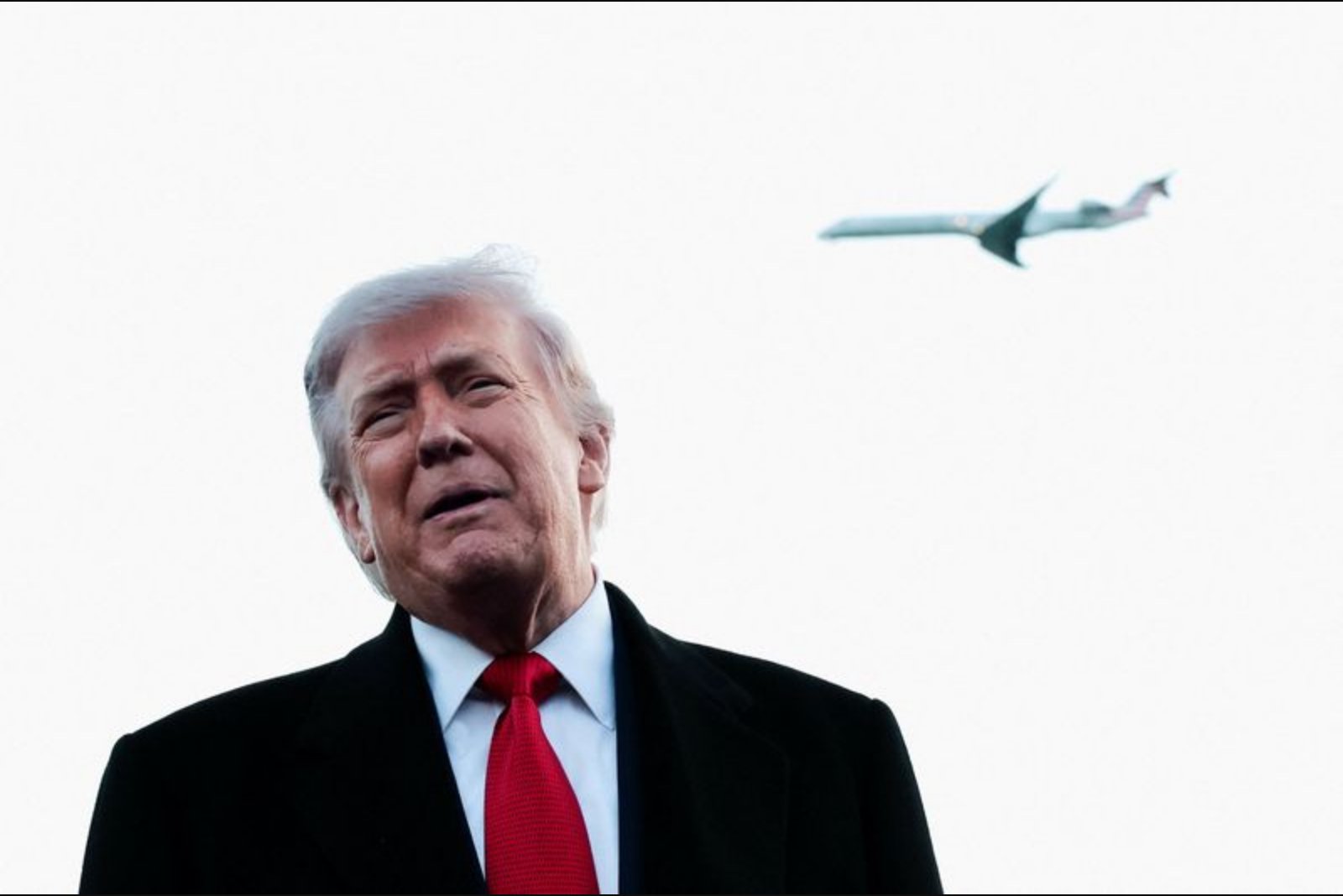
President Trump’s trip to Beijing on May 14-15 will be his first visit to China in eight years. One of the objectives is to cement the trade truce that was agreed in October during talks in South Korea. Officials in Washington will be watching to see if that agreement holds, and whether the visit averts a return to the reciprocal tariff measures that began on "Liberation Day" in April 2025 and sparked a fresh round of trade tensions.
Taiwan is expected to be a potential topic when the President meets Chinese President Xi Jinping. The broader trade picture is uneasy: Chinese exports are expanding strongly, and the trade surplus at the end of 2025 is described as being roughly the size of the Dutch economy. Factory activity in China has also expanded since the Iran war began at the end of February, according to both private and official surveys. Trade figures due over the coming weekend should provide a clearer indication of whether recent protectionist moves from Washington have reduced U.S. demand for Chinese‑made goods.
2 - A brittle energy backdrop
Saudi Aramco will report first‑quarter results on Sunday, with the company delivering its update against a fragile global energy environment. The Iran war, now more than two months old, has all but closed the Strait of Hormuz and led to damage or shutdowns at about 20 oil refineries in the region. That has taken millions of barrels per day of refining capacity offline and helped push oil prices sharply higher.
Progress toward a lasting end to the conflict has been slow. Recent clashes between U.S. and Iranian forces in the Gulf have threatened a month‑old ceasefire and weakened hopes for a diplomatic settlement. Washington is waiting for Tehran’s response to a U.S. outline for a temporary agreement, a proposal that is expected to leave many of the most contentious issues unresolved.
3 - U.S. inflation, producers and consumers in focus
Investors will closely monitor U.S. inflation indicators and consumer spending data for signs of how the spike in energy prices is affecting overall price pressures and demand. A Reuters poll forecasts the U.S. April consumer price index to rise 0.6% month‑on‑month, following March’s 0.9% gain, the largest monthly increase in almost four years. Higher pump prices are expected to play a prominent role in the April reading.
Producer price index data for April will arrive on Wednesday and will act as another gauge of underlying inflation trends after the Federal Reserve’s recent meeting suggested growing unease among some policymakers about price pressures. Retail sales figures on Thursday will then show whether households are scaling back spending as gas and other costs remain elevated.
4 - Japan and broader Asian signals
Japan’s economic indicators and corporate earnings will provide a check on the export‑oriented economy as the Iran war continues to affect energy markets. Current account numbers are due on Wednesday, and the earnings reports from Japan’s largest banks over the week will help investors assess the health of the financial sector.
The Bank of Japan will publish the summary of its April meeting on Tuesday, following a meeting that produced three dissenting voices. The summary will give the market greater visibility into how divided the policy discussion has become. Bond investors will also be watching sales of 10‑year and 30‑year Japanese government bonds, seen as a test of demand for long‑dated paper after suspected official interventions in Tokyo aimed at supporting the yen in recent weeks.
U.S. Treasury Secretary Scott Bessent will visit Japan on Monday, holding meetings with the prime minister, the central bank governor and the finance minister before traveling on to China, underscoring the diplomatic thread running through this week’s financial calendar.
5 - Growth risks in Britain and the euro area
Markets will parse Britain’s March growth figures on Thursday as the first official read on the initial economic impact from the Iran war, alongside the first‑quarter numbers that are released at the same time. Those quarterly figures may look stronger than the underlying trend given an outsized February outcome, but Britain is regarded as particularly vulnerable. The IMF cut its growth forecast for Britain this year to 0.8% from 1.3%, the largest downgrade among major economies, reflecting the drag from higher energy costs and rising borrowing expenses.
The economic backdrop comes at a politically awkward moment in Britain: recent local elections have reduced support for Prime Minister Keir Starmer’s Labour Party and raised questions about his leadership. Investors will also watch the euro zone’s second estimate of first‑quarter growth due on Wednesday, which initially came in at a meagre 0.1%.
What to watch this week
- May 14-15 - U.S. presidential visit to Beijing and high‑level diplomatic meetings involving U.S. officials in Japan and China.
- Sunday - Saudi Aramco publishes first‑quarter results amid disrupted Middle East energy flows.
- Tuesday - U.S. CPI for April; Bank of Japan April meeting summary; Japanese bond sales.
- Wednesday - U.S. producer prices; Japan current account; euro zone Q1 second estimate.
- Thursday - U.S. retail sales; Britain’s March growth and first‑quarter GDP figures.
Traders and policymakers will be seeking clarity on several fronts: whether diplomatic efforts can contain trade and geopolitical spillovers; how sustained the inflationary pressure from energy prices will be; and whether growth data will show further strain in economies already coping with higher borrowing costs. The combination of high‑profile diplomacy, corporate reporting and dense macro data makes this a pivotal week for assessing near‑term market trajectories.
Compiled from reporting that tracks diplomatic movements, corporate schedules and key macroeconomic releases for the coming week.