
Currencies May 8, 2026 10:43 AM

BoE Chief Warns of International 'Wrestle' Over Stablecoin Rules

Andrew Bailey flags convertibility and cross-border risks as stablecoins gain prominence in U.S. policy discussions

By Caleb Monroe

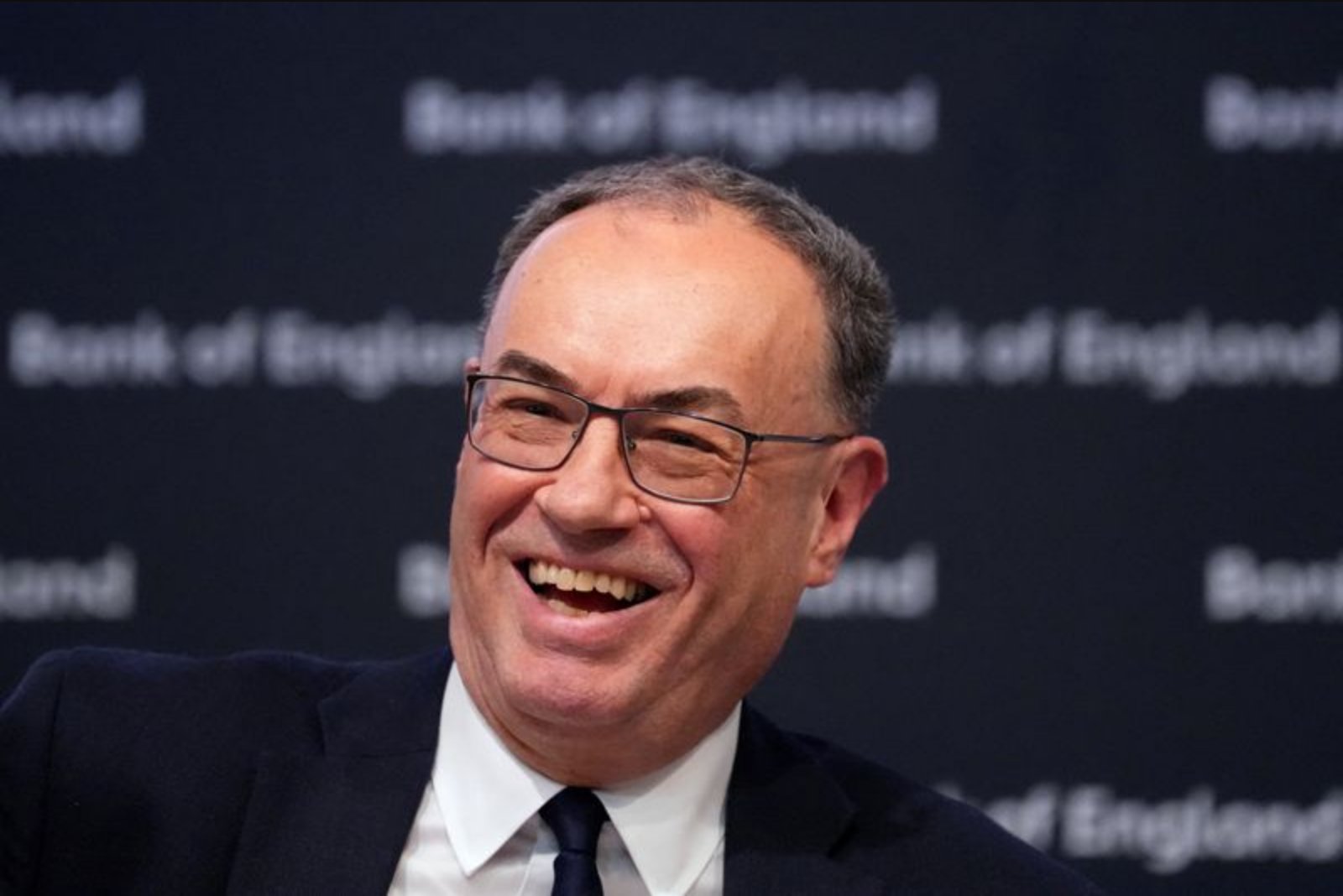
Bank of England Governor Andrew Bailey cautioned that international regulators and the United States may clash over how stablecoins should be regulated, citing concerns about convertibility in a crisis and the potential for flows toward jurisdictions with stronger convertibility obligations. Bailey, who leads the Financial Stability Board, emphasized the need for consistent international standards if stablecoins are to become part of the global payments architecture.

BoE Chief Warns of International 'Wrestle' Over Stablecoin Rules

Key Points

  • Andrew Bailey expects a clash between U.S. authorities and international regulators over stablecoin regulation, arguing international standards are necessary for global payments.
  • Stablecoins are typically pegged to major currencies like the U.S. dollar and are being promoted in the United States, often backed by U.S. Treasury bills.
  • Bailey is concerned about convertibility in a crisis and the risk of cross-border flows toward jurisdictions with stronger convertibility obligations, such as Britain.

Bank of England Governor Andrew Bailey said he anticipates a contentious debate between U.S. authorities and international regulators over the regulation of stablecoins, a form of cryptocurrency he regards as posing potential risks to financial stability.

Stablecoins generally maintain a fixed peg to the U.S. dollar or another major currency and are promoted as an alternative mechanism for domestic and cross-border payments outside the traditional banking system. Bailey noted that the current U.S. administration under President Donald Trump has been supportive of stablecoins, which are frequently backed by U.S. Treasury bills.

Bailey, who also chairs the Financial Stability Board - the international body tasked with coordinating regulatory responses - reiterated his long-standing scepticism toward cryptocurrencies and highlighted the challenges stablecoins present for regulators trying to ensure stability in payments.

"If we want stablecoins to be part of the architecture of payments globally ... they’re only going to work if we have international standards. Frankly, that, I think, is going to be a coming wrestle with the (U.S.) administration," Bailey said during remarks at a Bank of England-hosted conference on financial imbalances.

He expressed particular concern that some U.S. stablecoins might not be readily convertible into dollars without routing through a cryptocurrency exchange, a limitation that could become acute in times of market stress. Bailey warned that such convertibility constraints could restrict access to dollars during a crisis.

Bailey also outlined a potential cross-border transmission mechanism for instability: if stablecoins gained wide use in cross-border payments, holdings of U.S.-linked stablecoins that are hard to convert could migrate toward jurisdictions that impose more robust obligations ensuring convertibility, including Britain.

"We know what would happen if there was a run on a stablecoin - they’d all turn up here," he said, underlining the risk that flows could concentrate in jurisdictions with stronger convertibility frameworks during episodes of stress.

Bailey's comments underscore the tension between domestic policy approaches that may favour certain stablecoin structures and the international regulatory coordination he says is necessary to make those instruments safe for global payments.

Risks

  • Limited convertibility of some U.S. stablecoins if they require crypto exchanges to convert to dollars - this could pose liquidity risks for holders and affect the payments sector.
  • If stablecoins become widely used for cross-border payments, hard-to-convert U.S.-linked stablecoins could shift into jurisdictions with stricter convertibility rules, potentially concentrating risk in those financial systems.
  • A run on a stablecoin could prompt rapid flows toward jurisdictions seen as having more robust convertibility obligations, creating stress in banking and payments networks in those countries.

More from Currencies

Pound Weakens as Political Strain on Starmer Adds to Pre-CPI Jitters May 12, 2026 Asia FX Weakens as Middle East Tensions Keep Oil Elevated; Indian Rupee Falls to Record May 12, 2026 Options Traders Pare Back Expectations for New Zealand Dollar Weakness May 11, 2026 Pound Softens as Middle East Stalemate and US CPI Loom Weigh on Markets May 11, 2026 Bank of America: Trump-Xi Beijing Summit Historically Linked to Modest Yuan Gains May 11, 2026